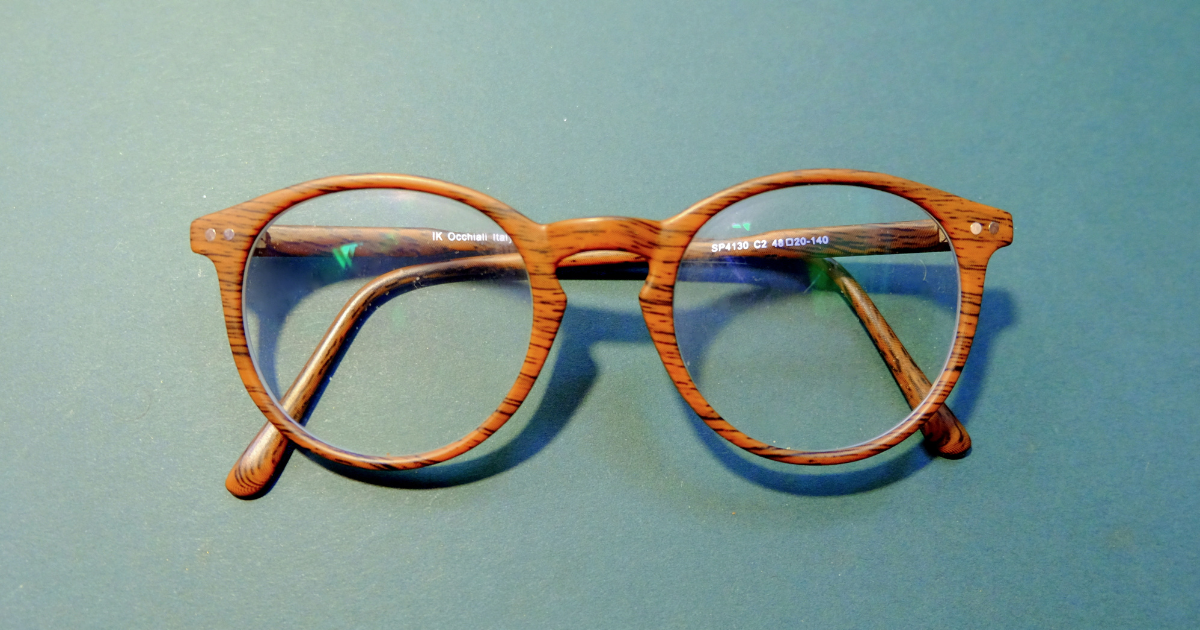
Your Eye Exam Is a Data Point, Not a Pass-or-Fail Test
Your Eye Exam Is a Data Point, Not a Pass-or-Fail Test Regular comprehensive eye exams become more informative when each visit contributes to a continuous…

Regular comprehensive eye exams become more informative when each visit contributes to a continuous record of how vision, eye health, symptoms, and personal risk factors change over time.
People naturally want a simple result: good eyes, healthy eyes, or a new prescription. Eye care is rarely that binary. A measurement may be normal today but still deserve comparison with previous values. A prescription change may explain blur without accounting for every symptom. One test may raise a question that another test helps clarify.
Learning how an eye record develops can help patients ask better questions, preserve useful information, and understand why the recommended timing of future care differs from one person to another.
A baseline is a set of findings recorded before a known change occurs. It may include visual acuity, refraction, eye pressure, peripheral vision, pupil responses, eye coordination, and observations of the retina and optic nerve. Not every person needs every specialized test, and the eye doctor selects testing according to history, symptoms, age, and initial findings.
The value of a baseline appears later. If a prescription shifts, an image looks different, or a visual-field result changes, the clinician has something specific for comparison. The question becomes more useful than “Is this normal?” It becomes “Is this stable for me?”
The National Eye Institute’s overview of dilated eye exams explains that an evaluation may include visual acuity, visual field, eye muscle function, pupil response, tonometry, and dilation. Dilation widens the pupil so the clinician can examine internal structures more fully.
Patients often remember a single result, such as “20/20” vision or an eye-pressure number. These measurements are useful, but neither describes the entire visual system.
An eye-chart result indicates how clearly someone identifies detail at a tested distance. It does not fully describe peripheral awareness, focusing endurance, eye teaming, contrast, night-driving comfort, or retinal health. A person can read a small line and still have symptoms that deserve discussion.
The National Eye Institute’s statement on glaucoma detection notes that pressure measurement alone is not sufficient for an accurate diagnosis. Some people with glaucoma do not have elevated pressure, while some people with elevated pressure do not have glaucomatous damage.
Clinical interpretation may combine pressure with optic-nerve appearance, visual-field findings, risk factors, and other measurements. Repeated results can help determine whether an apparent difference reflects a meaningful trend, ordinary variation, or a need for further evaluation.
Machines can measure the eyes, but they cannot independently explain what has changed in daily life. A useful history connects test results to symptoms, health conditions, medications, family patterns, and visual demands.
Before a visit, prepare a concise record that includes:
Describe patterns rather than using “blurry” alone. Is the change constant or intermittent? Does it affect one eye or both? Is it worse at a certain distance, time of day, or stage of contact-lens wear? Does blinking temporarily improve it? These details can guide the examination without requiring the patient to identify the cause.
An eye record should not exist separately from the rest of a person’s health information. Diabetes is a clear example because retinal changes may develop before a person notices altered vision.
The Centers for Disease Control and Prevention recommends yearly comprehensive vision examinations, including dilated exams, for people with diabetes. It also encourages coordination among eye-care and general healthcare professionals.
Bring updated information rather than assuming records have transferred automatically. If an eye doctor recommends communication with a primary-care clinician or specialist, ask what finding prompted the recommendation and what information should be shared.
Continuity is easier when patients retain essential documents. Useful items may include prescriptions, referral letters, summaries of important findings, imaging reports, medication changes, and dates of procedures.
The U.S. Department of Health and Human Services explains that, with limited exceptions, individuals have the right to inspect and receive copies of medical and billing records held by providers and health plans covered by HIPAA. Patients may also request correction of information they believe is inaccurate or incomplete.
Federal consumer rules address corrective-lens information as well. The Federal Trade Commission’s Eyeglass Rule requires prescribers to provide a copy of an eyeglass prescription after a refractive examination without an extra charge.
Receiving a prescription does not mean every examination finding appears on that page. A glasses prescription records the lens correction, while the medical record contains broader information about the evaluation.
Technical language becomes useful when it leads to a clear next step. Before leaving, make sure you can explain the plan in your own words.
Helpful questions include:
The American Optometric Association’s adult examination guideline provides a detailed view of how history, testing, assessment, education, and follow-up fit into comprehensive care.
A record is valuable, but urgent symptoms require action rather than comparison at the next routine visit. Sudden vision loss, significant eye trauma, chemical exposure, severe pain, or a rapidly developing shadow in the field of vision may require immediate evaluation.
The National Eye Institute’s retinal-detachment guidance identifies a sudden increase in floaters, flashes of light, and a curtain-like shadow as warning signs. Retinal detachment is a medical emergency, and prompt treatment can help protect vision.
When contacting an eye-care office, lead with the symptom rather than a request for a routine exam. State when it began, whether one or both eyes are affected, whether vision changed, and whether an injury or contact-lens use is involved.
Theia Vision Care in Hartland, Wisconsin, states that up to 60 minutes are reserved for a patient and the doctor during its comprehensive examination service.
The practice’s published process includes entry-level testing, visual-field testing, visual acuity, and dilation, with a no-air-puff approach to pressure assessment. It also offers contact-lens evaluation when someone already wears lenses or wants to begin, using additional measurements to consider fit, comfort, and vision.
Theia operates through a direct-care model rather than accepting vision insurance and lists both a-la-carte payment and an annual Concierge Care option. Patients should review current inclusions, fees, and reimbursement questions directly with the practice before selecting a payment approach.
An eye examination is most valuable when it produces continuity, not merely a snapshot. Preserve key records, update health information, describe symptoms precisely, and ask which findings changed or require monitoring.
Over time, that habit creates a clearer story of your vision and eye health. It also makes it easier to transfer care, coordinate with other professionals, understand recommendations, and recognize when a new symptom does not fit the established pattern.