Designer Frames in Pasadena, TX: A Practical Eyewear Guide
Designer frames in Pasadena, TX give patients an opportunity to combine clear vision, everyday comfort, and personal style in one essential accessory. A frame may…

Designer frames in Pasadena, TX give patients an opportunity to combine clear vision, everyday comfort, and personal style in one essential accessory. A frame may look impressive on display, but the best pair must also support the prescription, fit the wearer’s facial measurements, and remain comfortable throughout the day.
Selecting eyewear is therefore both a style decision and a practical investment. Frame shape, material, construction, lens design, and professional adjustments all affect how well a pair of glasses performs after it leaves the optical boutique.
It is tempting to begin by choosing a color or brand, but prescription requirements can influence which frames are most suitable. Some prescriptions work well with almost any design, while stronger or more complex prescriptions may benefit from particular frame dimensions.
The American Academy of Ophthalmology explains in its guide to choosing glasses for vision correction that eyeglasses use lenses to redirect light so it focuses properly on the retina. The exact lens design depends on the type of refractive error and the patient’s visual needs.
Prescription considerations may include:
Patients with stronger prescriptions may prefer a smaller or moderately sized frame to help control edge or center thickness. Progressive lens wearers may need enough vertical depth to accommodate distance, intermediate, and near viewing zones.
A beautiful frame that constantly slides down the nose or presses behind the ears will quickly become frustrating. Proper fit helps keep the lenses aligned with the eyes and makes the glasses more comfortable during work, driving, reading, and other daily activities.
An optical professional may assess:
The bridge should distribute weight without pinching or allowing the frame to slide. Temples should follow the sides of the head without creating excessive pressure. The frame should also remain level rather than sitting noticeably higher on one side.
Designer eyewear is available in many materials, each offering different advantages in weight, durability, flexibility, color, and appearance. The American Academy of Ophthalmology’s frame-material overview describes common choices such as metal, plastic, titanium, and other specialized materials.
Acetate frames are popular for their rich colors, patterns, and sculpted shapes. They can create a bold statement or a refined classic look, depending on the design. Plastic frames may also conceal thicker lens edges more effectively than some thin metal styles.
Fit remains important because many acetate frames use a fixed bridge rather than adjustable nose pads. The bridge shape should match the wearer’s nose closely enough to provide stable support.
Metal frames can provide a slim, understated appearance and may include adjustable nose pads. This adjustability can help an optician fine-tune the frame’s height and position.
Different alloys vary in weight, flexibility, corrosion resistance, and sensitivity considerations. Patients with known metal allergies should mention them before selecting a frame.
Titanium is valued for its strength, low weight, and resistance to corrosion. Lightweight frames may be especially appealing to people who wear glasses all day or need larger lenses.
Minimalist construction does not mean the frame is fragile by default. High-quality engineering can produce thin frames that remain durable under normal use, although every pair should still be handled and stored properly.
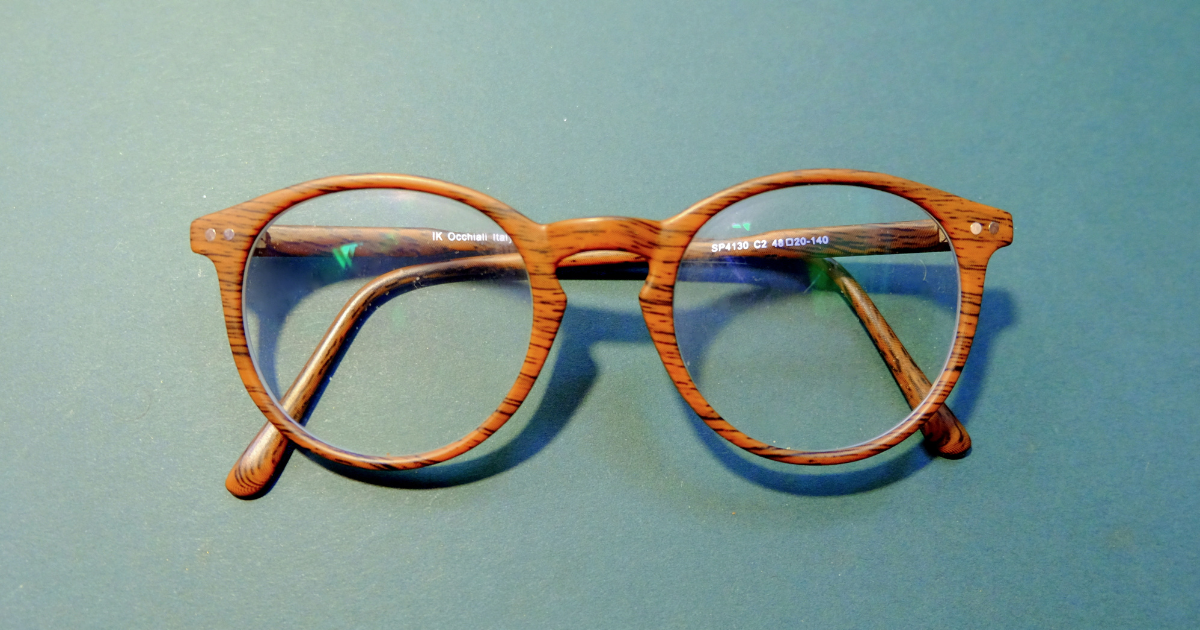
Some luxury eyewear collections use wood, horn-inspired materials, or layered combinations to create distinctive textures and finishes. These frames can provide an artistic, handcrafted appearance.
Specialty materials may require different cleaning or adjustment methods, so owners should follow the manufacturer’s care instructions.
Rules that assign one frame shape to each face shape can be helpful as a starting point, but they should not be treated as strict requirements. Personal style, facial proportions, prescription, brow position, and comfort matter more than following a formula.
Common design approaches include:
The top of the frame often looks most balanced when it follows the general line of the brows without completely covering them. The lower edge should avoid lifting when the wearer smiles or resting heavily on the cheeks.
Neutral shades such as black, tortoiseshell, brown, gold, and silver are versatile and easy to coordinate. Clear, translucent, jewel-toned, and patterned frames can provide more visual personality.
Patients do not need to limit themselves to one “correct” color based on complexion. Someone who wears glasses daily may want a versatile primary pair and a second design that feels more expressive.
When comparing colors, consider:
A designer frame provides the structure and style, but the lenses perform the visual work. Choosing suitable lens material and features can improve clarity, comfort, appearance, and durability.
Possible options include:
Not every upgrade is necessary for every patient. Lens recommendations should reflect prescription, age, occupation, hobbies, driving habits, and budget.
Prescription eyewear must be positioned accurately in front of the eyes. Measurements may include pupillary distance, optical-center height, fitting height for progressive lenses, and the relationship between the frame and face.
Even an accurate prescription can feel uncomfortable when measurements or frame alignment are incorrect. Symptoms may include eye strain, distorted vision, difficulty finding the correct progressive viewing zone, or a feeling that the floor is moving.
Professional dispensing also includes checking the completed eyewear, making final adjustments, and explaining how to adapt to a new prescription or lens design.
Designer eyewear is not one uniform category. Some brands emphasize minimalist engineering, while others focus on luxury detailing, bold shapes, children’s frames, or handcrafted materials.
Pupila’s listed collections include brands such as:
Inventory can vary by location and season, so patients looking for a particular collection should confirm availability before visiting.
A productive eyewear consultation should cover more than whether a frame looks good. Consider asking:
Bringing information about work tasks, screen use, hobbies, and previous eyewear problems can help the optician provide more relevant guidance.
Good maintenance protects both the frame and prescription lenses. Rinse away dust before wiping when possible, use an approved lens cleaner, and dry the lenses with a clean microfiber cloth.
Avoid cleaning glasses with paper towels, household cleaners, or clothing, which may damage coatings or create fine scratches. Store eyewear in a protective case, use both hands when removing it, and avoid leaving glasses inside a hot vehicle.
If the frame becomes loose or uneven, request a professional adjustment rather than bending it at home. Specialty hinges and materials may require particular tools.
Pupila Family Eye & Ear Care provides eye care and optical services through several locations. Its Pasadena office is located at 132 Southmore Avenue, Suite A, Pasadena, Texas 77502.
The practice offers prescription eyewear and access to a curated selection of designer brands for adults and children. Patients can combine an updated prescription with assistance selecting frames and lenses suited to their vision, comfort, lifestyle, and personal style.
The strongest designer-frame purchase is not based on the logo alone. Quality eyewear should support the prescription, sit comfortably, suit the wearer’s routine, and provide a style they will enjoy using every day.
By considering frame dimensions, material, lens compatibility, professional measurements, and long-term care, patients can make a more informed investment. The final pair should do more than look impressive in the mirror—it should provide reliable vision and comfortable performance throughout daily life.