Why Effective Hair Treatments Begin With the Right Diagnosis
Why Effective Hair Treatments Begin With the Right Diagnosis Customized hair treatments are most effective when they address the condition of the hair in front…

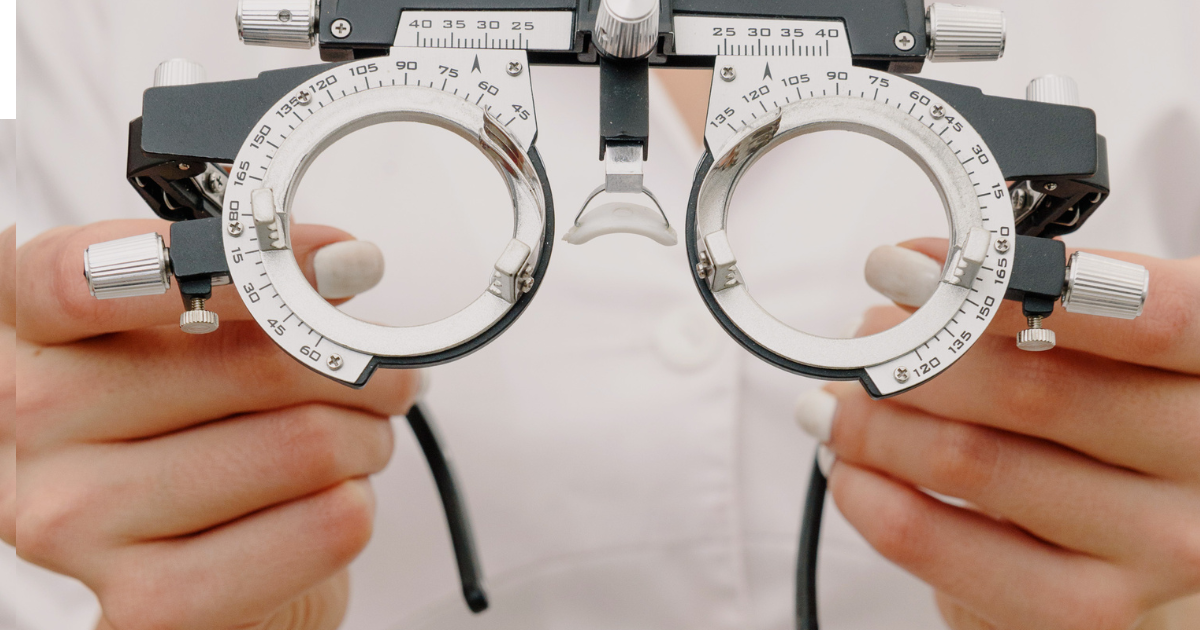
Cataract care in Olympia, WA can help identify changes in the eye’s natural lens, measure their effect on vision, and determine whether monitoring, an updated prescription, or referral for surgery is appropriate.
Cataracts are common, particularly with advancing age, but their effect differs from person to person. One individual may have a cataract for years without significant difficulty, while another may struggle with glare, reading, driving, or recognizing faces.
Understanding how cataracts develop and how eye doctors evaluate them can make the condition feel much more manageable. Regular examinations also help distinguish cataracts from other eye problems that can produce similar symptoms.
The lens is a transparent structure inside the eye that helps focus light onto the retina. A cataract develops when part of that lens becomes cloudy.
The National Eye Institute explains that most cataracts are associated with normal age-related changes. Proteins within the lens can break down and clump together, gradually making a larger portion of the lens cloudy.
Cataracts may occur in one or both eyes, but they do not spread from one eye to the other. They can also develop after an eye injury, previous eye surgery, or exposure to certain medications and medical conditions.
Because progression is often gradual, the brain may adapt to small changes. Some people do not recognize how much their vision has declined until an examination reveals the difference.
Early cataracts may cause no noticeable symptoms. As the cloudiness increases, vision may become less sharp, less colorful, or more difficult under particular lighting conditions.
Possible symptoms include:
These symptoms do not prove that a cataract is present. Glaucoma, macular degeneration, dry eye, retinal disease, and prescription changes can also affect vision. A comprehensive eye examination is necessary to identify the cause.
Standard visual acuity is important, but a letter chart does not represent every real-world situation. Someone may read relatively small letters in a bright examination room while experiencing serious glare from oncoming headlights at night.
Cataracts can interfere with:
This is why eye doctors ask how vision affects daily activities. The decision to recommend surgery is not based solely on the appearance of the lens. The patient’s symptoms, safety, occupation, independence, and personal goals all matter.
Age is the most common risk factor, but it is not the only one. The National Eye Institute identifies several factors associated with a higher likelihood of cataracts, including diabetes, smoking, extensive sun exposure, previous eye injury, family history, and the use of certain steroid medications.
Having a risk factor does not guarantee that someone will develop a visually significant cataract. It does indicate that routine eye care and honest communication about health history are important.
Tell your eye doctor about:
The Centers for Disease Control and Prevention notes that diabetes can increase the risk of several eye conditions, including cataracts. People with diabetes should follow the eye-examination schedule recommended by their healthcare and eye-care providers.
Cataracts are generally evaluated as part of a comprehensive eye examination. The exact testing depends on the patient’s symptoms, history, and previous findings.
An evaluation may include:
A dilated examination is particularly valuable because it allows the doctor to evaluate the cataract while checking the retina, optic nerve, and other structures.
The National Eye Institute’s dilated-eye-exam guidance explains what patients can expect. Dilation may temporarily cause light sensitivity and blurred near vision, so patients should ask whether they need sunglasses or assistance with transportation.
Surgery is the only way to remove a cataract, but a diagnosis does not mean surgery must happen immediately. When symptoms are mild, an eye doctor may recommend monitoring the cataract and making practical changes.
Early management may include:
These measures do not dissolve or reverse the cataract. They can, however, improve visual function while surgery is not yet necessary.
Be cautious of products claiming to eliminate cataracts without surgery. Patients should discuss supplements, eye drops, or alternative treatments with an appropriate healthcare professional rather than relying on unsupported advertising.
Cataract surgery is commonly considered when the clouded lens interferes with important daily activities and updated glasses no longer provide sufficient improvement.
The American Academy of Ophthalmology explains that the procedure removes the eye’s cloudy natural lens and replaces it with an artificial intraocular lens, commonly called an IOL.
Questions that may help determine whether it is time for a surgical consultation include:
The timing is individualized. Patients should discuss expected benefits, risks, lens options, medical history, and recovery instructions with the surgeon.
An optometrist can diagnose and monitor cataracts, evaluate how they affect vision, and refer a patient to an ophthalmic surgeon when surgery becomes appropriate.
The surgeon generally performs additional measurements and examines the eye before recommending a procedure. These measurements help calculate the power of the artificial lens that will replace the cataract.
Patients should bring an updated medication list and disclose previous eye procedures, medical conditions, allergies, and medications that may affect surgery. Ask the surgeon about:
Do not stop prescription medication unless the prescribing clinician or surgical team specifically instructs you to do so.
No lifestyle choice can guarantee that cataracts will be prevented, but several habits support overall eye health.
The National Eye Institute recommends protecting the eyes from sunlight and injury, avoiding smoking, and choosing a balanced diet. Helpful actions include wearing sunglasses that block ultraviolet radiation, adding a brimmed hat during prolonged outdoor activity, and using safety eyewear for hazardous work or sports.
The U.S. Food and Drug Administration warns that ultraviolet exposure can harm the eyes as well as the skin. Sunglasses should therefore be chosen for UV protection rather than darkness alone.
Managing diabetes, attending scheduled examinations, and reporting visual changes promptly are also important. These habits cannot remove an existing cataract, but they can help professionals monitor the broader health of the eyes.
Cataracts usually progress slowly. Sudden vision loss, a curtain-like shadow, new flashes of light, a rapid increase in floaters, severe eye pain, or significant redness should not automatically be blamed on cataracts.
The National Eye Institute identifies sudden flashes, numerous new floaters, and a shadow or curtain over vision as possible warning signs of retinal detachment, which requires immediate evaluation.
Contact an eye-care professional promptly or seek emergency care when sudden or severe symptoms occur. This article provides general education and cannot diagnose an individual eye condition.
Eye Love Olympia, operating as Eye Love Optometry, serves patients in the greater Olympia and Tumwater area. The practice provides comprehensive eye examinations designed to detect cataracts, monitor their development, and evaluate how lens changes affect vision.
Its confirmed cataract services focus on early detection, personalized management, and referral to trusted specialists when surgical treatment is needed. The practice does not present cataract surgery as an in-office service; instead, it supports patients through diagnosis and appropriate referral.
This coordinated approach helps patients understand whether their current symptoms may be managed with prescription or environmental changes, whether continued monitoring is appropriate, and when a surgical consultation should be considered.
A cataract diagnosis does not need to create immediate alarm. Many cataracts develop gradually and can be monitored until they begin interfering with activities that matter to the patient.
The most useful plan begins with a thorough examination and a clear conversation about everyday vision. Ask what the doctor sees, whether the cataract has changed, how often it should be monitored, and which symptoms should lead to an earlier appointment.
With appropriate evaluation, practical adjustments, and timely referral when necessary, patients can make cataract-care decisions based on function, safety, and quality of life rather than uncertainty.