Why Effective Hair Treatments Begin With the Right Diagnosis
Why Effective Hair Treatments Begin With the Right Diagnosis Customized hair treatments are most effective when they address the condition of the hair in front…

Customized hair treatments are most effective when they address the condition of the hair in front of the stylist rather than following a universal conditioning routine.
Two people may describe their hair as “dry,” yet need very different solutions. One may have fine strands weighed down by heavy products. Another may have porous, lightened hair that tangles easily and loses moisture quickly. A third may be dealing with mineral buildup, frequent heat exposure, or breakage caused by tight styling.
Choosing a treatment without identifying the underlying concern is a little like replacing office equipment before determining why a system is underperforming. The product may be excellent, but it will not necessarily solve the relevant problem. A more useful approach starts with observation, questions, and a clear goal.
Every strand consists of several layers. The outer cuticle is made of overlapping cells that help protect the inner structure. When the cuticle lies relatively smooth, hair tends to reflect more light and feel easier to manage. When it becomes worn or irregular, the strand may feel rough, tangle more readily, or lose moisture faster.
A scientific review of hair structure, degradation, and conditioning explains how environmental exposure, grooming, chemical processes, and heat can alter the physical properties of hair. These changes can accumulate because the visible strand does not regenerate in the way living skin does.
Common sources of wear include:
Because the causes vary, the word “damage” is too broad to guide a useful treatment decision by itself. A stylist needs to know what the hair has experienced, how it behaves, and what the guest wants to improve.
Conditioning products cannot permanently return a weathered strand to its original, untouched state. They can, however, improve how the hair looks, feels, and responds to grooming. Depending on the formulation, a treatment may reduce friction, improve softness, make detangling easier, temporarily reinforce vulnerable areas, or help the cuticle surface appear smoother.
That distinction matters. Responsible hair care focuses on manageable improvements and protection from additional wear, not claims that every split end or broken strand can be biologically healed.
Research reviews on hair cosmetics and conditioners describe how conditioning agents can coat or interact with the hair surface to reduce static, improve combability, and create a smoother appearance. These effects can be meaningful, especially when paired with gentler daily habits.
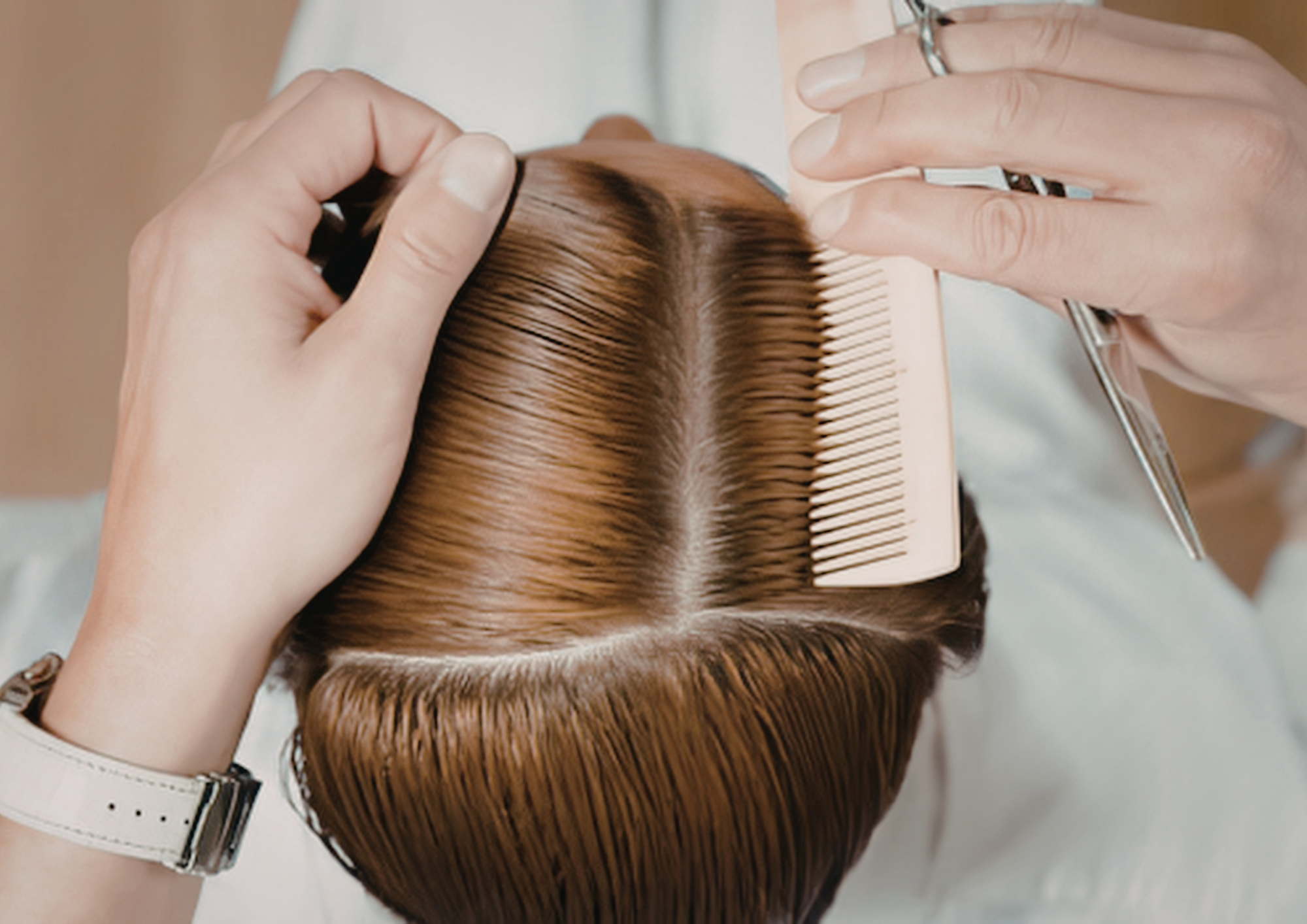
A thoughtful consultation does not need to be lengthy, but it should gather enough information to avoid guesswork. The stylist may visually assess the hair, feel its texture, examine the ends, and ask about chemical and styling history.
A complete history is especially important for color-treated hair. The American Academy of Dermatology notes that coloring, bleaching, and perming can contribute to dryness and brittleness. Knowing when those services were performed helps the stylist select a more appropriate conditioning strategy.
Hair that feels rough, tangles easily, or becomes difficult to style may benefit from a treatment focused on softness and lubrication. This can be particularly helpful for curly, coarse, long, or chemically processed hair, although product weight must still be matched to strand density and texture.
The goal is not simply to add the richest product available. Fine hair may need lightweight conditioning through the mid-lengths and ends, while dense or highly textured hair may tolerate a more concentrated formula.
Breakage may appear as short pieces, frayed ends, uneven density, or strands that snap during detangling. A strengthening treatment may temporarily support vulnerable hair, but technique remains essential. Even well-conditioned hair can break if it is repeatedly pulled, overheated, or brushed aggressively.
The AAD’s guidance on preventing hair damage recommends using conditioner, handling wet hair gently, limiting heated tools, and avoiding excessive tension. Treatments work best when those protective habits continue at home.
Dullness is not always a sign that hair needs a heavy mask. The surface may be roughened by heat or chemical processing, or the strands may have accumulated styling residue. In other cases, the natural texture simply reflects light differently.
A shine-focused service may help smooth the hair’s surface and improve its finished appearance without sacrificing movement. The right choice depends on whether the hair needs conditioning, clarification, color refinement, or a combination of services.
Fine or low-density hair can still need conditioning, but overly rich products may leave it flat. A customized approach concentrates care where it is needed, often through the lengths and ends, while preserving lift near the roots.
This is one reason professional product selection matters. “Dry” does not automatically mean “use the heaviest treatment.” Texture, density, previous processing, and styling preferences all affect the decision.
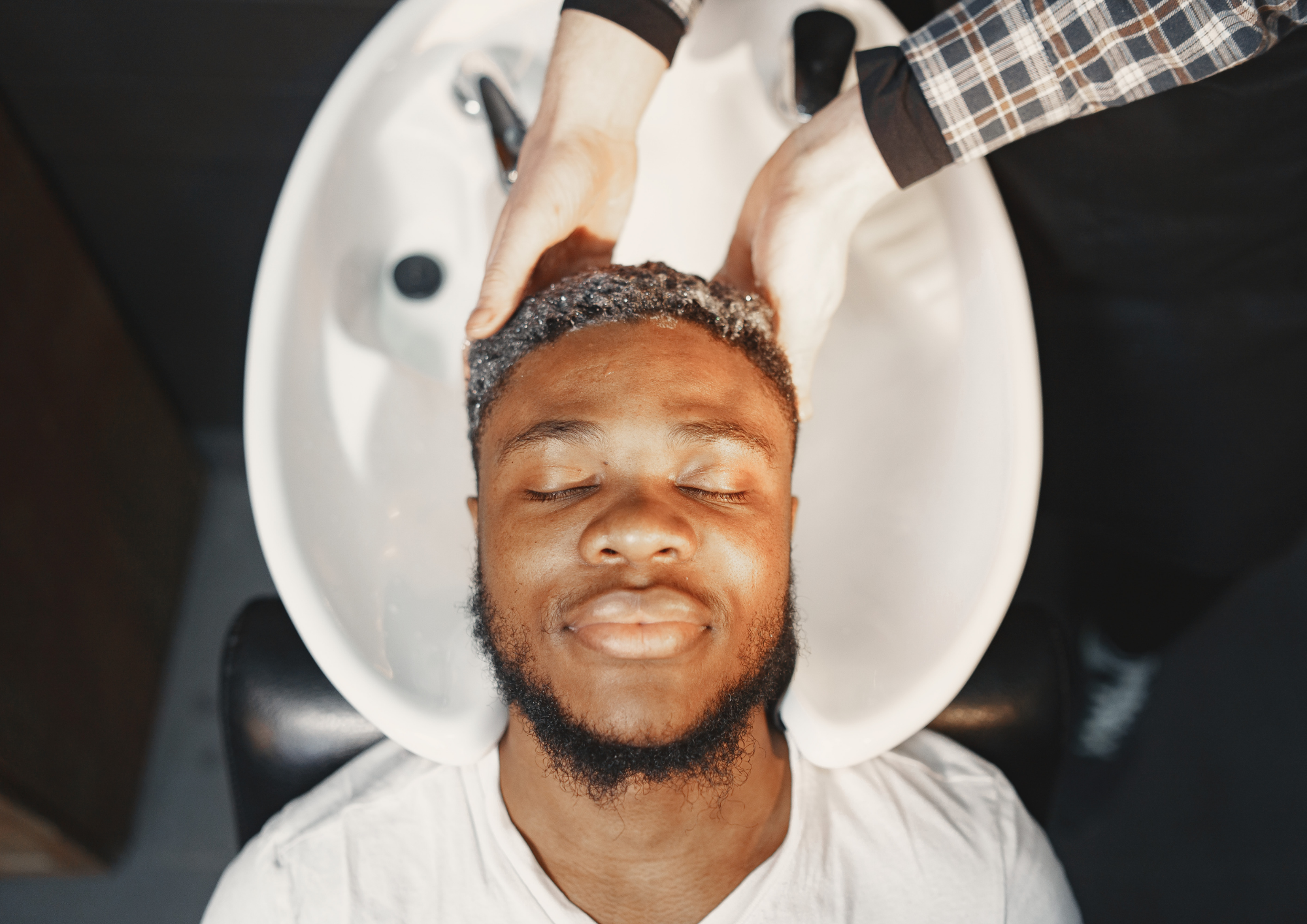
An in-salon service provides concentrated care under a stylist’s supervision. It can also establish a practical baseline by showing how the hair responds to a selected treatment and professional finishing routine.
Home care determines how long those benefits remain noticeable. The American Academy of Dermatology’s healthy hair recommendations include applying shampoo primarily to the scalp, conditioning after washing, detangling carefully, and limiting excessive heat.
A simple maintenance routine may include:
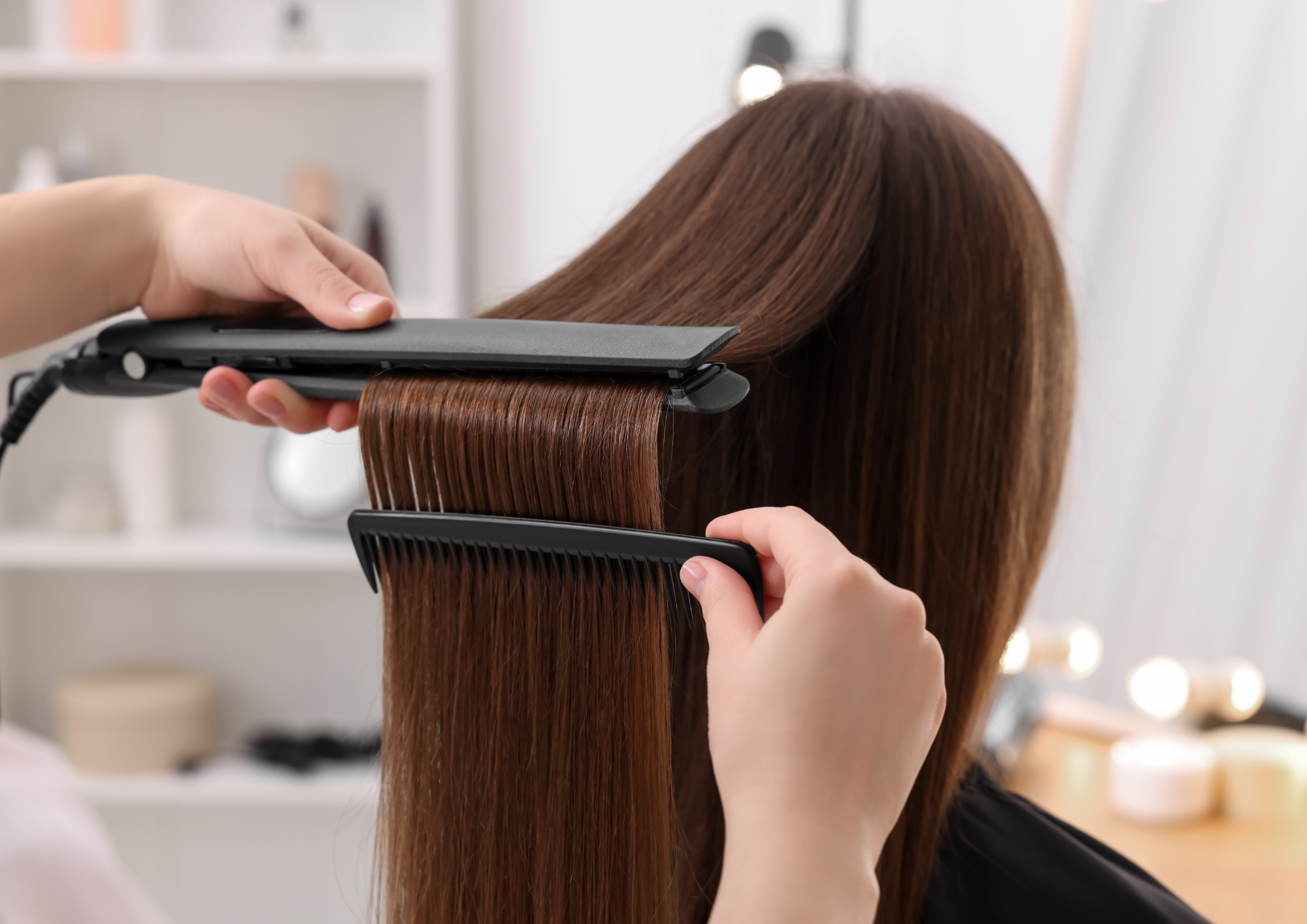
A study indexed by the National Library of Medicine found that certain cosmetic pretreatments can reduce some forms of thermal damage from flat ironing. That does not make unlimited heat safe, but it reinforces the value of combining protective products with controlled temperatures and careful technique.
Tell your stylist about previous reactions, scalp sensitivity, and recent chemical services. Stop a service if you experience unusual burning, breathing difficulty, or significant irritation.
The U.S. Food and Drug Administration advises consumers to follow hair-color directions, complete recommended skin tests, and avoid coloring an irritated or damaged scalp. Sensitivities can develop even after a person has used color successfully in the past.
Conditioning treatments should also be distinguished from chemical smoothing. Some smoothing products may release formaldehyde when heated. The FDA’s guidance on hair-smoothing products recommends reviewing ingredients, asking about ventilation, and discussing the product with a trained salon professional. Guests should always know which category of service they are receiving.
At The Grand Beauty Spa in Tampa, stylists use Kérastase and Shu Uemura treatments to create in-salon rituals based on the condition and goals of each guest’s hair. The conditioning menu includes options focused on shine, heat damage and split ends, and extreme damage or breakage.
Those categories provide a starting point, but the consultation is what makes the service personal. Hair length, texture, processing history, current condition, and desired finish can all influence the treatment selected.
Breakage occurs along the hair shaft, while hair loss generally involves shedding from the scalp or reduced growth. They can sometimes look similar to an untrained eye.
A salon professional can help identify visible grooming concerns, but persistent shedding, bald patches, scalp pain, sores, inflammation, or sudden changes in density should be evaluated by a healthcare professional or dermatologist. A conditioning service is designed to improve the cosmetic condition and manageability of hair, not diagnose or treat a medical disorder.
The value of a hair treatment should be measured against a clear objective. Does the hair detangle with less resistance? Does it feel softer without becoming flat? Is the finished style smoother? Can the guest maintain the result with a realistic home routine?
Effective conditioning is not about applying the greatest number of products. It is about matching the service to the hair, setting honest expectations, and supporting the result with better daily habits. When assessment and maintenance work together, a treatment becomes part of a sensible hair-care plan rather than a temporary cosmetic fix.