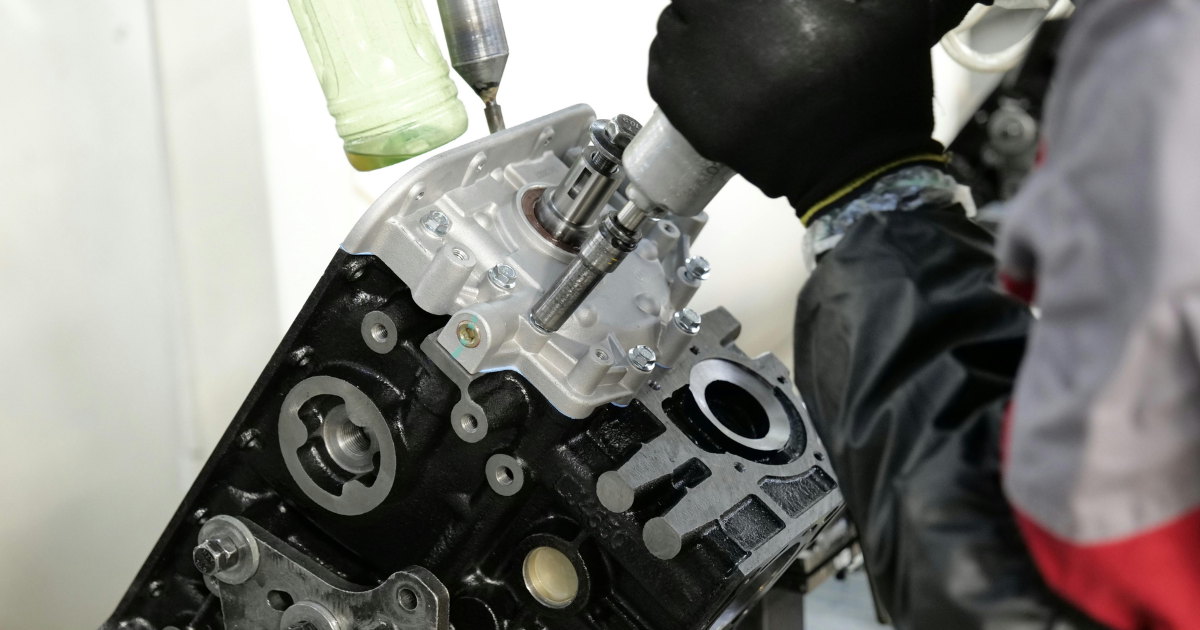
Professional mobile marine diesel repair in Savannah, GA allows qualified technicians to inspect, maintain, and repair engines or generators at a vessel’s location, reducing the logistical burden of transporting the boat to a service facility.
When a diesel engine develops a problem, moving the vessel may be inconvenient, costly, or unsafe. A boat could be secured at a marina, undergoing work in a shipyard, stored on land, or unable to operate under its own power. Mobile service brings appropriate diagnostic equipment, tools, replacement parts, and technical experience directly to the vessel.
On-site service does not mean every problem can or should be repaired dockside. The technician must first determine the likely cause, the work required, and whether the location provides a safe environment for completing it correctly.
Why Mobile Marine Repair Is Valuable
Transporting a vessel involves more than moving it from one address to another. Depending on its size and condition, the process may require towing, hauling, launching, coordinating with marina personnel, or arranging space at a repair yard.
A mobile technician can begin the diagnostic process where the vessel is already located. This may reduce downtime and give the technician an opportunity to observe the engine within its installed environment.
Mobile service can be particularly useful for:
- Engines that will not start or operate reliably
- Routine maintenance at a marina or storage facility
- Generator problems discovered while the vessel is docked
- Cooling, fuel, electrical, or control-system concerns
- Pre-trip inspections and deferred maintenance
- Parts delivery and installation
- Commercial vessels with limited scheduling flexibility
The operational benefit is straightforward: appropriate work can begin without automatically adding the time and cost of relocating the vessel.
Know When to Stop Operating the Engine
Continuing to run a diesel engine after a warning appears can turn a manageable problem into a larger repair. Vessel operators should understand their normal gauge readings, sounds, exhaust appearance, vibration levels, and starting behavior.
Shut the engine down when it is safe to do so if you observe:
- Loss of oil pressure or an oil-pressure alarm
- Rapidly increasing coolant temperature
- Heavy smoke that is unusual for the engine
- A strong fuel, electrical, or burning odor
- Uncontrolled fluid leakage
- Severe vibration, knocking, or grinding
- A sudden and significant loss of power
- Water entering the engine compartment
The correct response depends on the situation and vessel. Emergency conditions involving fire, flooding, grounding, collision, or danger to passengers require immediate safety action rather than an ordinary repair appointment. The U.S. Coast Guard’s Boating Safety Division provides guidance covering equipment, emergency preparedness, navigation, and responsible vessel operation.
Provide Useful Information Before the Technician Arrives
Good communication can shorten the diagnostic process. Instead of reporting only that the engine “does not work,” describe what happened before, during, and after the failure.
Prepare the following information:
- Vessel make, model, length, and current location
- Engine or generator manufacturer and model
- Serial number when available
- Current operating hours
- The exact alarm, code, gauge reading, or symptom
- Whether the engine starts, cranks, stalls, overheats, or loses power
- Recent repairs, maintenance, fueling, or parts replacement
- Photographs or videos of leaks, smoke, displays, or unusual behavior
- Marina access requirements and parking limitations
A description of when the problem occurs is especially helpful. An engine that fails only under load presents a different diagnostic situation from one that will not crank at all.
Do Not Clear Evidence Before the Inspection
Vessel owners naturally want to clean a leak or restart the engine repeatedly. However, changing the conditions can remove useful diagnostic evidence or cause additional damage.
If the situation is safe and contained, leave disconnected hoses, failed parts, alarm histories, and affected areas as the technician found them. Take photographs before cleaning spilled fluid. Do not erase fault codes or disconnect batteries merely to silence an alarm unless required for immediate safety.
A qualified technician will follow a structured process rather than replacing parts based solely on the first visible symptom. This may include reviewing service history, conducting visual inspections, checking fluids, testing electrical supply, reading diagnostic information, and confirming the problem under controlled conditions.
Common Systems Evaluated During Mobile Service
A marine diesel engine depends on several connected systems. Poor performance may originate in the engine itself or in the fuel supply, cooling circuit, electrical system, controls, exhaust, or transmission.
Fuel system
Contaminated fuel, restricted filters, air entering a fuel line, water in the system, or a failed delivery component may contribute to hard starting or loss of power. Because diesel fuel is combustible and environmentally harmful, leaks should be contained and handled carefully.
Cooling system
Marine engines commonly use raw water, coolant, heat exchangers, pumps, hoses, and other components to manage temperature. A damaged impeller, closed seacock, restriction, leak, or low coolant level can lead to overheating.
Never remove a pressurized coolant cap from a hot engine. Allow the system to cool and follow manufacturer instructions.
Electrical and starting system
Battery condition, cables, grounds, switches, relays, starters, charging equipment, and control modules can all affect starting and operation. Visual inspection alone may not reveal excessive resistance or a voltage drop under load.
Exhaust and ventilation
Exhaust leaks require immediate attention because diesel exhaust contains carbon monoxide. The Centers for Disease Control and Prevention warns that carbon monoxide can accumulate around boats and cause sudden illness or death. Install and maintain suitable detectors, recognize symptoms, and move affected people to fresh air immediately.
Marine generator
A generator must produce reliable power while operating safely within a confined marine environment. Service may involve the engine, cooling system, fuel supply, wiring, output controls, or generator components. Electrical work should be completed by appropriately qualified professionals.
Safety Comes Before Convenience
Mobile repair is convenient only when the work area is safe. Before the appointment, obtain any required marina or shipyard authorization and make sure the technician can reach the vessel with tools and parts.
The workspace should provide:
- Stable and unobstructed access to the engine compartment
- Adequate ventilation and lighting
- Control of ignition sources
- Secure shore power and battery isolation when required
- Protection from moving machinery and hot surfaces
- Suitable containment for oil, fuel, and coolant
- Safe weather and dock conditions
Marine technical standards provide an important framework for safe installation and repair. The American Boat & Yacht Council develops voluntary safety standards used by marine technicians, manufacturers, surveyors, and other industry professionals.
Weather conditions also affect on-site work. Vessel owners and technicians can consult National Weather Service marine forecasts when wind, storms, temperature, or coastal conditions could make access unsafe.
Prevent Pollution During Dockside Repairs
Even a small amount of diesel fuel, engine oil, or coolant can spread across the water. Mobile service should include careful handling of fluids, used filters, absorbent materials, and contaminated components.
Keep absorbent pads and spill-control materials available. Plug or cap open lines, use appropriate containers, and never discharge petroleum products into the marina or storm drainage system.
The U.S. Environmental Protection Agency provides information about environmental requirements and pollution concerns involving vessels, marinas, and ports. If a reportable spill occurs, follow applicable federal, state, marina, and local procedures instead of attempting to hide or disperse it.
Understand What May Require Shop Service
Mobile technicians can complete many diagnostic, maintenance, and repair tasks on location, but some jobs require a controlled shop environment or heavier equipment.
Shop service may be more appropriate when the repair involves:
- Extensive engine disassembly or a complete rebuild
- Machining, precision measurement, or specialized bench testing
- Major component removal requiring lifting equipment
- A contaminated workspace that cannot be controlled at the dock
- Unsafe access to the machinery
- Long-duration work restricted by marina rules
A professional recommendation to move equipment to a shop is not a failure of mobile service. It is a decision to complete the repair in an environment suited to the work.
Routine Maintenance Reduces Avoidable Downtime
Mobile service is not limited to breakdowns. Scheduled maintenance can often be completed while the vessel is already docked or stored, allowing owners to address wear before the next trip.
The maintenance plan should follow the engine and generator manufacturers’ schedules. Typical items may include:
- Engine oil and filter replacement
- Fuel-filter inspection and replacement
- Coolant and raw-water system checks
- Belt, hose, and clamp inspection
- Battery and charging-system testing
- Leak inspection
- Control and alarm verification
- Generator exercise and load testing when appropriate
Maintain a written or digital service log showing dates, operating hours, parts used, fluid specifications, and findings. This history helps technicians identify patterns and prevents unnecessary duplication of work.
The National Highway Traffic Safety Administration’s towing guidance also offers practical safety information for owners who transport smaller vessels by trailer. Proper maintenance extends beyond the engine to every system used to move and operate the boat.
Evaluate a Marine Diesel Service Provider Carefully
A mobile technician works with fuel, electrical equipment, cooling systems, machinery, and controls in a demanding environment. Vessel owners should look beyond availability alone.
Ask prospective providers about:
- Experience with marine diesel engines and generators
- Training or recognized marine-industry certifications
- Diagnostic equipment and access to technical information
- Brands commonly serviced
- Insurance and marina access requirements
- Parts sourcing and warranty procedures
- Written estimates, work documentation, and follow-up
Clear documentation is particularly important for commercial operators, future troubleshooting, warranty records, and vessel resale.
Mobile Marine Diesel Service in Savannah
Silverman Marine Diesel has served boat owners and marine professionals since April 2013. Based at 6717 Skidaway Road in Savannah, the company provides mobile on-site service as well as work at its equipped shop near the Port of Savannah.
Its technicians service marine diesel engines and generators, performing routine maintenance, repairs, minor top-end work, complete overhauls, upgrades, and repowering. Mobile assistance is available for vessels at docks, shipyards, storage locations, and other accessible service areas.
The company also supplies marine diesel parts and engines and provides installation support. Its listed industry brands include Volvo Penta, Nanni, Mitsubishi, Glendinning, Twin Disc, ZF Marine, and Phasor Marine.
Silverman Marine Diesel identifies its technicians as certified through the American Boat & Yacht Council and emphasizes factory protocols, appropriate diagnostic equipment, precise workmanship, and accurate problem-solving.
Prepared Owners Get More From Mobile Service
Mobile marine repair is most effective when the owner and technician work from accurate information. Record symptoms, preserve fault codes, provide equipment details, arrange safe access, and explain recent maintenance before the appointment begins.
Just as importantly, recognize the limits of remote troubleshooting. A video or phone description may help prepare the technician, but it cannot replace physical inspection, testing, and professional judgment.
Bringing qualified marine diesel service directly to the vessel can reduce logistical delays and help return equipment to reliable operation. Combined with regular maintenance and careful recordkeeping, it becomes a practical part of managing vessel safety, performance, and long-term operating costs.