Choosing an Optometrist in Los Angeles, CA
Choosing an optometrist in Los Angeles, CA involves more than finding the closest office or the first available appointment; it means identifying a practice that…


Contact lens exams turn a vision prescription into a lens that must focus clearly, sit appropriately on the eye, remain comfortable, and work safely within a person’s daily routine.
That is why ordering contacts involves more than copying the numbers from a pair of glasses. Eyeglass lenses sit in front of the eyes, while contacts rest directly on the cornea. Their power, shape, diameter, material, movement, and replacement schedule all influence performance.
A useful way to understand the process is to view it as quality assurance. The eye doctor gathers requirements, selects a candidate lens, tests it, reviews real-world feedback, and makes adjustments before finalizing the prescription.
“I want to see without glasses” is a reasonable starting point, but it is not a complete set of requirements. Someone who wants contacts for weekend sports may need something different from a person who wears lenses through long office days. Night driving, close work, allergies, travel, air conditioning, and previous lens experience can all change the decision.
Before the exam, it helps to identify:
Honest answers are more useful than idealized ones. If a care routine is too complicated to follow consistently, that fact belongs in the design of the lens plan.
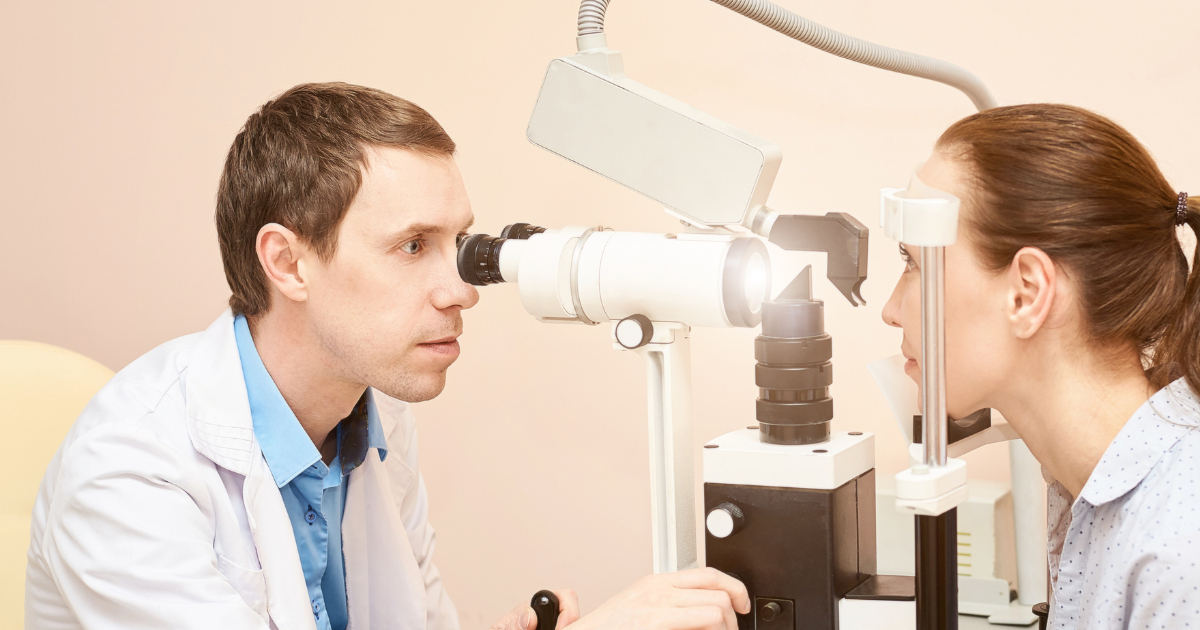
A contact lens evaluation is connected to a broader eye-health examination. The clinician assesses vision and refractive error while also looking for findings that could affect lens wear. The cornea, eyelids, tear film, and exposed surface of the eye all help determine whether a particular lens is reasonable.
The U.S. Food and Drug Administration classifies contact lenses as medical devices and requires a current prescription. The FDA also warns that incorrectly fitted or improperly used lenses can cause infection and other eye injuries.
Measurements may include corneal curvature and other dimensions needed for lens selection. The doctor also considers how the eyelids interact with the lens and whether the eye’s surface appears able to support the proposed wearing pattern.
Lens power may need to be recalculated because contacts sit much closer to the eye than glasses. A contact lens prescription also identifies the specific lens parameters and manufacturer. Two products displaying the same power are not necessarily interchangeable because their geometry, material, and behavior on the eye can differ.
A trial lens is a practical test, not a guaranteed final answer. Once placed on the eye, it needs time to settle. The clinician can then examine whether it centers, covers the cornea, and moves appropriately with blinking. Vision is checked through the lens, and an additional refinement may be performed.
The National Eye Institute’s contact lens overview describes this trial-lens step as part of determining fit and testing vision. It also explains that lens types differ in flexibility, wearing schedule, and replacement frequency.
This stage answers several separate questions:
A lens can succeed in one category and fail in another. Sharp vision does not compensate for an unsuitable fit, and initial comfort does not prove that vision will remain stable through a full day.
Clinical observation occurs under controlled conditions. Daily life introduces screens, heating and cooling systems, pollen, exercise, changing light, and longer wearing periods. A follow-up visit converts those experiences into useful evidence.
Instead of saying only that a lens is “fine” or “uncomfortable,” keep a short record:
Patterns help the doctor decide whether to adjust power, fit, material, wearing time, care products, or the entire lens strategy. A single good morning does not establish all-day success, just as one unusually dry afternoon does not automatically disqualify a lens.
A successful fit still depends on behavior. The care system must match the prescribed lens rather than a habit carried over from another product.
The Centers for Disease Control and Prevention recommends washing and thoroughly drying hands before handling lenses, using fresh disinfecting solution, avoiding “topping off” old solution, and replacing the storage case regularly. The CDC also advises keeping lenses away from water and carrying backup glasses.
Water avoidance deserves special emphasis. Tap water, pools, lakes, and hot tubs are not sterile. The CDC’s guidance on contacts and water explains that water can cause soft lenses to change shape and can expose the eye to organisms capable of causing severe infection.
A basic care checklist includes:
A lens being approved for extended wear does not mean sleeping in it is risk-free. The decision should be made with the prescribing clinician and followed exactly.
A CDC case series published in the Morbidity and Mortality Weekly Report found that sleeping in contact lenses increases the risk of contact-lens-related eye infection by six to eight times. The report describes serious infections that sometimes resulted in surgery or permanent damage.
Occasional napping also counts as sleeping in lenses. If unplanned sleep is common, tell the doctor during the fitting process so the recommendation can reflect actual behavior.
Adaptation should not become an excuse to ignore warning signs. Remove the lenses and contact an eye-care professional if you develop eye pain, marked redness, light sensitivity, sudden blurry vision, unusual watering, or discharge. The American Academy of Ophthalmology explains that contact-lens-related infections can progress quickly and may threaten vision.
Do not reuse the lens to see whether the problem returns, and do not self-treat with leftover prescription drops. The eye-care office can determine how urgently the symptoms need to be evaluated.
The process is complete when the fit has been finalized, not simply when the first trial lens is dispensed. Under the Federal Trade Commission’s Contact Lens Rule, prescribers must provide patients with a copy of the contact lens prescription when the fitting is complete. Sellers must obtain or verify that prescription before supplying lenses.
Having the prescription gives the patient purchasing choice. It does not make unapproved substitutions safe. Order the exact prescribed brand and parameters unless the prescriber evaluates and authorizes a change.
Northpoint Eye Studio in Concord, North Carolina, states that Dr. Joyce Adeleke evaluates eye health, measures for fit, and discusses daily disposable, extended-wear, and specialty lens options. Its published process distinguishes between new and current contact lens wearers.
For new wearers, the practice outlines an eye-health exam and lens evaluation, fitting and handling instruction, a follow-up training visit, prescription completion, and ordering. Current wearers begin with an updated eye-health and contact lens evaluation before the prescription is prepared. The practice serves Concord, Charlotte, Huntersville, Davidson, and surrounding communities.
A contact lens prescription is the output of a tested process. Measurements narrow the options, a trial lens generates evidence, daily use reveals patterns, and follow-up confirms or improves the result. Understanding that cycle helps patients provide better feedback, follow safer routines, and recognize why a successful fit involves much more than lens power alone.