
Designer Frames in Pasadena, TX: A Practical Eyewear Guide
Designer frames in Pasadena, TX give patients an opportunity to combine clear vision, everyday comfort, and personal style in one essential accessory. A frame may…

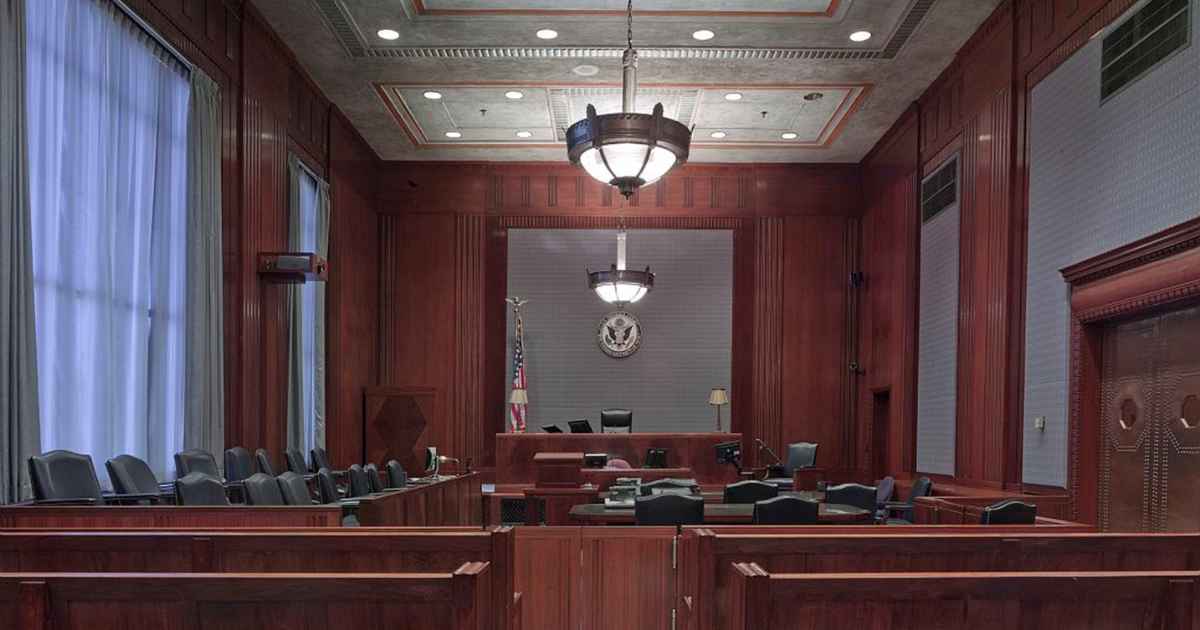
Choosing the Best Personal Injury Lawyer in Savannah GA means working with legal professionals who understand that not every case ends with a trial court’s decision. In some situations, parties may have the right to ask a higher court to review whether legal errors affected the outcome of their case. This process, known as an appeal, is an important safeguard within both the federal and state court systems and helps ensure that legal decisions are applied fairly and consistently.
Appeals differ significantly from traditional trials. Rather than introducing new evidence or calling additional witnesses, appellate courts focus on reviewing the legal issues presented in the original proceedings. Understanding how appeals work can help individuals appreciate the role appellate litigation plays in maintaining confidence in the judicial system.
An appeal is a legal process that asks a higher court to review a lower court’s decision for potential legal errors. It is not a second trial. Instead, appellate judges examine the trial record, written legal briefs, and oral arguments to determine whether the law was interpreted and applied correctly.
According to the United States Courts, appellate courts primarily review questions of law rather than resolving disputes about new facts or evidence.
This structured review process helps promote fairness while encouraging consistent interpretation of legal principles across similar cases.
Not every unfavorable outcome automatically qualifies for an appeal. Appeals generally involve claims that legal mistakes may have affected the result of the case.
Examples may include:
Whether an appeal is appropriate depends on the specific facts, procedural history, and applicable law governing the case.
Although the purpose of appellate review is similar across jurisdictions, federal and state appellate courts operate under different procedural rules and filing requirements. Deadlines, briefing standards, and court procedures vary depending on where the appeal is filed.
Understanding these distinctions is essential because missing filing deadlines or procedural requirements can affect a party’s ability to pursue appellate review.
Individuals seeking additional information can explore federal and state appeals attorney in Savannah GA to better understand how appellate representation supports complex legal matters.
Unlike trial litigation, appellate advocacy relies heavily on legal research and written arguments. Attorneys prepare detailed briefs explaining why the lower court’s decision should be affirmed, reversed, modified, or returned for additional proceedings.
Effective appellate briefs typically include:
Because appellate judges rely extensively on these written submissions, careful legal analysis is an essential component of the appeals process.
Appeals often require extensive examination of prior court decisions, statutes, procedural rules, and constitutional principles. Attorneys compare earlier cases with the facts of the current dispute to demonstrate how existing law should be interpreted.
The Cornell Law School Legal Information Institute provides educational resources that explain many of the legal concepts and authorities frequently referenced during appellate litigation.
One of the most important aspects of appellate practice is complying with strict filing deadlines. The right to appeal is governed by procedural rules that establish when notices of appeal, briefs, and supporting documents must be submitted.
Prompt legal evaluation helps ensure:
Delays can affect available legal options, making timely consultation particularly important.
Appellate litigation requires skills that differ from trial advocacy. Success often depends on legal writing, research, procedural knowledge, and persuasive oral argument rather than witness examination or jury presentation.
Savage Turner Pinckney Savage & Sprouse represents clients in a variety of complex legal matters, including appellate proceedings in both state and federal courts. Careful review of trial records, legal authorities, and procedural requirements allows attorneys to develop strategies tailored to the specific issues presented on appeal.
Beyond resolving individual disputes, appellate decisions often establish legal precedent that guides future cases. Published opinions may influence how courts interpret statutes, constitutional provisions, and procedural rules for years to come.
This broader role contributes to greater consistency throughout the judicial system while helping courts address evolving legal questions.
Understanding the appellate process helps individuals make informed decisions about their legal rights and responsibilities.
Additional educational resources are available through the U.S. Department of Justice, while Appeal provides general background on appellate review. Information about the United States federal courts explains the structure of the federal judiciary, and the American Bar Association offers educational materials covering many areas of legal practice.
The appellate process serves as an essential safeguard within the American legal system by allowing higher courts to review whether legal errors affected the outcome of a case. Through detailed legal research, persuasive written advocacy, and careful procedural compliance, appeals help strengthen fairness, consistency, and public confidence in the administration of justice. For individuals navigating complex legal matters in Savannah, Georgia, understanding the role of appellate litigation is an important step toward making informed legal decisions.