Designer Frames in Pasadena, TX: A Practical Eyewear Guide
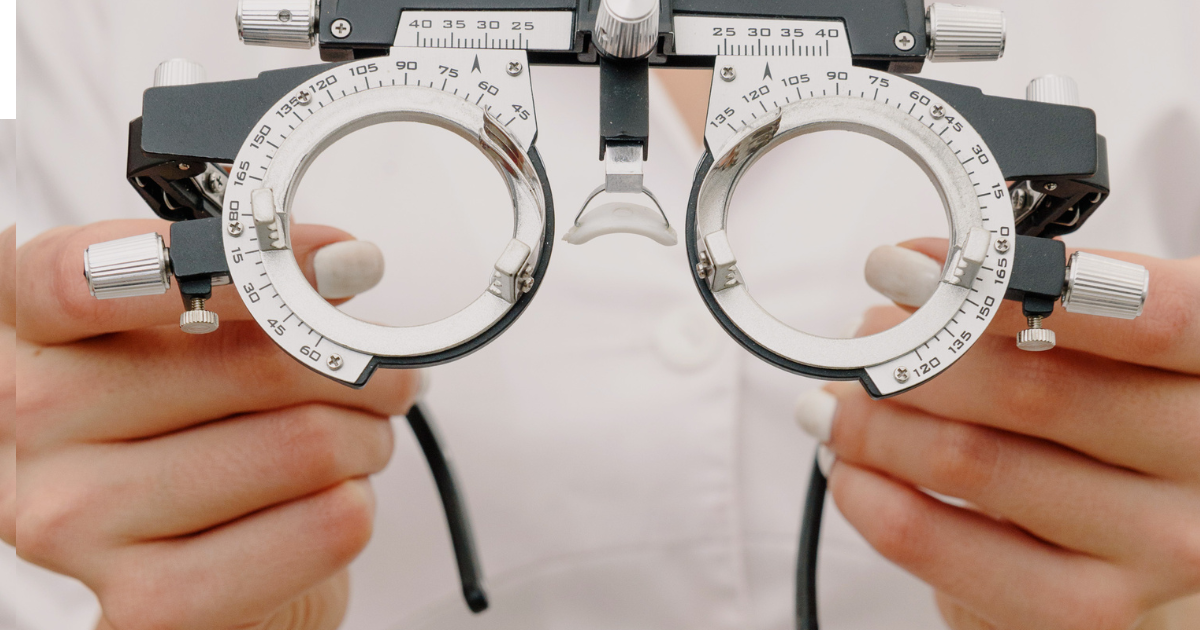
Designer frames in Pasadena, TX give patients an opportunity to combine clear vision, everyday comfort, and personal style in one essential accessory. A frame may…

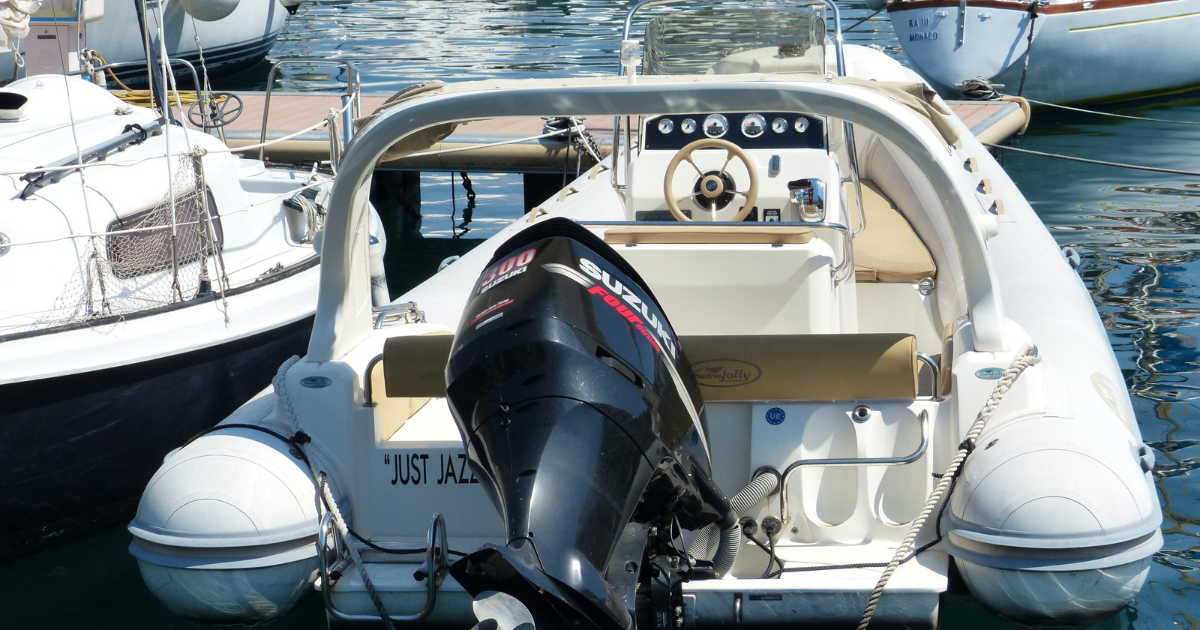
Choosing the best marine diesel service in Savannah, GA is one of the most important decisions boat owners can make to protect engine performance, reduce unexpected downtime, and maximize the lifespan of their vessels.
Marine diesel engines are built for durability, but they operate in some of the harshest environments imaginable. Saltwater, humidity, vibration, heavy workloads, and long operating hours all contribute to gradual wear on engine components. Routine maintenance performed by experienced marine professionals helps identify developing issues before they become expensive repairs while improving reliability on the water.
Unlike automotive engines, marine diesel engines operate under unique environmental conditions. Cooling systems, fuel systems, electrical components, and propulsion equipment must all withstand constant exposure to moisture and corrosion while maintaining dependable performance.
A structured maintenance program helps ensure every major system continues operating efficiently throughout the boating season.
The BoatUS Foundation recommends regular maintenance and vessel inspections as part of responsible boat ownership and safe boating practices.
Preventive maintenance focuses on identifying minor issues before they become major mechanical failures. This proactive approach provides benefits for both recreational and commercial vessel owners.
Rather than reacting to failures, scheduled maintenance helps owners plan repairs at convenient times while reducing operating costs over the long term.
A complete marine diesel inspection typically includes multiple systems working together to keep the vessel operating safely and efficiently.
Routine inspections provide technicians with opportunities to identify wear, corrosion, leaks, or performance concerns before they affect vessel operation.
Modern marine diesel engines often incorporate electronic monitoring systems that provide valuable operating information. Professional diagnostic equipment allows technicians to review engine data, identify fault codes, and evaluate overall system performance.
Electronic diagnostics combined with visual inspections provide a comprehensive assessment of engine condition, making maintenance recommendations more accurate and efficient.
Fuel contamination is one of the most common causes of marine engine problems. Water intrusion, microbial growth, clogged filters, and deteriorating fuel lines can all reduce engine performance.
Routine maintenance often includes:
Maintaining a clean fuel system helps improve combustion efficiency while reducing unnecessary engine stress.
Marine cooling systems operate continuously under demanding conditions. Raw water pumps, impellers, heat exchangers, and hoses should all be inspected regularly to ensure efficient cooling.
The National Marine Manufacturers Association notes that following manufacturer-recommended maintenance schedules helps improve vessel reliability and safety.
Marine diesel engines represent a significant financial investment. Delaying maintenance often results in more extensive repairs that require additional labor, replacement parts, and vessel downtime.
Preventive maintenance can help:
Marine engines require specialized knowledge that extends beyond standard mechanical repair. Technicians who routinely work on marine diesel systems understand vessel configurations, cooling systems, fuel management, and manufacturer maintenance recommendations.
Boat owners looking for dependable support often explore professional marine diesel services for inspections, maintenance, diagnostics, and repair solutions designed specifically for marine applications.
Many vessel owners rely on Silverman Marine Diesel because of its focus on quality workmanship, experienced marine technicians, and comprehensive diesel engine services that help customers keep their vessels operating safely and efficiently.
Preparing a vessel before peak boating season helps reduce the likelihood of unexpected mechanical problems.
A seasonal inspection should include:
Completing these inspections before extended use allows small concerns to be addressed before they become major issues.
Mechanical reliability contributes directly to boating safety. Engine failures can create hazardous situations, especially when operating offshore or navigating busy waterways.
The U.S. Coast Guard Boating Safety Division encourages routine vessel maintenance as part of safe boating practices. Additional educational resources are available through NOAA for marine weather information and the U.S. Environmental Protection Agency for environmentally responsible boating guidance.
Consistent preventive maintenance remains one of the most effective ways to maximize the performance and longevity of a marine diesel engine. Regular inspections, professional diagnostics, and timely repairs help reduce costly downtime while improving safety and operational confidence. Partnering with experienced marine diesel professionals ensures your vessel is prepared for every journey, whether you're operating commercially or enjoying time on the water.