Designer Frames in Pasadena, TX: A Practical Eyewear Guide
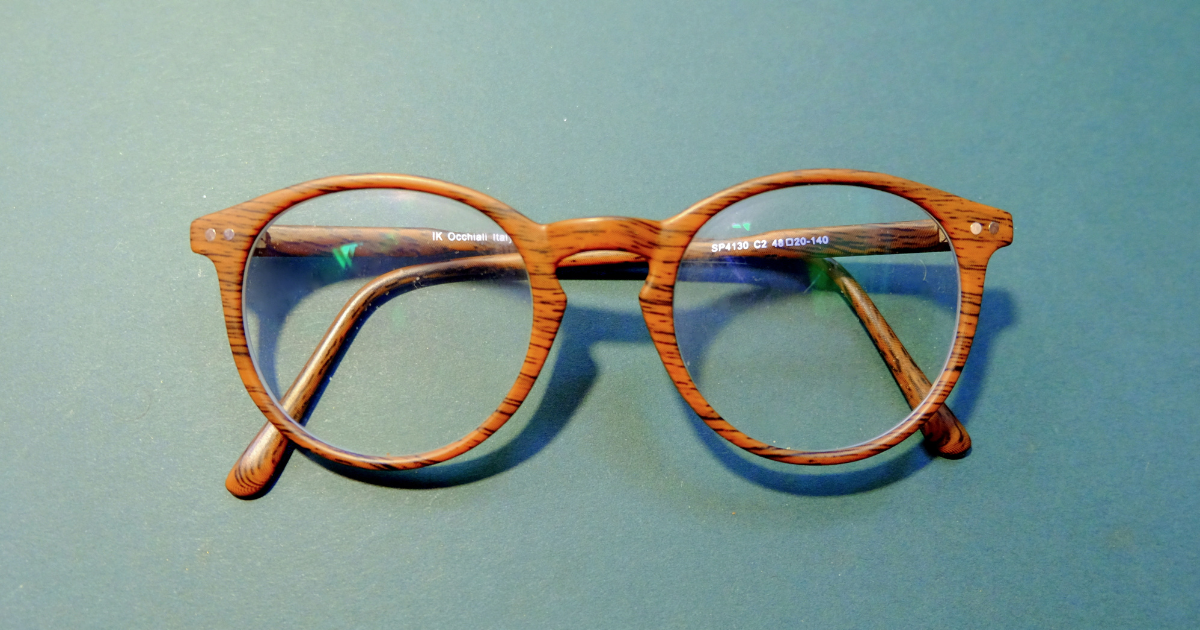
Designer frames in Pasadena, TX give patients an opportunity to combine clear vision, everyday comfort, and personal style in one essential accessory. A frame may…

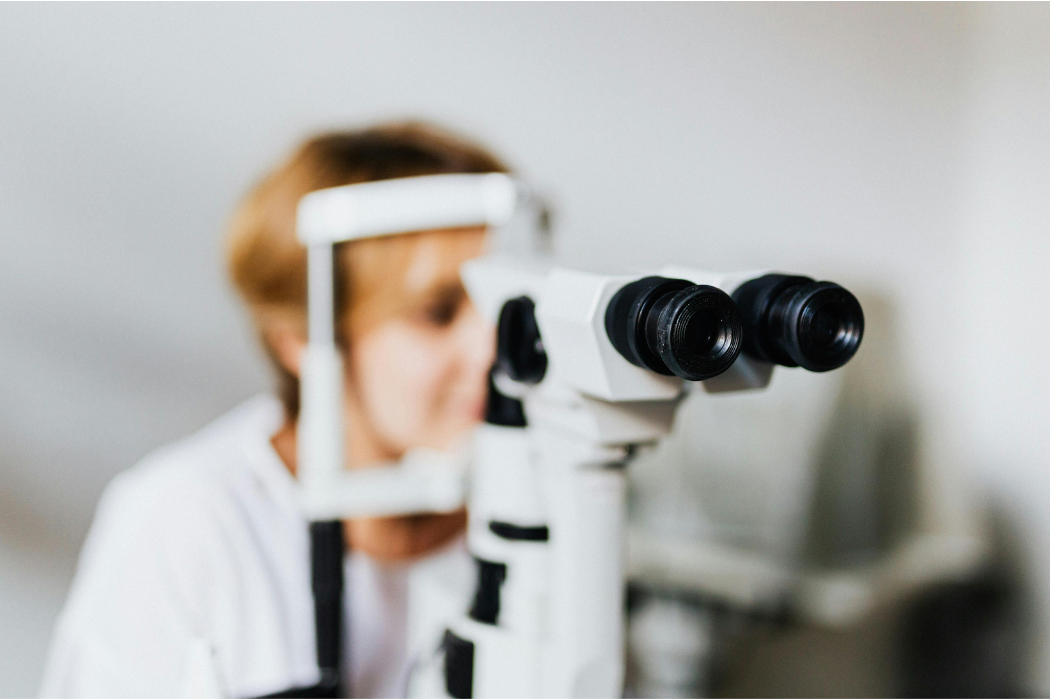
An Optometrist can help translate the visual demands of work, school, driving, and recreation into a practical plan for clearer, more comfortable vision.
Most people organize eye care around a simple question: Is it time for new glasses? That question matters, but it overlooks the many ways vision influences daily performance. Reading small text, moving between multiple screens, driving after dark, handling detailed equipment, and participating in sports can place very different demands on the eyes.
A useful vision plan considers those demands alongside eye health, medical history, safety risks, and personal preferences. The result is not necessarily more eyewear or more complicated care. It is a better match between the tasks being performed and the correction, protection, or follow-up they require.
Businesses examine workflows before investing in new equipment. Individuals can use a similar approach when evaluating their vision. For several days, note when discomfort or difficulty appears and what you were doing at the time.
Record details such as:
This audit can reveal patterns. A prescription may work well for driving but feel awkward at a desktop computer. Contact lenses may be comfortable for several hours and then become bothersome in an air-conditioned office. Fine near work may require a different solution from reading a phone occasionally.
Bring these observations to the examination. Specific examples are more useful than saying that your eyes simply feel tired.
A person can read small letters clearly and still experience headaches, intermittent blur, dryness, or difficulty shifting focus. Visual acuity is important, but it does not describe every aspect of how the eyes function throughout a demanding day.
The American Optometric Association describes digital eye strain as a group of eye and vision problems associated with prolonged use of computers, tablets, phones, and other devices. Symptoms can be influenced by viewing distance, lighting, glare, posture, uncorrected vision problems, and the amount of continuous screen use.
Before assuming that a special product will solve the problem, review the basic setup:
The widely used 20-20-20 method suggests looking approximately 20 feet away for 20 seconds every 20 minutes. It is a simple reminder to vary focus, but it should not be treated as a substitute for an examination when symptoms persist.
One pair of glasses may cover many activities, but it is not automatically ideal for every working distance or environment. Eyewear decisions should begin with the task rather than a fashionable lens label.
Someone who spends the day switching between a laptop and customers across a room has different needs from an accountant working with two close monitors. A mechanic, laboratory worker, driver, designer, student, and outdoor supervisor also encounter different combinations of distance, detail, movement, glare, and physical risk.
Useful questions to discuss include:
The lowest initial price is not always the most practical choice, but additional lens features should still solve an identifiable problem. Ask what each option changes, which limitations remain, and whether the benefit applies to your normal routine.
Prescription glasses are not automatically safety glasses. Ordinary frames and lenses may not provide suitable protection against flying material, chemicals, dust, or hazardous radiation.
The Occupational Safety and Health Administration explains when workplace eye and face protection is necessary. Employers must assess applicable hazards and provide appropriate protection when workers face chemical, environmental, radiological, or mechanical risks.
Employees who need vision correction should ask whether the required protection can be worn over their glasses or whether prescription safety eyewear is appropriate. The exact solution depends on the hazard and applicable workplace requirements.
Protection also matters outside employment. Home repairs, lawn equipment, sports, and chemical cleaners can expose the eyes to preventable injury. Protective eyewear should be selected for the activity, maintained in good condition, and replaced when damage interferes with its protective function.
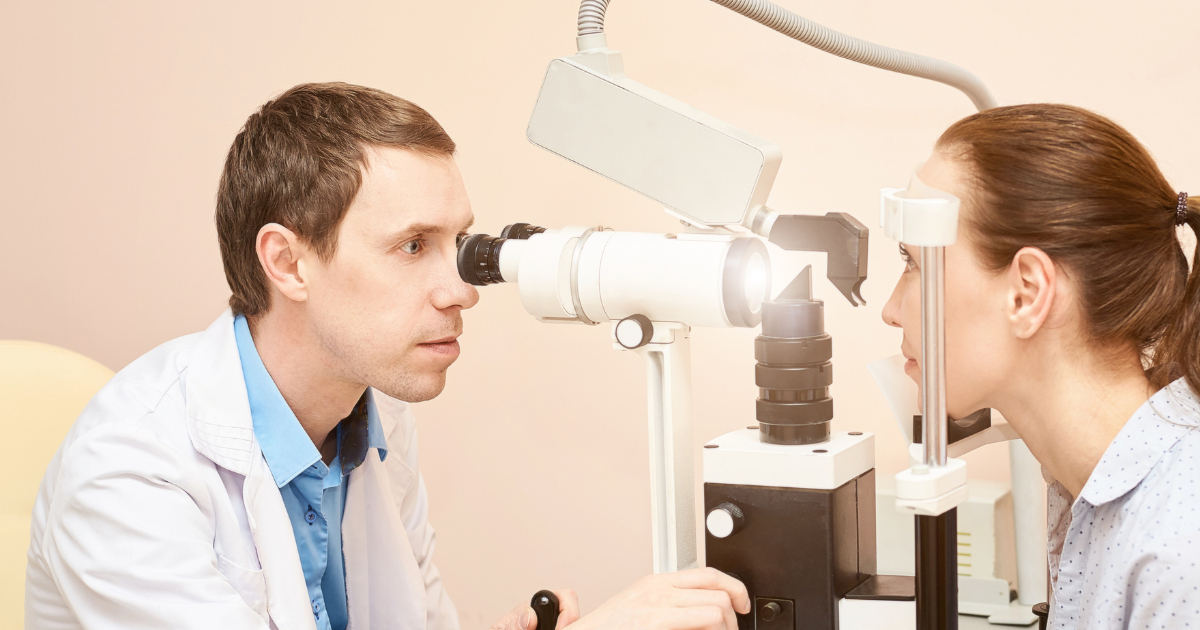
Updating a prescription addresses refractive error, but a comprehensive examination also evaluates eye health and visual function. The procedures and recommended schedule vary according to age, symptoms, medical conditions, family history, contact lens use, and previous findings.
The National Eye Institute explains the role of a dilated eye examination in detecting conditions that may not produce early warning signs. Whether dilation is needed at a particular visit is a clinical decision based on the patient’s circumstances and available findings.
Preparation can make an examination more informative. Bring:
People with diabetes should be especially deliberate about follow-up. The National Eye Institute notes that diabetic retinopathy may have no symptoms at first and recommends at least yearly comprehensive dilated eye examinations for people with diabetes. An individual clinician may recommend more frequent care based on health status or retinal findings.
Contact lenses can support work, sports, and active lifestyles, but convenience should not lead to casual care. A glasses prescription does not contain all the measurements and specifications needed for contact lenses.
A contact lens evaluation considers the ocular surface, lens fit, vision, material, wearing schedule, and replacement plan. Follow-up is valuable because a lens can feel acceptable while still requiring adjustment.
The Centers for Disease Control and Prevention identifies contact lenses as medical devices and warns that improper wear, cleaning, or storage increases the risk of infection. Good operating habits include:
Do not extend wear simply to reduce short-term costs. A replacement schedule is part of the prescribed system, not merely a purchasing suggestion.
Outdoor vision involves more than making bright conditions feel comfortable. Sunglasses should reduce ultraviolet exposure while preserving the clarity and contrast needed for the activity.
The National Eye Institute recommends protecting the eyes from ultraviolet radiation. Look for sunglasses that block 99 to 100 percent of UVA and UVB radiation. Dark tint alone does not confirm adequate UV protection.
Driving creates another set of demands. Distance clarity, peripheral awareness, changing light, glare, and a clean windshield all affect the experience. If night driving has become difficult, report the specific problem rather than purchasing stronger lenses independently. Glare, blur, reduced contrast, dry eye, an outdated prescription, or an eye condition may require different responses.
Good planning includes knowing which information belongs in your records. The Federal Trade Commission explains that patients must receive a copy of their eyeglass prescription after a refractive examination at no extra charge. Contact lens prescriptions are governed by related federal requirements.
Keep the prescription with the examination date, provider information, receipts, insurance records, and any instructions for follow-up. This makes it easier to compare options, replace damaged eyewear, or provide accurate information to another healthcare professional.
Fort Worth Eye Center, led by Dr. Dan Lam, provides comprehensive eye care at 5329 Sycamore School Road in Fort Worth, Texas. Its publicly listed services include comprehensive, children’s, sports vision, diabetic, and contact lens examinations.
The practice also offers custom eyewear and several specialty contact lens options. These include orthokeratology lenses, MiSight lenses for myopia management, and scleral lenses that may be considered for people with keratoconus. Suitability requires an individual examination and fitting.
Fort Worth Eye Center reports using widefield retinal imaging during comprehensive examinations. It also has an in-house optical laboratory and offers same-day glasses for many prescriptions, including some prescriptions involving astigmatism. Patients should confirm availability for their particular prescription before relying on same-day service.
A practical vision plan should evolve as responsibilities, health, and working conditions change. Use this short review to identify when the plan needs attention:
Vision care is most effective when it is connected to real activities rather than treated as an isolated purchase. By documenting visual demands, improving the environment, selecting task-appropriate eyewear, and maintaining preventive care, individuals can build a plan that supports both eye health and everyday performance.