
The Uptime Advantage: Marine Diesel Repair in Savannah
Marine diesel repair in Savannah, GA is more than a response to mechanical trouble—it is part of a practical strategy for protecting a vessel, controlling…

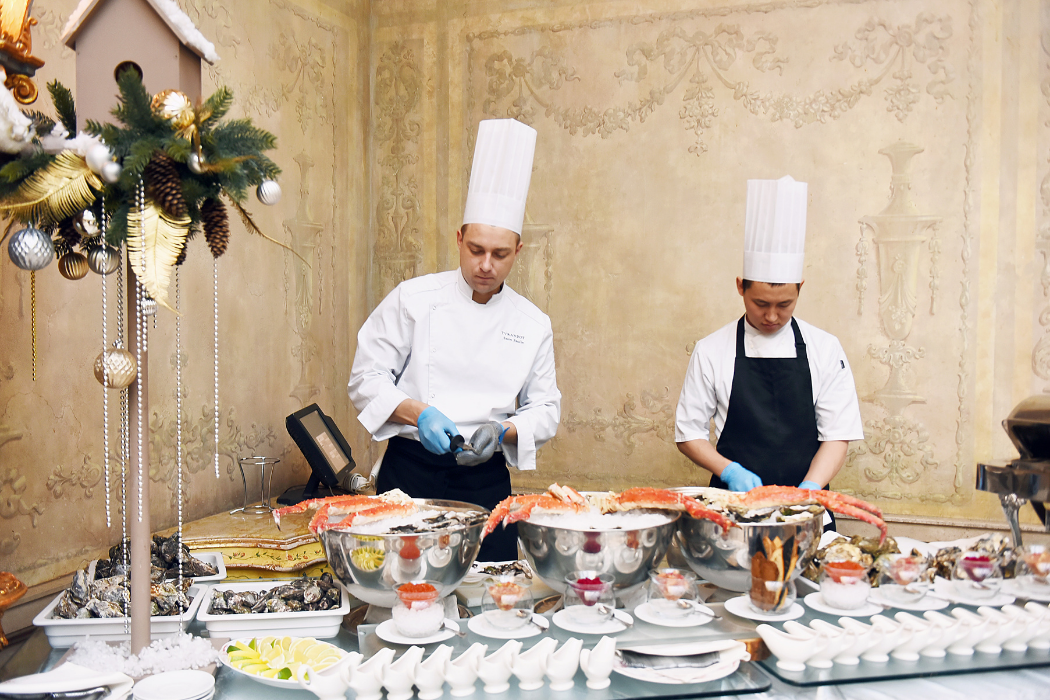
A professional Caterer can make an event feel effortless, but that outcome begins with a clear business brief rather than a menu selection.
Catering is a coordinated service involving food, labor, equipment, timing, venue access, guest communication, and contingency planning. When organizers provide incomplete information, suppliers must make assumptions. Those assumptions may lead to unsuitable service formats, unexpected fees, staffing shortages, or avoidable delays.
A well-constructed catering brief creates a shared operating plan. It helps the catering company prepare an accurate proposal while giving the organizer a practical basis for comparing options.
Begin with the purpose of the event. A board luncheon intended to support focused discussion requires a different approach from a fundraising gala, employee celebration, wedding reception, or film-production meal.
State the desired outcome in one or two sentences. For example, the priority might be keeping a conference on schedule, creating a formal guest experience, serving a crew efficiently during a short break, or showcasing regional cuisine to visiting clients.
Then document the essential facts:
For events using Savannah parks, squares, public venues, or rights-of-way, organizers should review the City of Savannah’s current special-event requirements early. Permits, setup restrictions, public activity, staffing obligations, and approved operating hours can influence the catering plan.
A catering proposal is easier to evaluate when every company receives the same scope. The scope should explain which services the supplier is expected to provide and which responsibilities remain with the organizer, venue, or another vendor.
Consider whether the catering company will handle:
A detailed scope prevents two proposals with very different service levels from appearing comparable. One quotation may cover food and delivery, while another includes labor, rentals, cleanup, and on-site management.
The best format depends on guest flow, available space, labor requirements, and the time allocated for dining.
Plated service creates a controlled and formal experience, but it requires seating plans, meal selections, service staff, and precise timing. Organizers should allow enough time for several tables to be served and cleared.
Buffets provide choice and flexible portions. The business question is throughput: how many guests can move through the serving area without disrupting the program? Large groups may require duplicate buffet lines or multiple serving points.
Food stations encourage movement and conversation. They can work well for networking events, but the floor plan must prevent queues from blocking entrances, presentation areas, or accessible routes.
Individually packaged meals can simplify distribution during meetings, travel, and production schedules. Clear labeling becomes especially important when several menu variations are offered.
Ask the catering team to estimate the service duration, staffing level, and space needed for the proposed format. The menu and operating plan should be developed together.
Food cost is only one part of the financial picture. A responsible working budget should account for labor, rentals, delivery, administrative charges, taxes, gratuities, overtime, venue fees, and contingency funds.
Request an itemized proposal and clarify:
Keep a modest contingency reserve. Attendance changes, extra rental needs, extended service, and weather-related adjustments can affect the final total even when the original plan is sound.
Collect dietary information through registration or guest communication rather than relying on estimates. Distinguish lifestyle preferences from medically necessary restrictions, and send the final information to the catering company in writing.
The U.S. Food and Drug Administration identifies nine major food allergens. When a guest reports an allergy, the organizer should ask how ingredients, shared equipment, cross-contact risks, labeling, and special-meal delivery will be managed.
Accessibility also extends beyond the menu. The ADA guidance for accessible meetings encourages planners to consider seating, routes, communication, service areas, and individual accommodation requests. Buffet placement, table height, aisle width, and staff assistance can determine whether guests can participate independently.
Event planning becomes more reliable when likely disruptions are discussed before they happen. A simple risk register can identify the issue, warning signs, responsible person, and planned response.
Common catering risks include:
For outdoor functions, the National Weather Service Event Ready Guide recommends identifying relevant weather hazards, shelter options, communication methods, and the time required to move people. The catering operation should be included in that plan because food, equipment, staff, and service areas may also need protection or relocation.
Food-service requirements should be confirmed with the appropriate local authority. The Georgia Department of Public Health publishes the state’s food-service rules, while the FDA Food Code provides a national model for food-safety regulation.
Back-of-house safety deserves attention as well. The Occupational Safety and Health Administration’s kitchen-equipment guidance addresses risks involving hot surfaces, sharp tools, electrical equipment, slips, and other food-service hazards.
Overordering increases cost, storage needs, transportation weight, cleanup time, and waste. Underordering creates a different operational problem. Accurate attendance estimates and realistic portion planning help balance both risks.
Ask when the catering company needs its final count and how quantities are adjusted for the service format. Discuss reusable service items, recycling, donation possibilities, composting access, and the venue’s waste rules.
The Environmental Protection Agency’s Wasted Food Scale prioritizes preventing wasted food and donating or upcycling suitable food over disposal. This provides a useful framework for evaluating sustainability decisions beyond decorative claims.
Thrive Catering is a Savannah-based full-service catering company serving weddings, social gatherings, corporate events, film productions, and yacht clients.
Its published menu formats include box lunches, buffets, plated dining, family-style meals, chef-attended stations, hors d’oeuvres, Lowcountry boils, desserts, and wedding cakes. The company also publishes plant-based, gluten-free, and dairy-free options and states that menus can be customized according to an event’s tastes and dietary needs.
Thrive’s website identifies the business as Savannah’s first and only Green Certified caterer, with third-party certification through the Green Restaurant Association. It also offers rental and additional-service resources, which can help organizers consolidate responsibilities when planning a complex event.
When contacting any full-service company, provide the complete brief rather than requesting a general price. Date, venue, attendance, service time, menu expectations, rentals, staffing, dietary needs, and budget all affect what can be proposed.
Three to five days before the event, circulate one approved operating document. It should include the final guest count, schedule, venue contacts, loading instructions, floor plan, menu, dietary list, staffing plan, rental list, weather response, and decision-maker contact information.
Hold a short confirmation call with the venue and catering lead. Resolve remaining questions and record any changes in writing. Avoid giving conflicting instructions through several organizers on the event day.
Successful catering depends on far more than choosing appealing dishes. A clear brief connects the menu to the event’s goals, schedule, space, budget, guests, and operational risks.
When responsibilities and decision points are documented early, the catering team can plan with greater accuracy. The organizer gains clearer proposals, fewer surprises, and an event-day process designed to support both the guests and the purpose of the gathering.