The Uptime Advantage: Marine Diesel Repair in Savannah
Marine diesel repair in Savannah, GA is more than a response to mechanical trouble—it is part of a practical strategy for protecting a vessel, controlling…


An Optometrist can help translate the visual demands of work into practical choices about correction, comfort, protection, and preventive care.
Vision is easy to overlook in business planning because it rarely appears as a separate operating expense. Yet employees rely on it while reading documents, interpreting dashboards, inspecting products, driving, operating equipment, and communicating through screens.
A vision-ready workplace does not promise that every symptom can be prevented. It identifies job-specific demands, removes avoidable obstacles, and gives workers a clear path to professional evaluation when their vision changes.
A prescription that works well for everyday activities may not be ideal for every occupation. The viewing distance used by an accountant differs from that of a dental professional, commercial driver, machinist, or warehouse employee.
A useful assessment considers questions such as:
These details help distinguish a general complaint such as “my eyes feel tired” from a specific mismatch involving correction, workstation design, lighting, tear-film stability, or protective equipment.
Screen-related discomfort is often treated as a product problem. Employees may purchase special glasses or filters without first examining how the workstation is arranged.
The Occupational Safety and Health Administration’s workstation guidance identifies glare, excessive brightness, uneven illumination, direct airflow, and low humidity as factors that may contribute to eye fatigue or discomfort.
Practical improvements include:
The American Optometric Association’s overview of computer vision syndrome also recommends regular visual breaks, appropriate viewing distances, reduced glare, and attention to uncorrected vision problems.
People tend to blink less completely while concentrating on digital content. Airflow, contact lens wear, medications, and underlying tear-film problems may add to the discomfort.
Dry eye can cause burning, scratchiness, redness, light sensitivity, or fluctuating blur. According to the National Eye Institute, evaluation may involve tear quantity, how quickly tears evaporate, and the structure of the eyelids.
Occasional fatigue may improve after environmental changes and breaks. Persistent, recurring, or worsening symptoms deserve an examination rather than repeated experimentation with random products.
Office comfort and industrial eye safety require different strategies. In environments with particles, chemicals, biological material, radiation, or impact hazards, ordinary prescription glasses may not provide the necessary coverage.
The National Institute for Occupational Safety and Health advises employers to assess workplace hazards and select suitable protective eyewear. Coverage, comfort, peripheral vision, fit, and compatibility with other protective equipment all matter.
The applicable solution could include safety spectacles, goggles, a face shield, or another task-specific system. The OSHA eye and face protection resources help employers understand federal requirements and recognized protection standards.
Workers who need corrective lenses should discuss prescription-compatible options. Improvised combinations can create pressure points, gaps in coverage, fogging, or restricted vision. A properly fitted solution should support both the visual task and the hazard-control plan.
Reading a standard eye chart is valuable, but clear central vision does not confirm that every part of the eye is healthy. Some conditions develop gradually or produce few noticeable symptoms during their earlier stages.
The National Eye Institute explains that a comprehensive dilated eye examination can include assessments of visual acuity, peripheral vision, eye movement, pupil response, eye pressure, and internal eye structures.
Repeated examinations create useful comparisons. A clinician may evaluate whether a prescription is stable, whether an observed feature has changed, or whether symptoms correspond with a new finding. The appropriate interval depends on age, history, contact lens wear, medical conditions, symptoms, and previous results.
Employees should seek prompt guidance for sudden vision loss, significant pain, chemical exposure, trauma, new flashes, numerous floaters, or a marked increase in redness. These concerns should not be postponed until the next routine examination.
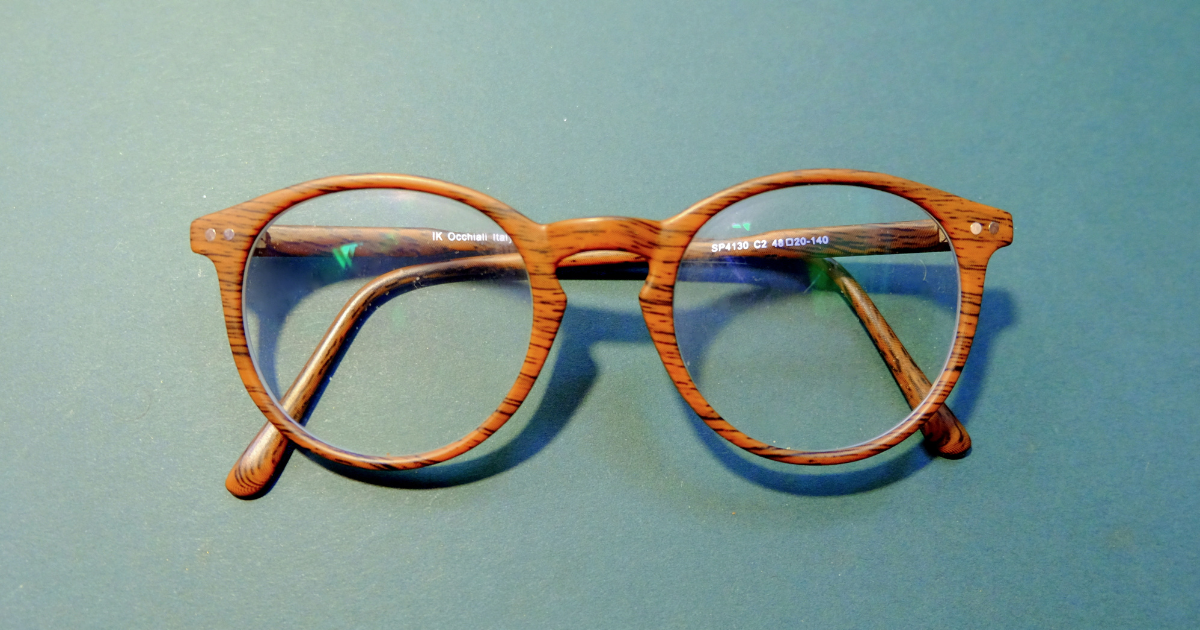
Eyewear is most useful when its design reflects where, when, and how it will be worn. Someone who spends the day moving between a monitor and a meeting room may need a different solution from a person who performs detailed close work at a fixed distance.
Before ordering glasses, describe:
Frame stability is especially important when glasses are worn for long periods. A frame that slides, presses behind the ears, or places the lenses incorrectly can become a daily distraction. Lens features should address an identifiable need rather than being added automatically.
Contact lenses can be practical for active occupations, peripheral awareness, or compatibility with certain protective equipment. They also require suitable fitting, hygiene, and realistic wearing habits.
The U.S. Food and Drug Administration’s contact lens guidance warns against exposing lenses to water, reusing old solution, or continuing to wear lenses when the eyes become red, irritated, or visually impaired.
Workers should consider whether they have access to clean hands, safe storage, approved solution, and backup glasses. Dust, dry air, long hours, or restricted access to hygiene facilities may affect the practicality of lens wear.
Discomfort near the end of every workday is useful clinical information. A professional evaluation can consider lens material, fit, replacement schedule, tear quality, and environmental exposure instead of assuming discomfort is unavoidable.
Workplace vision programs should not treat the eyes as isolated from the rest of the body. Diabetes, high blood pressure, medications, autoimmune conditions, and family history can affect examination recommendations.
Diabetes is particularly important because retinal damage may develop before a person notices a change. The Centers for Disease Control and Prevention recommends regular dilated eye examinations for people with diabetes and emphasizes management of blood sugar, blood pressure, and cholesterol.
Employees do not need to disclose private medical information to colleagues. They should, however, provide relevant health and medication details to their eye-care professional so that findings can be interpreted in context.
A small organization does not need a complicated wellness program to support visual readiness. It can begin with clear, low-cost operating practices.
This approach treats vision as part of job design. It avoids diagnosing employees while still addressing conditions the organization can reasonably improve.
Radiant Vision Experts serves patients through Eyes On Wesley Chapel in Wesley Chapel and Trillium Eye Care in Jacksonville, Florida. Its published services connect routine vision correction with broader eye-health monitoring.
The practices provide comprehensive adult and pediatric eye examinations, contact lens evaluations, and medical eye care related to dry eye, diabetic eye disease, glaucoma, cataracts, macular degeneration, red eyes, and urgent concerns. Myopia-management options include specialized soft contact lenses, prescription spectacle lenses, and orthokeratology for selected patients.
Radiant Vision Experts also operates optical studios with personalized frame and lens guidance. Its stated process considers lifestyle, occupation, hobbies, visual needs, prescription, and fit, which are the same factors that make work-specific eyewear more useful.
This integrated model matters because workplace complaints do not always have a single cause. Blurred text might involve a prescription change, dry eye, glare, poor screen positioning, or several contributing factors. A comprehensive evaluation can help separate those possibilities and establish an appropriate response.
Organizations routinely maintain software, equipment, lighting, and safety systems because reliable work depends on them. Vision deserves similar attention, although the solution begins with thoughtful job design rather than a one-size-fits-all benefit or product.
Reduce avoidable glare, define visual hazards, select task-appropriate protection, and encourage workers to report meaningful changes. Individuals can contribute by describing their real working conditions, maintaining backup correction, following contact lens instructions, and seeking professional care when symptoms persist.
A vision-ready workplace is not simply more comfortable. It gives people a better chance to see their tasks clearly, use protective equipment correctly, and respond to eye-health concerns before those concerns interfere with daily work.