Why Eye Health Belongs in Every Personal and Workplace Wellness Plan
Complete eye health evaluations do more than determine whether someone needs a new prescription; they help assess how clearly the eyes see, how well they work together, and whether signs of disease require attention.
Vision is involved in nearly every part of modern life. Employees read screens, interpret data, drive, operate equipment, communicate with customers, and move through physical workplaces using visual information. Yet eye care is often treated as an occasional response to blurry vision rather than a routine part of preventive health.
That approach overlooks an important fact: some eye diseases can develop without obvious early symptoms. A person may read an eye chart reasonably well while changes are occurring elsewhere in the eye. Regular examinations help establish a baseline, identify prescription changes, and guide follow-up based on age, health history, symptoms, and individual risk.
An Eye Exam Is Not Just a Vision Test
A vision screening can be useful for identifying people who may have difficulty seeing at a particular distance. However, it does not provide the same information as a comprehensive examination performed by an eye care professional.
The American Optometric Association’s comparison of screenings and examinations explains that screenings are limited and may miss certain vision problems or signs of eye disease.
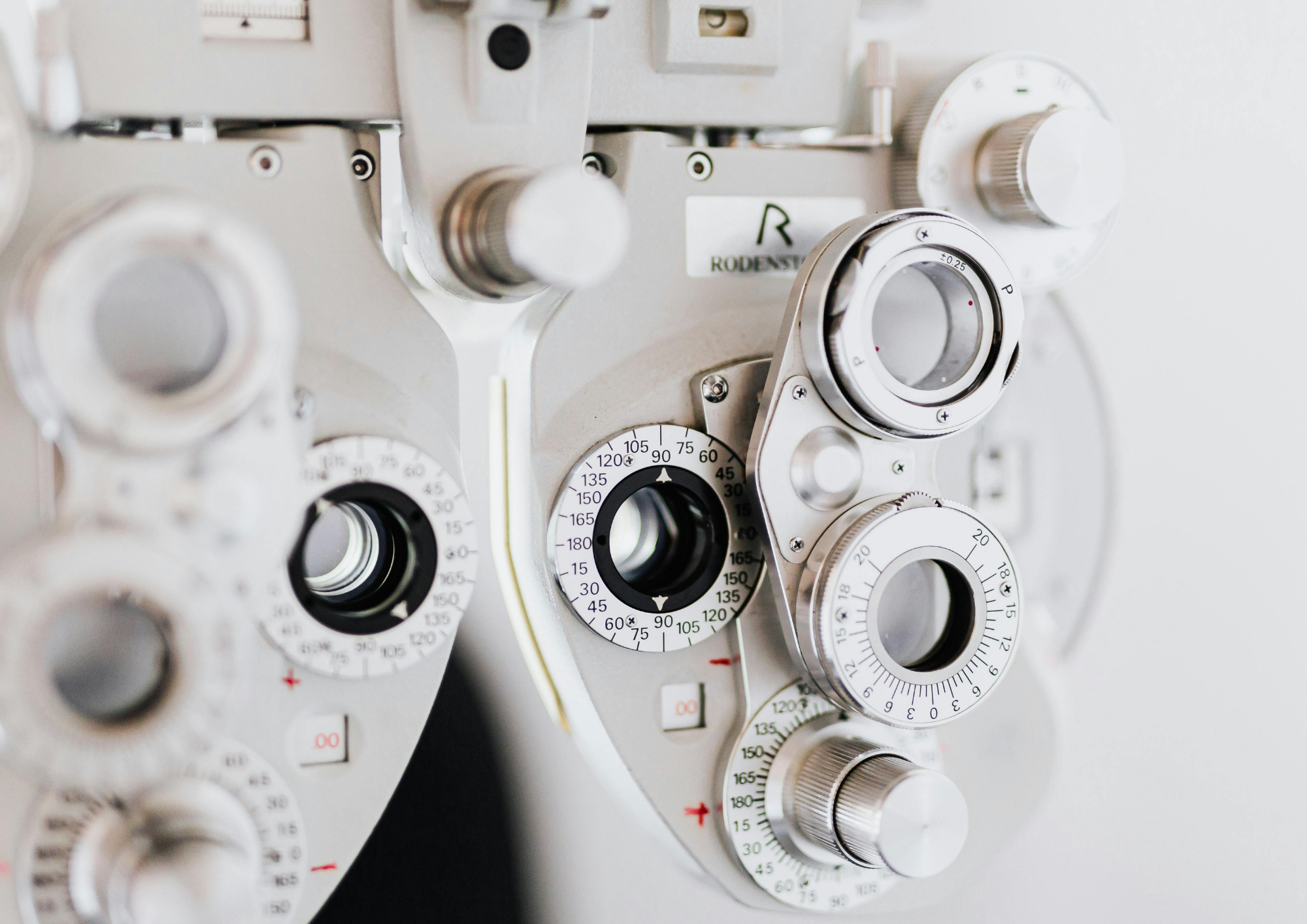
A comprehensive evaluation may include several components selected according to the patient’s needs:
- Visual acuity testing to measure clarity at different distances
- Refraction to determine whether glasses or an updated prescription may improve vision
- Eye movement and alignment testing to evaluate how the eyes coordinate
- Pupil response testing to observe how the pupils react to light
- Eye pressure measurement when clinically appropriate
- Slit-lamp examination to inspect structures at the front of the eye
- Retinal and optic nerve evaluation to look for signs of damage or disease
- Visual field or other specialized testing when symptoms or risk factors indicate a need
Not every person receives every test at every visit. The optometrist determines what is appropriate after considering symptoms, medical history, medications, family history, and previous findings.
Why Feeling Fine Does Not Always Mean Everything Is Fine
Many people postpone eye care because their current glasses seem adequate or they have not noticed a dramatic change. Unfortunately, symptoms are not always an early warning system.
The National Eye Institute explains that dilation allows an eye care professional to obtain a wider view of internal structures, including the retina and optic nerve. This can help identify conditions that may not initially affect day-to-day vision.
Glaucoma is an important example. According to the National Eye Institute’s glaucoma guidance, the common open-angle form often begins without noticeable symptoms. Vision loss may develop gradually, frequently affecting peripheral vision first.
This is why “I can still see” is not a complete assessment of eye health. Clear central vision is valuable, but it represents only one part of how the visual system is functioning.
Eye Health and General Health Are Connected
The eyes contain blood vessels, nerves, and tissues that can be affected by health conditions elsewhere in the body. During an examination, an optometrist may observe changes that warrant monitoring or communication with another healthcare professional.
Diabetes is one clear reason regular eye care matters. National Eye Institute information about diabetic retinopathy notes that the condition can damage retinal blood vessels and may not produce symptoms in its early stages. People with diabetes should follow the examination schedule recommended by their healthcare team.
High blood pressure, autoimmune disease, medications, pregnancy, and family history may also influence eye health or examination frequency. Patients should provide an accurate health history even when the visit seems to be focused only on glasses.
Useful information to bring includes:
- A current medication and supplement list
- Personal and family history of eye disease
- History of diabetes, high blood pressure, or other chronic conditions
- Previous eye injuries or surgeries
- Current glasses and contact lenses
- Details about headaches, glare, dryness, double vision, flashes, or floaters
The Business Case for Supporting Routine Eye Care
Employers do not diagnose eye conditions, but they can create policies that make preventive care easier to access. This is particularly relevant in workplaces involving screens, driving, detailed visual tasks, chemicals, machinery, or airborne particles.
Vision changes may contribute to difficulty reading small text, shifting focus between distances, working in low light, or maintaining accuracy during visually demanding tasks. Employees may compensate by leaning toward screens, squinting, increasing magnification, or avoiding certain assignments.
The National Institute for Occupational Safety and Health encourages employers to consider workplace lighting, task visibility, eye-hazard assessments, breaks from visually demanding work, and access to appropriate eye care resources.
A practical workplace eye-health program can include:
- Vision benefits that support routine examinations
- Flexible time for preventive healthcare visits
- Adjustable lighting and monitor positioning
- Larger text or magnification options for detailed tasks
- Training on eye hazards and protective equipment
- Accessible eyewash stations where chemical exposure is possible
- A clear process for reporting visual difficulty or eye injuries
These measures support both individual well-being and reliable job performance. They also recognize that the visual demands of an office differ from those of a laboratory, manufacturing facility, construction site, or commercial driving role.
Screen Discomfort and Eye Disease Are Not the Same Thing
Long periods of concentrated screen use can be associated with tired eyes, dryness, temporary blur, headaches, and difficulty shifting focus. People often blink less while concentrating, which can contribute to dryness and irritation.
The Centers for Disease Control and Prevention recommends periodically looking away from the computer and using the 20-20-20 approach: every 20 minutes, look at something approximately 20 feet away for 20 seconds.
Other practical adjustments include:
- Positioning the monitor at a comfortable viewing distance
- Reducing glare from windows and overhead lighting
- Increasing text size instead of leaning toward the screen
- Remembering to blink during concentrated work
- Taking brief breaks that involve changing focus and posture
- Discussing persistent dryness or headaches with an eye care professional
These habits may improve comfort, but they are not substitutes for an examination. Screen-related symptoms can overlap with an outdated prescription, dry eye, focusing difficulty, or another condition that requires individual evaluation.
Workplace Safety Requires More Than Clear Vision
Correcting a worker’s vision does not eliminate environmental hazards. Employees exposed to flying particles, chemicals, infectious materials, or intense light sources may require task-specific protective eyewear.
The NIOSH eye-safety guidance for workers explains that protective eyewear should be selected according to the hazard and adjusted for proper coverage, comfort, and peripheral vision. Depending on the workplace, protection may include safety spectacles, goggles, face shields, or full-face respirators.
Ordinary prescription glasses are not automatically a replacement for approved safety eyewear. Employees who need vision correction should ask their employer and eye care provider about options appropriate for their duties.
What Patients Can Expect From a Thoughtful Eye Care Visit
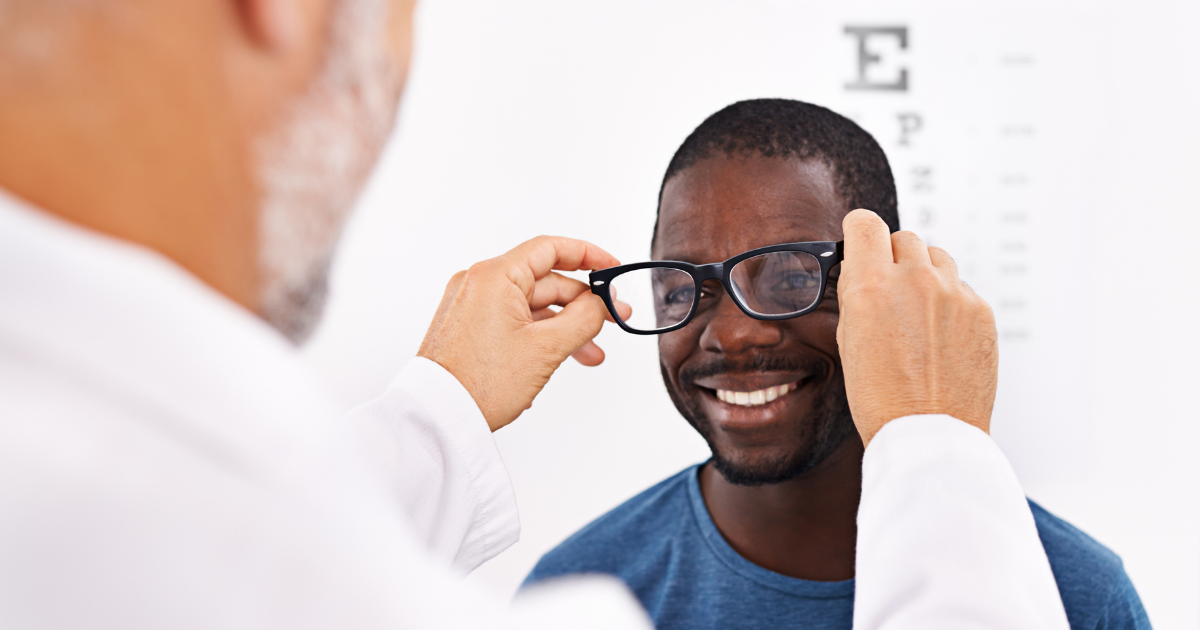
A good examination should include communication as well as testing. Patients should have an opportunity to describe their visual demands, symptoms, and concerns in plain language.
Gateway Eye Care in New Hartford serves patients from New Hartford, Utica, and surrounding Mohawk Valley communities. The practice provides eye exams for patients of different ages and describes an approach that combines vision assessment, eye-health evaluation, diagnostic technology, and personalized guidance.
The practice also offers pediatric, contact lens, and diabetic eye exams, along with care related to glaucoma, cataracts, macular degeneration, dry eye, myopia, and urgent eye concerns. These services illustrate why eye care should not be reduced to selecting a stronger or weaker lens prescription.
How to Prepare for an Eye Examination
A small amount of preparation can make the visit more informative.
- Write down your symptoms. Note when they began, how often they occur, and what makes them better or worse.
- Bring your current eyewear. Include prescription glasses, reading glasses, sunglasses, and contact lens information.
- List medications and health conditions. Include recent changes, even if they seem unrelated to vision.
- Ask about dilation. Dilating drops can temporarily cause light sensitivity or blurry near vision. Ask whether you should arrange transportation or bring sunglasses.
- Describe your daily visual tasks. Mention prolonged screen use, night driving, detailed close work, sports, and occupational hazards.
- Prepare questions. Ask what changed, what should be monitored, and when the next evaluation is recommended.
Common Questions About Comprehensive Eye Exams
How often should adults have their eyes examined?
There is no single schedule appropriate for everyone. Age, symptoms, prescription, contact lens use, diabetes, family history, and previous findings can affect the recommended interval. Follow the guidance of your eye care professional.
Do I need an exam if my glasses still work?
Possibly. A stable prescription does not confirm that every part of the eye is healthy. Eye-health assessments examine structures and functions that cannot be evaluated by judging glasses alone.
Is dilation required at every visit?
Not necessarily. The optometrist decides when dilation or retinal imaging is appropriate based on risk factors, symptoms, age, and clinical findings. Ask what each test is designed to evaluate.
When should an eye problem be treated as urgent?
Sudden vision loss, a rapid change in vision, significant eye pain, chemical exposure, penetrating injury, or a sudden increase in flashes or floaters can require prompt evaluation. Contact an eye care professional or emergency service immediately rather than waiting for a routine visit.
Preventive Eye Care Is Practical Risk Management
Routine eye care supports more than visual comfort. It can help people maintain functional vision, recognize changes earlier, use appropriate correction, and receive guidance suited to their health and daily activities.
For individuals, this means treating eye exams as part of preventive care rather than waiting for obvious blur. For employers, it means supporting access to care while addressing lighting, screen habits, protective equipment, and job-specific hazards.
A comprehensive evaluation cannot prevent every eye condition, but it provides something valuable: better information. That information helps patients and professionals make timely decisions about vision correction, monitoring, treatment, and workplace safety.