Choosing an Optometrist in Los Angeles, CA
Choosing an optometrist in Los Angeles, CA involves more than finding the closest office or the first available appointment; it means identifying a practice that…

Choosing an optometrist in Los Angeles, CA involves more than finding the closest office or the first available appointment; it means identifying a practice that can support your vision, eye health, eyewear needs, and daily routine.
Los Angeles residents often rely on their vision across a demanding mix of activities. A typical day may involve extended computer work, mobile devices, navigating traffic, reading fine print, and driving after dark. These changing visual demands make personalized eye care especially valuable.
An optometry practice should provide more than a quick prescription check. The strongest patient experience combines appropriate testing, clear communication, practical recommendations, and reliable follow-up care. Understanding what to look for can help patients make a more informed decision before scheduling an appointment.
Not every eye appointment has the same purpose. Some visits focus on updating an eyeglass prescription, while others involve contact lens fitting, evaluation of uncomfortable symptoms, or monitoring an existing condition. Identifying the reason for the visit makes it easier to choose an appropriately equipped practice.
Common reasons to visit an optometrist include:
The Centers for Disease Control and Prevention explains that eye examinations are an important part of overall health care. In addition to identifying a need for vision correction, comprehensive examinations can help detect eye diseases that may not cause noticeable symptoms during their early stages.
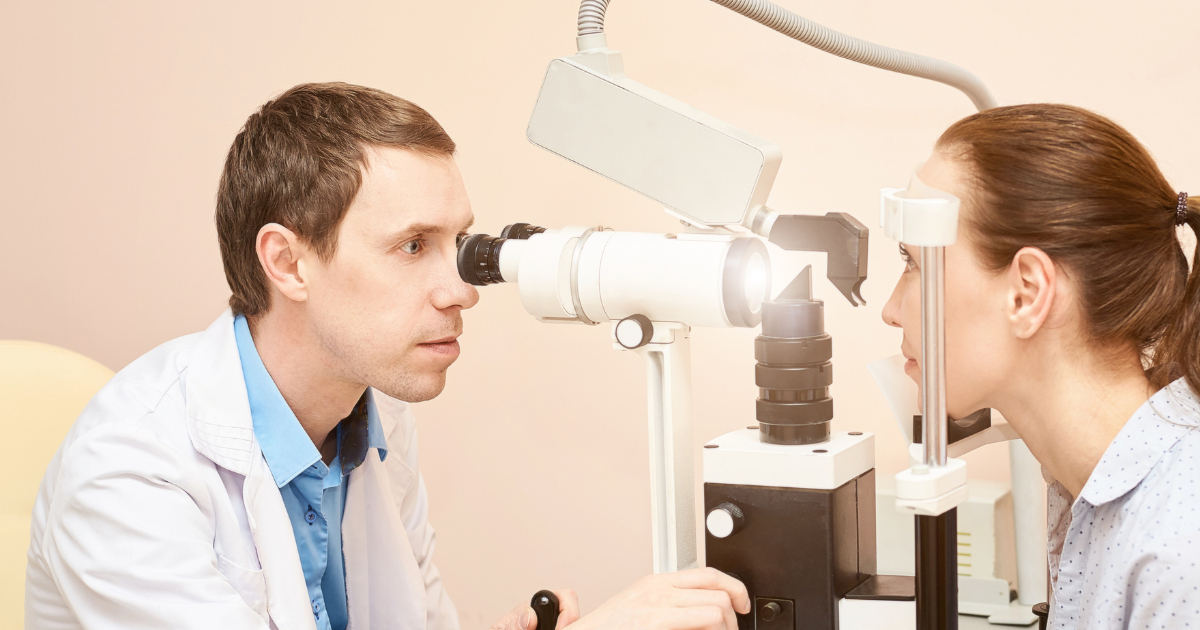
A prescription test measures how the eyes focus and determines whether corrective lenses can improve vision. A comprehensive examination may evaluate additional areas, including eye pressure, peripheral vision, pupil responses, eye movement, and the structures at the front and back of the eyes.
The tests performed depend on factors such as age, symptoms, medical history, family history, and the optometrist’s findings. Patients should ask what an appointment includes rather than assuming every examination is identical.
The American Academy of Ophthalmology outlines several tests commonly used to evaluate vision and eye health. An optometrist may recommend additional testing when initial findings or reported symptoms indicate that a closer evaluation is appropriate.
Dilation temporarily widens the pupils so an eye doctor can obtain a broader view inside the eyes. According to the National Eye Institute, dilated examinations can help detect signs of glaucoma, diabetic retinopathy, cataracts, and age-related macular degeneration.
Not every appointment requires dilation, and examination schedules vary according to individual risk. People with diabetes, high blood pressure, a family history of eye disease, or other risk factors should discuss the appropriate examination frequency with their eye-care provider.
Vision does not exist only in an examination room. A prescription that produces clear letters on a chart must also support the patient’s actual activities. This is why an optometrist should ask how vision is used throughout the day.
A graphic designer may need sustained clarity at an intermediate computer distance. A driver may be concerned about glare and distant details. A student may frequently shift focus between a laptop, classroom display, and printed materials. Someone experiencing presbyopia may require help balancing near, intermediate, and distance vision.
Patients can make an appointment more productive by describing:
These details allow the optometrist to interpret examination results in a practical context. They may also help determine whether a patient would benefit from general-use glasses, reading glasses, occupational lenses, progressive lenses, or another option.
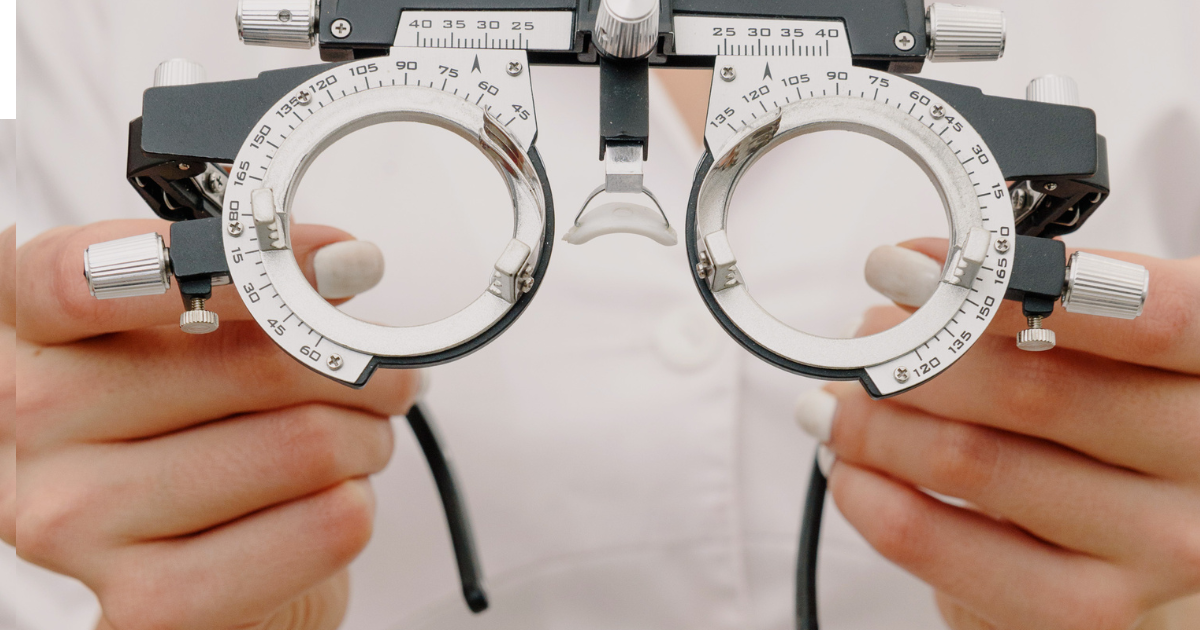
Digital examination equipment can improve efficiency and make it easier to compare prescription options. Automated instruments may provide preliminary measurements, while a digital phoropter can move quickly between different lens combinations during refraction.
Technology alone, however, does not determine the best prescription. The patient’s responses, current eyewear, symptoms, and visual priorities still matter. An experienced optometrist must decide whether a measured change is clinically meaningful and likely to improve daily vision.
This balance between technology and professional interpretation is an important quality indicator. Patients should receive an explanation of relevant findings rather than simply being handed a set of numbers at the end of the visit.
A practice with a broad range of services may make ongoing care more convenient. A patient who initially needs glasses might later require a contact lens evaluation, dry-eye care, urgent evaluation of a red eye, or management of another visual concern.
A full-service optometry practice may offer:
The presence of a service does not mean every patient needs it. Instead, a broader clinical range may allow the practice to provide continuity when a patient’s needs change.
An eyeglass prescription and contact lens prescription are not interchangeable. Contact lenses sit directly on the eyes, so their fit, material, diameter, curvature, and wearing schedule must be considered.
The U.S. Food and Drug Administration classifies contact lenses as medical devices and explains that improper use can increase the risk of infection and other complications. Patients interested in contacts should choose a practice that performs proper fittings and provides clear instructions for safe wear and care.
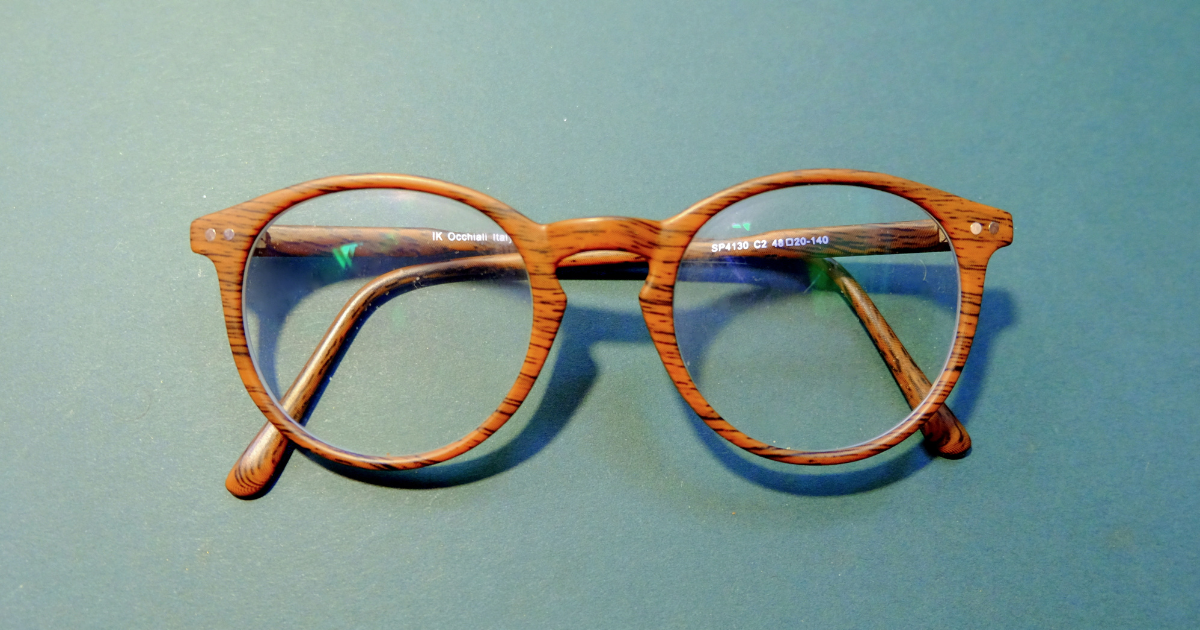
A precise prescription is only one component of successful eyewear. Frame fit, lens material, optical measurements, and fabrication quality can all affect comfort and clarity.
Frames should remain stable, feel comfortable, and position the lenses appropriately in front of the eyes. Accurate measurements are particularly important for progressive lenses, stronger prescriptions, and specialized lens designs. If a frame sits too low or shifts throughout the day, the wearer may not look through the intended area of the lenses.
Useful eyewear guidance should consider the patient’s prescription, facial structure, visual tasks, comfort preferences, and desired appearance. Rather than recommending the same product to everyone, the optical team should explain why a particular lens or frame may be appropriate.
The National Eye Institute notes that eyeglasses are a simple and safe way to correct refractive errors. The effectiveness of the finished eyewear still depends on translating the prescription into lenses that are made and positioned correctly.
Convenience can make it easier to maintain routine eye care, especially in a busy city. Location, appointment availability, communication options, and access to eyewear services may all influence the patient experience.
An on-site optical lab can shorten the time between examination and finished glasses for eligible prescriptions. Same-day service may be useful when glasses are lost or damaged, but availability will depend on the prescription, lens design, materials, and selected options. Patients should confirm what can realistically be completed before relying on a particular turnaround time.
Located in Downtown Los Angeles, Eye Geeks Doctors of Optometry provides eye examinations, specialty eye-care services, personalized eyewear styling, and access to premium frames and lenses. Its on-site optical lab can produce same-day glasses for many common prescriptions when the required lenses and options are available.
Good eye care should be understandable. Patients should feel comfortable asking what was tested, whether their prescription changed, and why a particular recommendation was made. Instructions for glasses, contact lenses, medications, or follow-up visits should be specific enough to use after leaving the office.
Before choosing a practice, consider asking:
Patients should also retain a copy of their prescription. The Federal Trade Commission’s Eyeglass Rule requires prescribers to give patients a copy of their eyeglass prescription after the examination without charging an additional fee for that copy.
The right optometrist should be able to connect clinical measurements with the way a patient uses vision every day. Appropriate technology, a suitable range of services, careful eyewear fitting, and clear communication all contribute to a more useful experience.
Before scheduling, identify the primary reason for the visit and confirm that the practice offers the appropriate examination or service. Bring current eyewear, describe symptoms clearly, and explain the visual demands created by work, driving, screens, and hobbies.
Choosing eye care thoughtfully can lead to more than a new pair of glasses. It can provide a clearer understanding of current vision, establish a reliable source of ongoing care, and help patients make informed decisions as their needs change.