Myopia control in Chino, CA gives families several evidence-based options designed to correct a child’s distance vision while helping slow the progression of nearsightedness.
Myopia, commonly called nearsightedness, often begins during childhood. A child with myopia can usually see nearby objects clearly but may struggle to read the board at school, recognize people at a distance, or follow activities across a playing field.
Ordinary glasses can correct blurry vision, but standard single-vision lenses generally do not address the underlying progression. Myopia management takes a broader approach by monitoring changes in the eyes and selecting treatment according to the child’s age, prescription, eye health, maturity, and lifestyle.
What Causes Myopia?
Myopia commonly develops when the eye grows too long from front to back. Light then focuses in front of the retina instead of directly on it, making distant objects appear blurry.
Both genetics and environment can influence development. Children with one or two nearsighted parents may have an increased risk, but myopia also occurs in families without an obvious history.
Other factors associated with childhood myopia include limited outdoor time and prolonged near-focused activity. Screens receive much of the attention, but reading, homework, drawing, and other close work also require the eyes to focus at near distances.
Parents should not assume that one device or habit caused the condition. Myopia usually reflects several interacting factors rather than a single mistake.
Why Myopia Progression Matters
A stronger prescription means more than thicker glasses. Increasing myopia is associated with greater lifetime risks of retinal detachment, glaucoma, cataracts, and myopic macular disease.
Myopia-control treatment cannot guarantee that these conditions will be prevented. Its purpose is to reduce how quickly the prescription or eye length changes, potentially lowering the final amount of myopia a child develops.
Progression can be especially important when myopia begins at a young age because the eyes have more remaining years of growth. Early diagnosis provides more time to consider management options.
Signs a Child May Be Becoming Nearsighted
Children do not always realize that their distance vision differs from everyone else’s. They may assume the classroom board is supposed to look blurry or compensate by moving closer.
Possible signs include:
- Squinting to see distant objects
- Sitting unusually close to televisions or screens
- Moving closer to the classroom board
- Difficulty recognizing people at a distance
- Frequent headaches or visual fatigue
- Holding books or devices very close
- Losing interest in activities requiring clear distance vision
- A rapidly changing eyeglass prescription
These behaviors do not confirm myopia. A comprehensive examination is needed because focusing disorders, eye-coordination problems, and other conditions can produce similar complaints.
A Vision Screening Is Not a Complete Eye Examination
School and pediatric screenings can identify certain children who may have reduced visual acuity, but they are not substitutes for comprehensive eye care.
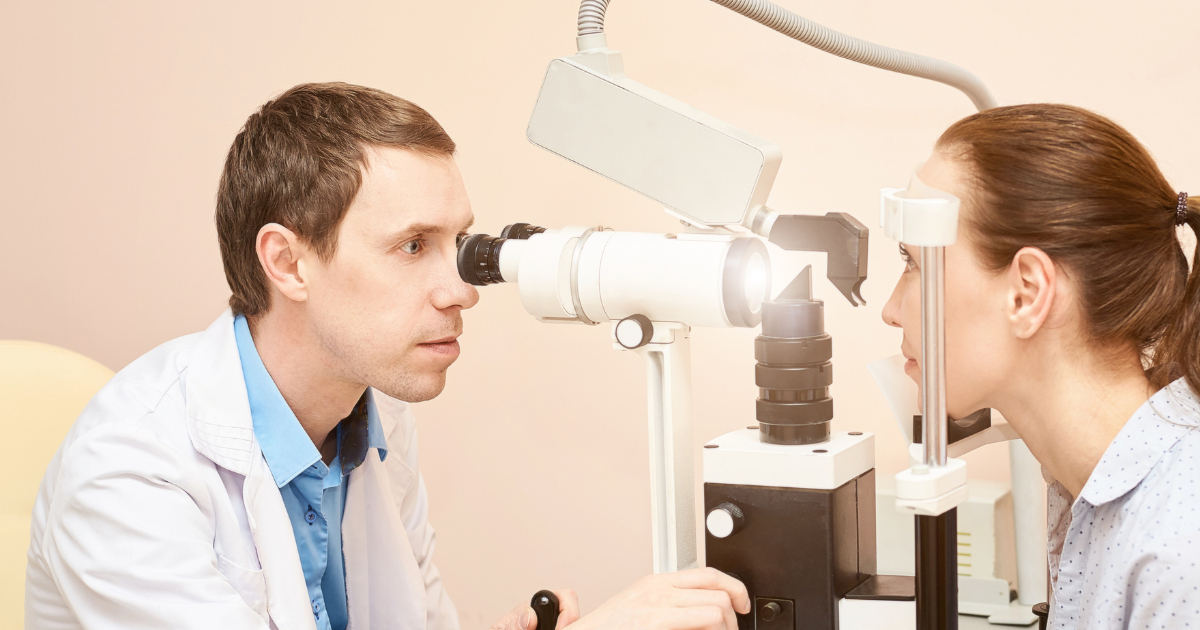
An optometric examination can evaluate:
- Distance and near visual acuity
- The child’s refractive prescription
- Eye focusing and coordination
- Eye movement and alignment
- The health of internal and external eye structures
- Family and medical history
- Risk factors for future progression
A myopia-management evaluation may also include measurements that help the doctor monitor changes over time. Repeated information is valuable because one appointment shows the child’s status only at that moment.
Myopia Correction and Myopia Control Are Different
Regular eyeglasses and contact lenses move the visual focus onto the retina, allowing the child to see clearly. This is vision correction.
Myopia control uses specialized optical or prescription approaches intended to influence progression while still providing clear vision. It does not permanently reverse myopia, shorten an elongated eye, or guarantee that the prescription will stop changing.
Results vary between children. Follow-up appointments allow the optometrist to evaluate whether the selected method is working as expected and whether the plan should be adjusted.
Specialized Myopia-Control Glasses
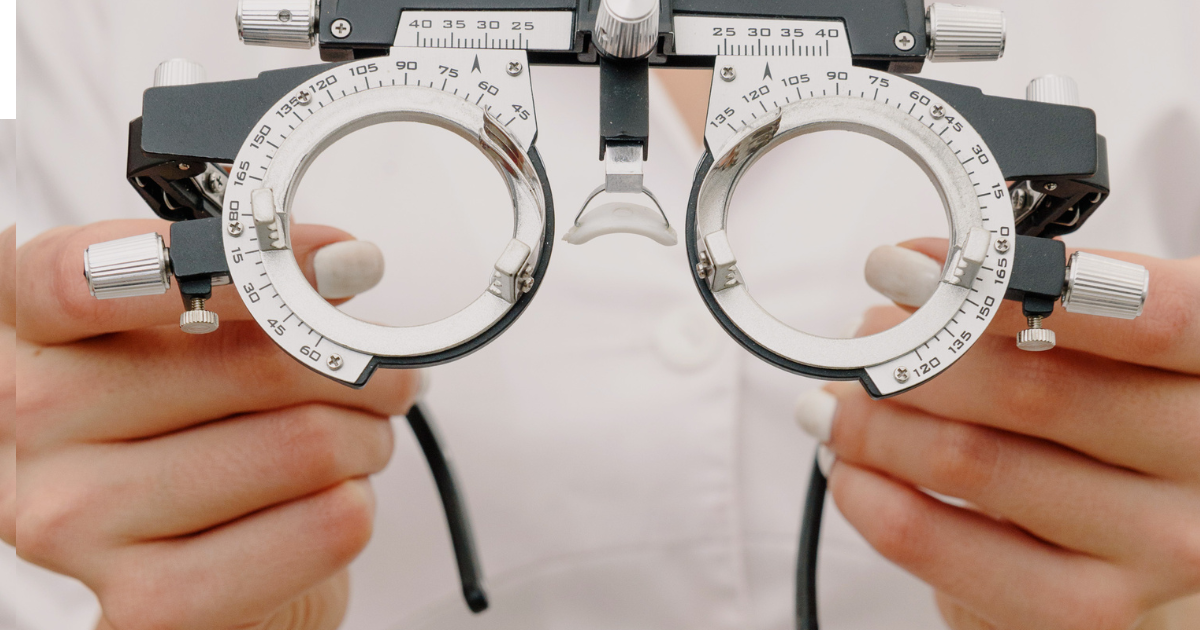
Specialized spectacle lenses can be an appealing option for younger children and those who are not ready to handle contact lenses. They look like ordinary glasses but use a lens design intended to provide clear central vision while influencing how peripheral light reaches the eye.
In September 2025, the U.S. Food and Drug Administration authorized Essilor Stellest lenses to correct myopia and slow its progression in eligible children who begin treatment between ages 6 and 12.
Glasses may be easier for some families because they avoid inserting and removing contact lenses. However, consistent wear, proper frame fit, and regular monitoring remain important.
Children should be taught to handle their glasses carefully and report persistent blur, halos, discomfort, or difficulty adapting to the lens design.
MiSight Daily Disposable Contact Lenses
MiSight 1 Day lenses are soft daily disposable contact lenses specifically designed to correct myopia and slow progression in eligible children.
The FDA approval for MiSight 1 Day covers children who begin treatment from ages 8 through 12 and meet the labeled prescription and eye-health criteria. The lenses are discarded after each removal rather than cleaned and stored for reuse.
Daily disposables can simplify care, but children still need the maturity and support to follow safe handling instructions. They should wash and dry their hands before touching lenses, avoid water exposure, and never share contacts.
Parents may need to supervise insertion and removal until the child demonstrates reliable habits. Redness, pain, discharge, light sensitivity, or sudden blurred vision requires prompt removal of the lens and contact with an eye-care professional.
Orthokeratology Provides Daytime Freedom From Lenses
Orthokeratology, frequently shortened to ortho-k, uses specially designed rigid contact lenses worn during sleep. The lenses temporarily reshape the front surface of the eye so the child can generally see clearly during the day without ordinary glasses or contacts.
Ortho-k can be especially attractive to children involved in sports, dance, or other activities where daytime eyewear feels inconvenient. It can provide vision correction while also serving as a myopia-management strategy for appropriately selected patients.
Because the lenses are worn overnight, hygiene is essential. The child and parents must follow instructions for cleaning, disinfection, insertion, removal, storage, and replacement.
Ortho-k is not permanent vision correction. The cornea gradually returns toward its original shape when lens wear stops, so consistent use and professional monitoring are necessary.
Low-Dose Atropine Eye Drops
Low-dose atropine is another option used by eye doctors to manage childhood myopia. The prescription drops are generally placed in the eyes on a regular schedule while the child continues wearing glasses or other vision correction.
Atropine use for myopia management is generally considered an off-label application in the United States. Off-label prescribing is a recognized part of medical practice, but families should understand the purpose, concentration, expected benefits, and possible side effects.
Potential effects can include light sensitivity and difficulty focusing at near, although the likelihood and intensity depend partly on the concentration used. Parents should follow the prescribed dosing instructions and keep the medication where younger children cannot access it.
Outdoor Time Supports the Overall Plan
Spending time outdoors is associated with a lower likelihood of developing myopia and may support a broader childhood eye-health plan. Outdoor activity should complement professional care rather than replace treatment after progressive myopia has been identified.
Practical habits include:
- Encouraging regular outdoor play during daylight hours
- Building short breaks into prolonged reading or homework
- Keeping screens at a comfortable distance
- Avoiding recreational screens when they replace active outdoor time
- Using appropriate lighting for close work
- Scheduling routine eye examinations
The goal is not to eliminate books, homework, or technology. It is to create a balanced routine that includes distance viewing, physical activity, and time away from continuous close focus.
How the Doctor Selects a Treatment
No single method is automatically best for every child. The recommendation may depend on:
- The child’s age and current prescription
- How quickly myopia has progressed
- Corneal shape and overall eye health
- Ability to handle contact lenses safely
- Participation in sports and other activities
- Comfort with glasses, contacts, or eye drops
- Family preferences and budget
- Availability for follow-up appointments
Some children may begin with glasses and transition to contact lenses later. Others may benefit from a different method or a combination plan when supported by the optometrist’s evaluation.
Parents should ask why a particular option is being recommended and what outcome will be used to evaluate progress.
Follow-Up Is an Essential Part of Treatment
Myopia management is not a product purchased once. It is an ongoing clinical program.
Follow-up visits may evaluate visual acuity, prescription changes, eye health, contact-lens fit, corneal response, treatment adherence, and other measurements. The schedule depends on the chosen method and the child’s needs.
Bring up problems early rather than waiting until the next routine appointment. A child may not volunteer that lenses are uncomfortable or that vision has changed, so parents should ask specific questions about school, sports, reading, and lens wear.
Myopia Management at Oasis Optometry
Oasis Optometry is a family-owned eye-care practice located at 7041 Schaefer Avenue, Suite E, in Chino, California. The practice provides comprehensive and pediatric eye care along with specialty services for progressive myopia.
Its confirmed myopia-control options include FDA-authorized Stellest spectacle lenses, MiSight 1 Day contact lenses, orthokeratology, low-dose atropine therapy, and lifestyle guidance involving outdoor activity and screen habits.
The practice evaluates each child individually and recommends a plan based on age, prescription, eye health, progression, and readiness for the responsibilities associated with treatment.
Early Attention Creates More Options
Children with myopia need clear vision now, but they may also benefit from a strategy addressing how their prescription changes over time. Parents do not need to wait until the prescription becomes severe before asking about management.
Schedule a comprehensive examination when a child begins squinting, struggles with distance tasks, or experiences frequent prescription changes. If myopia is confirmed, ask about the progression rate, available treatment choices, monitoring schedule, expected benefits, risks, and responsibilities.
Myopia cannot always be stopped, and no method works identically for every patient. Early evaluation and consistent follow-up nevertheless give families the opportunity to make informed decisions while the child’s eyes are still developing.