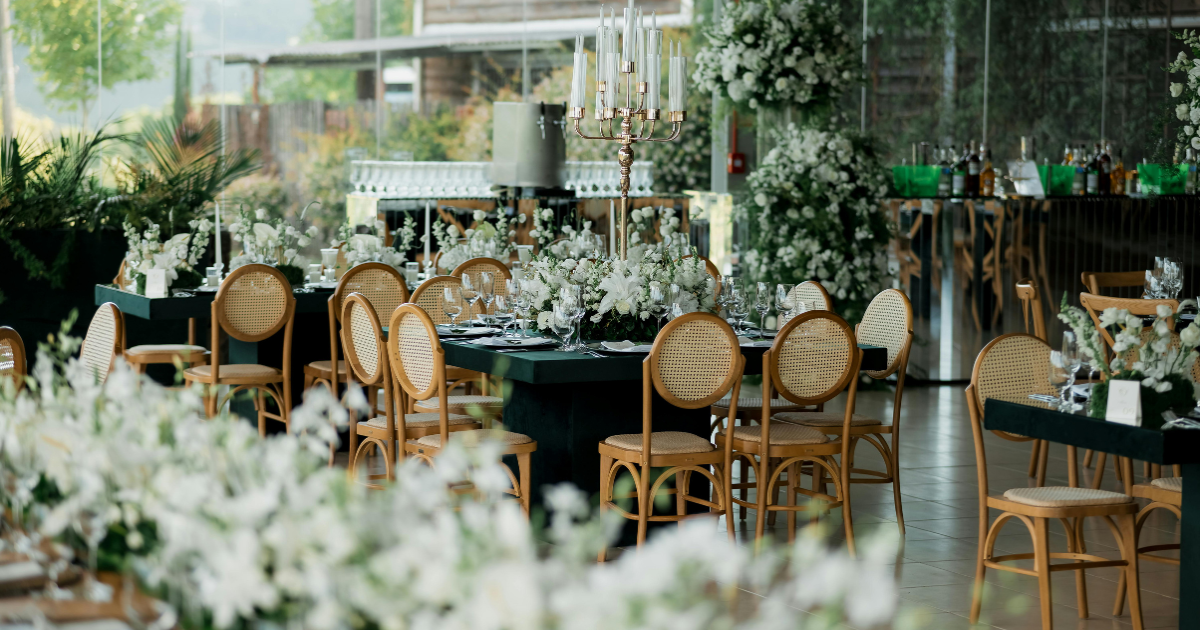
Choosing the right wedding venue in Jacksonville, FL gives couples a reliable foundation for planning the ceremony, reception, guest experience, vendor schedule, and countless details that must come together on one day.
A venue is more than the background in wedding photographs. Its layout influences how guests move, where vendors work, how the timeline develops, and what happens if the weather changes. Even beautiful spaces can create planning challenges when couples do not ask practical questions before signing an agreement.
The best venue tour balances emotion with careful evaluation. Enjoy the architecture and imagine the celebration—but also inspect the entrances, indoor alternatives, preparation areas, restrooms, parking, and spaces your vendors will use.
Define the Wedding Before Touring Venues
Couples often begin looking at venues before agreeing on the basic structure of the wedding. This can make every property seem either too large, too expensive, or impossible to compare.
Before scheduling tours, establish:
- An estimated guest count
- A preferred month or season
- Whether the ceremony and reception will share one property
- The desired indoor, outdoor, or combined format
- A realistic total wedding budget
- The preferred formality and visual style
- Any cultural, religious, or family traditions requiring special space
- Important accessibility needs
The guest count does not need to be final, but a reasonable estimate helps the venue recommend appropriate spaces and layouts.
Consider Hosting the Ceremony and Reception Together
Holding the ceremony and reception at one venue can simplify transportation and reduce the number of transitions guests must navigate. It may also make photography, vendor setup, and the wedding-day timeline easier to coordinate.
However, the two parts of the celebration still need distinct plans. Ask where the ceremony will occur, how the space will be prepared, and what guests will do during any transition before the reception.
A venue with several separate settings may allow couples to move naturally from one experience to another. For example, the ceremony might take place in a chapel or courtyard, followed by cocktails in a lobby or covered space and dinner in a banquet hall.
During the tour, walk the route exactly as a guest would. Notice distances, stairs, door widths, lighting, signage needs, and possible bottlenecks.
Evaluate Indoor and Outdoor Wedding Spaces
Outdoor ceremonies can feel open, romantic, and closely connected to the landscape. They are also affected by rain, wind, heat, humidity, insects, and changing light.
Jacksonville couples should discuss a weather plan at the beginning of the venue search rather than treating it as an unpleasant possibility. The National Weather Service office for Jacksonville provides local forecasts and regional weather information, while NOAA’s hurricane-preparedness resources explain how coastal communities can prepare for tropical weather.
Ask the venue:
- Which indoor space serves as the weather backup?
- When is the final indoor-or-outdoor decision made?
- Who has authority to make that decision?
- Can the backup comfortably support the planned guest count?
- How will outdoor furniture, décor, and equipment be protected?
- Are covered areas available during a brief shower?
- What happens during extreme heat, lightning, or high winds?
A proper backup should feel like an acceptable second plan, not an empty room chosen only because nothing else is available.
Compare Spaces by Function, Not Just Appearance
Each part of a venue should solve a particular planning need. A beautiful room becomes more useful when couples understand how it will function during the event.
Banquet hall
The main reception room should support dining, dancing, speeches, entertainment, and comfortable circulation. Ask to see sample layouts for a guest count similar to yours.
Courtyard
A courtyard can host a ceremony, cocktail hour, portraits, or a quiet place for guests to gather. Confirm lighting, power access, weather procedures, and sound restrictions.
Chapel
A dedicated chapel creates a defined ceremony setting and may reduce the amount of décor required. Check seating arrangements, the processional route, audio capabilities, and photography positions.
Covered outdoor space
A covered pavilion or airnasium can provide airflow and protection from direct sun or light rain. Ask how the space performs during wind-driven rain and unusually hot or cold conditions.
Lobby and transition areas
Do not overlook the lobby. It may become the welcome area, guest-book station, cocktail space, gift-table location, or transition point between the ceremony and reception.
Study the Guest Experience
Guests experience a wedding as a sequence of small moments: arriving, finding parking, locating the ceremony, waiting between activities, moving to dinner, and leaving safely.
Consider whether the venue provides clear access for older adults, children, and guests with mobility limitations. The Americans with Disabilities Act guidance for businesses open to the public explains accessibility responsibilities involving facilities and services.
During the tour, inspect:
- Parking and drop-off locations
- Accessible routes and entrances
- Restroom placement
- Distance between event spaces
- Indoor waiting areas
- Lighting along outdoor walkways
- Space for mobility devices and service animals
- Transportation access for rideshare or shuttle vehicles
Ask affected guests directly about their needs instead of assuming one standard solution works for everyone.
Understand the Vendor Policy
Some venues require couples to use an exclusive list of caterers, planners, rental companies, or other vendors. Others provide recommendations while allowing outside professionals.
A flexible vendor policy gives couples more choice, but that freedom also creates responsibility. Each outside vendor may need to provide insurance, licenses, arrival information, equipment specifications, and contact details.
Request a written explanation of:
- Required and optional vendors
- Approval procedures for outside companies
- Insurance requirements
- Setup and breakdown times
- Kitchen or catering access
- Alcohol-service requirements
- Power, loading, and storage limitations
- Cleanup and waste-removal responsibilities
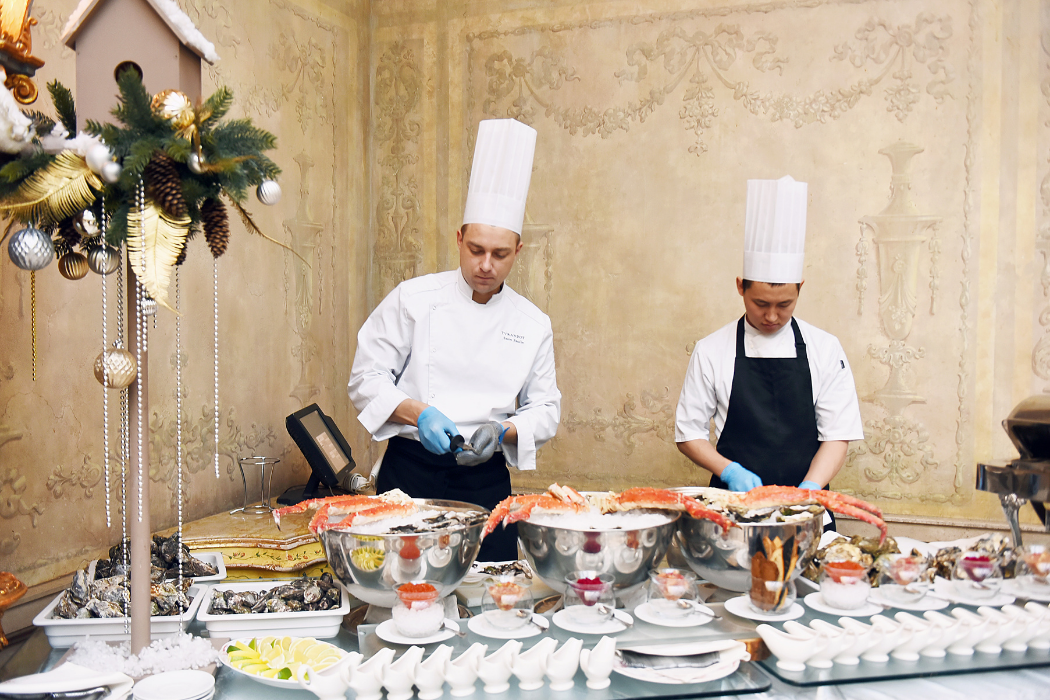
If food will be prepared or served, review how the caterer manages temperature control, allergens, sanitation, and leftovers. The Centers for Disease Control and Prevention provides general food-safety guidance covering contamination and foodborne illness prevention.
Ask Exactly What the Rental Includes
Venue pricing can be difficult to compare because every property structures rentals differently. One price may include tables, chairs, setup, staff, and several spaces, while another covers only access to the building.
Before comparing totals, ask for a written list of included and excluded items. Possible questions include:
- Which rooms and outdoor areas are included?
- How many rental hours are provided?
- Is rehearsal time included?
- Are tables, chairs, linens, or décor included?
- Who performs setup and breakdown?
- Is security required?
- Are cleaning fees, deposits, taxes, or service charges additional?
- What overtime fees apply?
- Are preparation rooms available?
- Is event insurance required?
A lower base price does not always produce a lower final cost. Compare complete event scenarios rather than only the first number on a pricing sheet.
Read the Contract Before Paying a Deposit
A venue agreement should explain the date, rental period, payment schedule, included spaces, cancellation terms, damage responsibilities, and rules governing the event.
Review provisions covering:
- Date changes and cancellations
- Refundable and nonrefundable payments
- Weather disruptions
- Force majeure events
- Vendor damage
- Alcohol service
- Decorations and open flames
- Noise and end-time restrictions
- Guest-count deadlines
- Required insurance
The Federal Trade Commission’s consumer guidance encourages people to research businesses, understand agreements, and avoid pressure to make payments before verifying important details.
Ask for clarification in writing when a term is unclear. For significant financial commitments or unusual contract provisions, couples may wish to consult a qualified legal professional.
Build a Realistic Wedding-Day Timeline
A venue timeline should include far more than the ceremony and reception. Vendors need access before guests arrive, and the event team needs time after the celebration ends.
A working timeline may include:
- Venue access and vendor arrival
- Rental and décor setup
- Catering preparation
- Wedding-party arrival
- Photography before the ceremony
- Guest arrival and seating
- The ceremony
- Cocktail hour or room transition
- Reception entrance and dinner
- Speeches, dances, and entertainment
- Final departure
- Vendor breakdown and cleanup
Add small buffers instead of scheduling every activity back-to-back. A delayed shuttle, difficult bustle, extended family photo, or catering adjustment should not derail the entire evening.
Plan the Marriage License Separately
Booking a wedding venue does not automatically complete the legal marriage process. Couples are responsible for following applicable licensing and ceremony requirements.
The Duval County Clerk of Courts provides current local information about marriage-license applications, identification, waiting periods, fees, and ceremony options. Review the official requirements well before the wedding and confirm who will return the completed license after the ceremony.
Wedding Spaces at St. John Event Center
St. John Event Center is located at 12760 Beach Boulevard in Jacksonville, Florida. The venue hosts wedding ceremonies and receptions ranging from intimate celebrations to larger gatherings.
Its park-like property features Grecian-inspired architecture and several adaptable indoor and outdoor settings. Confirmed spaces include the banquet hall, courtyard, chapel, airnasium, and lobby, allowing couples to create distinct settings for different parts of the celebration.
The venue offers a flexible vendor policy. Couples may choose professionals from its Vendor Collective or bring their own vendors, subject to the venue’s event requirements. Its team also provides planning support and helps couples personalize the property around their wedding vision.
Tours are available by appointment, giving couples an opportunity to explore the event spaces, discuss availability, review pricing, and ask questions about ceremony and reception logistics.
Choose a Venue That Supports the Entire Celebration
A wedding venue should look beautiful, but appearance is only one part of the decision. The strongest choice also supports the guest count, vendor team, accessibility needs, weather plan, timeline, and budget.
Take photographs during the tour, request sample layouts, and keep notes about what each rental includes. Visit the backup ceremony location, inspect the guest route, and read the agreement before making a payment.
When the venue works practically as well as visually, couples can spend less time solving logistical problems and more time creating a celebration that feels personal, comfortable, and memorable.