Why Personalized Facial Planning Produces a More Thoughtful Skin-Care Experience
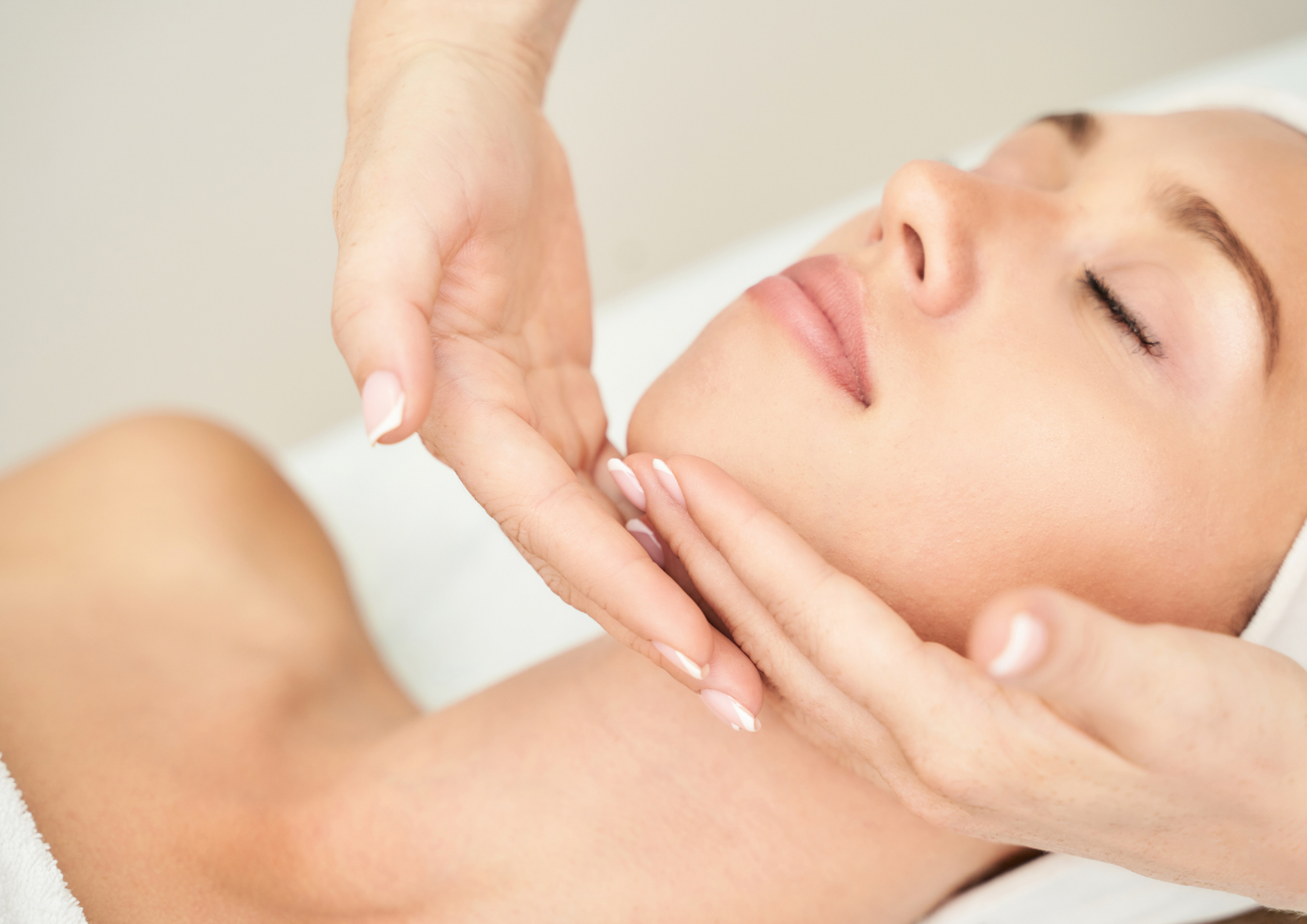
Customized facial balancing begins with the recognition that skin rarely fits neatly into a single category. A person may experience oiliness through the center of the face, dryness around the cheeks, visible congestion in one area, and sensitivity in another. Treating every section identically may overlook the way these concerns interact.
A well-planned facial therefore functions less like a fixed package and more like a responsive service. The provider evaluates the skin, discusses the client’s routine and priorities, and selects appropriate steps without assuming that more products or stronger exfoliation will produce a better result.
What Does “Balancing” Mean in a Facial?
In this context, balancing does not mean forcing every complexion toward an artificial idea of perfection. It means adjusting the treatment so that cleansing, exfoliation, extraction, hydration, and finishing products correspond to the skin’s current condition.
That distinction matters because several concerns can exist at the same time. Skin that feels oily may still be dehydrated. A client concerned about clogged pores may also have areas that react easily. Someone seeking a brighter appearance may already be using active ingredients that increase sensitivity.
A customized approach may account for:
- Dry, oily, combination, or sensitive tendencies
- Visible congestion and areas prone to clogged pores
- Uneven-looking texture or dullness
- Current redness or signs of irritation
- Recent sun exposure
- Home products and prescription topical medications
- Previous reactions to ingredients or treatments
- Upcoming events and acceptable recovery time
The goal is to make informed choices for that visit rather than repeating the same procedure simply because it worked at another time.
The Consultation Is a Form of Risk Management
In any professional service, gathering accurate information before beginning reduces avoidable problems. A facial consultation serves this practical purpose while helping the provider understand what the client hopes to improve.
Discuss the current routine
Clients should share the cleansers, moisturizers, exfoliants, serums, acne products, retinoids, and prescription medications they use. Product photographs can be helpful when names or concentrations are difficult to remember.
This information gives the provider a clearer picture of the skin’s recent exposure. Combining several exfoliating products or procedures without considering the total routine may increase dryness or irritation.
Share recent treatments and health information
Recent waxing, laser services, chemical peels, injectables, sunburn, or other procedures may affect what is appropriate. Clients should also disclose allergies, pregnancy, current skin infections, open areas, and relevant medical guidance. A qualified provider can then determine whether to modify the facial, postpone a step, or recommend medical evaluation.
Define one or two realistic priorities
Trying to address every concern in one visit can lead to an overly aggressive treatment. A clearer plan might prioritize hydration and comfort first, then reconsider stronger exfoliation after observing how the skin responds.
A Facial Should Be Built in Logical Stages
Although techniques differ, customized facials often follow a structured sequence. Each stage provides information that can influence what happens next.
Cleansing
Cleansing removes makeup, sunscreen, surface oils, and environmental residue so the skin can be assessed more accurately. It should prepare the skin without leaving it feeling painfully tight or stripped.
The American Academy of Dermatology’s guidance for healthier-looking skin recommends gentle cleansing and discourages harsh scrubbing. It also emphasizes choosing products that correspond to the individual’s skin needs.
Assessment
After cleansing, the provider can look more closely at texture, congestion, dryness, and sensitivity. This is an opportunity to adjust the original plan. Professional judgment includes knowing when to reduce intensity, omit a step, or avoid treating a visibly irritated area.
Exfoliation
Exfoliation removes some of the dead cells at the skin’s surface. Depending on the client and service, this may involve a physical, enzymatic, chemical, or device-assisted method. The appropriate choice depends on skin condition, recent treatments, home products, and the provider’s scope of practice.
The AAD’s resource on safe exfoliation explains that the right method varies by skin type and that aggressive exfoliation may cause irritation or increased redness. That principle remains relevant in professional care: treatment intensity should be matched to the person rather than selected for dramatic sensation.
Extraction
When appropriate, extractions may address certain types of visible congestion. They should not become a contest to remove every bump. Excessive pressure can injure the skin and increase inflammation.
The American Academy of Dermatology cautions against squeezing acne lesions at home and explains why acne extraction is safest when performed by a trained professional. Persistent, painful, widespread, or scarring acne should be assessed by a dermatologist rather than treated solely as a cosmetic concern.
Hydration and finishing care
Moisturizing products can help support comfort after cleansing and exfoliation. Finishing care should also consider the time of day, expected sun exposure, and the client’s tolerance for layered products.
Stronger Is Not Always More Effective
Clients sometimes judge a facial by how much tingling, peeling, redness, or tightness they experience. Those sensations are not reliable measures of quality. A treatment can be carefully designed even when it feels gentle and produces little visible recovery.
Chemical exfoliants deserve particular attention. Products containing alpha hydroxy acids may increase sensitivity to sunlight. The U.S. Food and Drug Administration’s guidance on alpha hydroxy acids discusses the importance of sun-protection information on relevant cosmetic labels.
Clients should ask which exfoliating ingredients are being used, what sensations are expected, and what should prompt immediate communication. Significant burning or rapidly increasing discomfort should not be silently tolerated.
How to Prepare for a Personalized Facial
A little preparation makes consultation more useful and may reduce unnecessary irritation.
- List the products used during the previous week. Include prescription and over-the-counter products, not just basic cleanser and moisturizer.
- Report recent procedures. Mention waxing, peels, laser treatments, dermaplaning, injectables, and other services.
- Avoid arriving with sunburned or actively injured skin. Contact the provider in advance if the skin has changed since booking.
- Bring questions about recovery. Ask whether temporary redness, flaking, or sensitivity may occur.
- Explain upcoming plans. Travel, outdoor activities, photographs, and major events may influence treatment timing.
- Set a practical goal. Focus on what matters most now rather than requesting every available enhancement.
Aftercare Should Be Simple and Specific
The hours and days after a facial are not the ideal time to test a large collection of new active products. Aftercare should reflect the actual treatment received, but a provider may recommend a simplified routine centered on gentle cleansing, moisturizing, and sun protection.
Useful questions include:
- When can I resume my usual exfoliants or retinoids?
- Which products should I avoid temporarily?
- What level of redness or sensitivity is expected?
- When may I exercise, swim, apply makeup, or schedule another service?
- What symptoms should prompt me to contact the provider?
- When should I seek medical care rather than cosmetic advice?
Daily sun protection remains central to long-term skin care. The AAD recommends broad-spectrum, water-resistant sunscreen with an SPF of 30 or higher as part of its general healthy-skin guidance. Clients should follow individualized medical advice when they have allergies, diagnosed skin conditions, or other special considerations.
Clean Practices Are Part of Treatment Quality
A facial involves repeated contact with the client’s skin, products, towels, containers, and implements. Clean hands, organized product handling, fresh linens, and appropriate surface disinfection are therefore fundamental parts of the service.
The Centers for Disease Control and Prevention describes hand hygiene as an effective way to reduce the spread of germs in workplaces. Product handling also matters. The FDA’s cosmetic microbiological safety guidance notes that cosmetics can become contaminated through factors such as storage conditions and consumer practices, including dipping fingers into products.
For work surfaces and reusable items, disinfectants must be appropriate for the intended use and applied according to their labels. The Environmental Protection Agency explains that label directions include where a disinfectant can be used and how long a surface must remain wet for the required contact time.
When a Facial Is Not the Right Next Step
Cosmetic facials can support surface cleansing, hydration, and the appearance of the skin, but they do not replace medical diagnosis or treatment. A client should consider speaking with a board-certified dermatologist when experiencing persistent rashes, suspicious or changing spots, severe acne, unexplained swelling, signs of infection, or continuing irritation.
A responsible provider should be comfortable working within professional limits. Recommending medical evaluation when necessary is not a failure to provide service. It is evidence of sound judgment.
Evaluate the Entire Service, Not Just the Immediate Glow
The appearance of the skin immediately after a facial tells only part of the story. A meaningful evaluation also considers comfort, recovery, clarity of aftercare, and whether the recommendations fit the client’s routine.
Questions worth asking afterward include:
- Did the provider listen before selecting treatment steps?
- Were product choices and expected sensations explained?
- Did the service remain within a comfortable level of intensity?
- Were home-care instructions clear and manageable?
- Did the provider distinguish cosmetic concerns from issues requiring medical care?
- Was there a sensible plan for future visits without unnecessary pressure?
At Radiant Skin, customized facials are described as including cleansing, exfoliation, extraction, and moisturizing, with treatment plans tailored to individual needs. Depending on the client and selected service, the facial may also incorporate techniques such as dermaplaning, superficial peels, hydradermabrasion, or oxygen-based care.
Personalization Makes Skin Care More Sustainable
A thoughtful facial is not defined by the greatest number of steps or the strongest available products. It is defined by appropriate decisions made in the correct sequence. Consultation establishes priorities, assessment guides technique, and aftercare connects the professional service to daily life.
When clients understand why each step was chosen, they are better prepared to care for their skin between visits. That education may be the most valuable part of a customized service. Instead of chasing every trend, the client gains a clearer, more sustainable approach based on current needs, measured adjustments, and realistic expectations.