How to Turn an Eye Exam Into a Better Everyday Vision Plan
How to Turn an Eye Exam Into a Better Everyday Vision Plan Effective routine eye care becomes more useful when patients connect clinical testing with…

In today’s healthcare landscape, preventive care is more important than ever, and eye health is no exception. What was once considered a routine vision check has evolved into a detailed and data-driven process that supports both ocular and overall health.
Patients looking for a comprehensive eye exam in Hartland, WI are now accessing a level of care that goes far beyond updating prescriptions, offering early detection, advanced diagnostics, and long-term health insights.
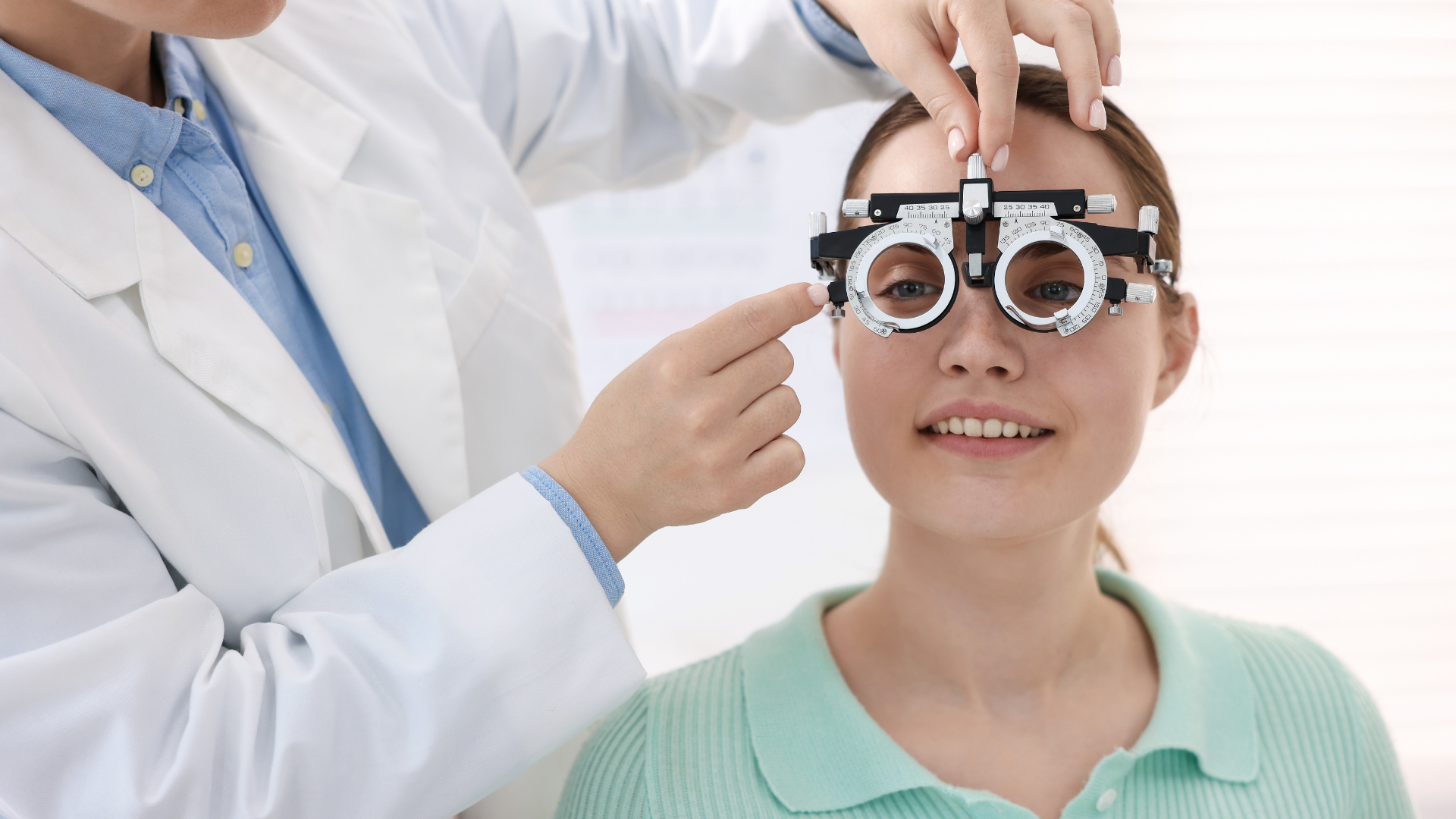
Traditional eye exams primarily focused on determining how clearly a person could see. While that remains an essential component, modern comprehensive exams now include a wide range of evaluations that assess the full health of the eye.
Clinicians examine internal structures such as the retina and optic nerve, allowing them to identify early signs of potential issues. This shift reflects a broader move toward proactive healthcare.
By detecting changes early, patients have more opportunities to manage conditions before they progress.
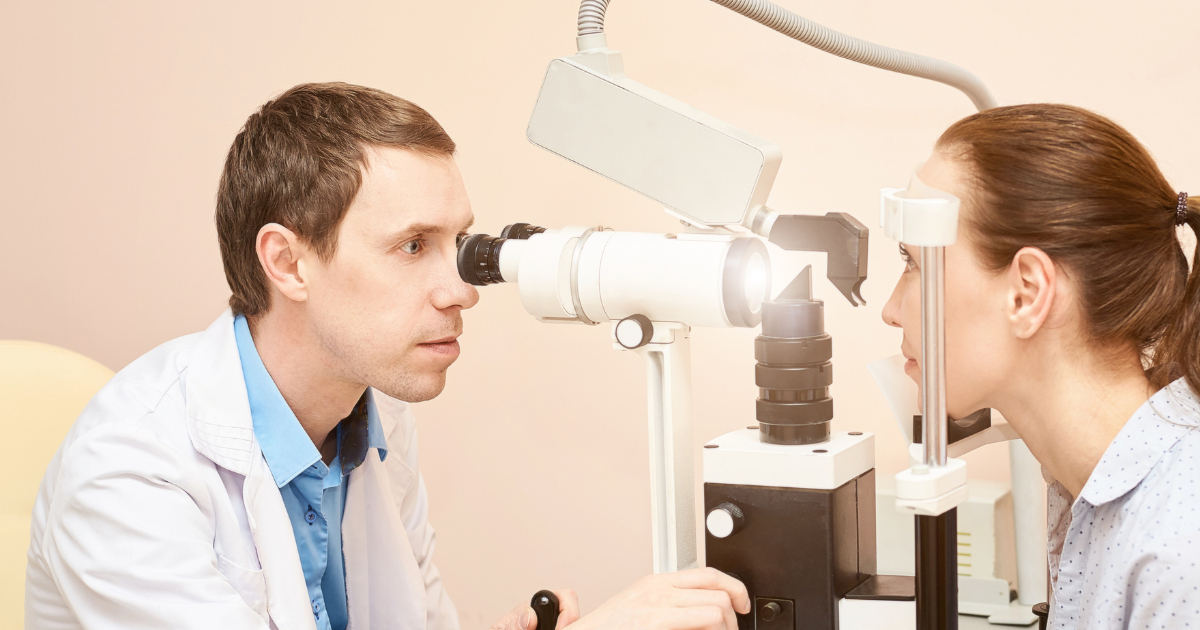
One of the most important developments in eye care is the use of advanced diagnostic tools. Technologies such as retinal imaging and optical coherence tomography provide highly detailed views of the eye’s internal structures.
These tools allow clinicians to detect subtle abnormalities that may not be visible through traditional methods. Early signs of conditions like glaucoma or macular degeneration can be identified before symptoms appear.
According to research on eye examination methods, advanced imaging significantly improves diagnostic accuracy and supports earlier intervention.
Preventive care has become a cornerstone of modern healthcare, and comprehensive eye exams play a key role in this approach. Many eye conditions develop gradually and without noticeable symptoms.
Routine exams allow clinicians to identify these issues at an early stage, reducing the risk of long-term complications. Early detection is particularly important for preserving vision and maintaining quality of life.
This proactive strategy aligns with the growing emphasis on prevention across the healthcare industry.
The eyes can reveal valuable information about overall health. During a comprehensive exam, clinicians may detect signs of systemic conditions such as diabetes, high blood pressure, and even neurological disorders.
This makes eye exams an important part of a broader health strategy. Identifying these indicators early allows patients to seek additional medical care when necessary.
The integration of eye care with general health monitoring highlights its increasing importance.
Modern eye exams are tailored to the individual. Factors such as age, lifestyle, and medical history are considered when designing a comprehensive evaluation.
For example, patients who spend significant time using digital devices may receive guidance on managing eye strain. Others may require specialized testing based on their risk factors.
This personalized approach ensures that each patient receives care that is both relevant and effective.
Technological advancements have also made eye exams more efficient. Automated testing systems and digital workflows reduce appointment times while maintaining a high level of accuracy.
Patients benefit from quicker, more comfortable visits, while clinicians can focus more on providing quality care and answering questions.
This improved efficiency makes it easier for individuals to prioritize regular eye exams.
While technology plays a major role, the expertise of the provider remains essential. Skilled clinicians interpret diagnostic data, identify patterns, and develop appropriate care plans.
Working with a trusted provider such as Theia Vision Care ensures that patients receive comprehensive care supported by both advanced tools and professional experience.
This combination of innovation and expertise is key to achieving accurate diagnoses and effective outcomes.
Despite the importance of comprehensive eye exams, some individuals delay appointments due to busy schedules or lack of symptoms. However, many eye conditions do not present noticeable warning signs in their early stages.
Increasing awareness about the benefits of preventive care is helping to address these barriers. Improved accessibility and streamlined scheduling options also make it easier for patients to prioritize their eye health.
Encouraging regular exams is essential for long-term vision preservation.
The future of eye care is expected to be shaped by continued advancements in technology. Artificial intelligence and machine learning are beginning to play a role in analyzing imaging data and identifying patterns.
These innovations have the potential to further improve diagnostic accuracy and enable earlier detection of conditions. As these technologies become more widely adopted, the standard of care will continue to evolve.
Patients can expect more precise, efficient, and personalized care in the years ahead.
Comprehensive eye exams have become an essential part of modern preventive healthcare. Through advanced diagnostics, personalized care, and early detection strategies, these exams provide valuable insights into both eye health and overall wellness.
By making regular eye exams a priority, individuals can protect their vision and improve their long-term health outcomes. The integration of technology and professional expertise ensures that modern eye care continues to deliver meaningful results.
As healthcare continues to evolve, comprehensive eye exams will remain a key component of maintaining both vision and overall well-being.