How to Evaluate Hair Extensions as a Long-Term Beauty Investment
Professional hair extensions should be evaluated as an ongoing service rather than a single transformation. The initial installation may create the most visible change, but consultation quality, method selection, maintenance, home care, and removal ultimately determine whether the experience remains practical.
Extensions can add length, increase fullness, support certain styles, or introduce visual dimension without permanently changing all of the natural hair. However, successful results require more than choosing a color from a catalog. Clients need a plan that accounts for hair condition, lifestyle, budget, and the amount of upkeep they are prepared to manage.
Start With the Goal, Not the Method
Extension terminology can quickly become confusing. Clients may hear about tape-ins, bonded extensions, wefts, hand-tied applications, clip-ins, and other systems before anyone has clarified what they actually want to accomplish.
A stronger consultation begins with the desired result:
- Adding noticeable length throughout the hair
- Creating fullness in areas that appear thin
- Improving the shape of a haircut without waiting for growth
- Adding temporary volume for an event
- Introducing color or dimension with less chemical processing
- Making certain updos or braided styles easier to create
Once the objective is clear, the stylist can explain which available methods may be appropriate. This order matters because no single extension system is automatically the best choice for everyone.
What a Detailed Consultation Should Cover
A professional assessment should include the natural hair and the client’s daily routine. Density, strand strength, scalp condition, previous chemical services, and current breakage can all affect whether extensions are advisable and how much added weight the hair may reasonably support.
Natural hair condition
The stylist should examine the hairline, parting areas, ends, and sections where extensions may be attached. Hair that is actively breaking, unusually fragile, or experiencing unexplained shedding may not be ready for additional tension.
The American Academy of Dermatology’s extension safety guidance advises getting natural hair into good condition before wearing extensions. It also emphasizes seeing a professional and speaking up if an installation feels painful or excessively tight.
Lifestyle and styling habits
Exercise, swimming, frequent travel, work requirements, and preferred hairstyles can influence method selection. Someone who regularly wears high ponytails may need different placement from someone who usually wears the hair down. A client who spends considerable time in the water should ask how moisture, cleansing, and drying may affect the attachment points.
Maintenance expectations
Before installation, clients should understand how often the selected method generally needs professional attention. The schedule can vary according to the system, natural hair growth, product instructions, and the stylist’s assessment.
Maintenance is not an optional extra. As natural hair grows, attachment points move farther from the scalp. Timely adjustment or removal helps keep the installation manageable and gives the stylist an opportunity to assess the hair underneath.
Understanding Common Extension Categories
Methods differ in how they are installed, how long they are intended to be worn, and how they distribute weight. The following overview is educational rather than a recommendation for a particular system.
Temporary extensions
Clip-ins and similar removable pieces can provide occasional length or volume. They may suit clients who want flexibility for events or selected days rather than continuous wear. Correct placement still matters because repeatedly securing pieces to the same fragile areas may create stress.
Adhesive-based methods
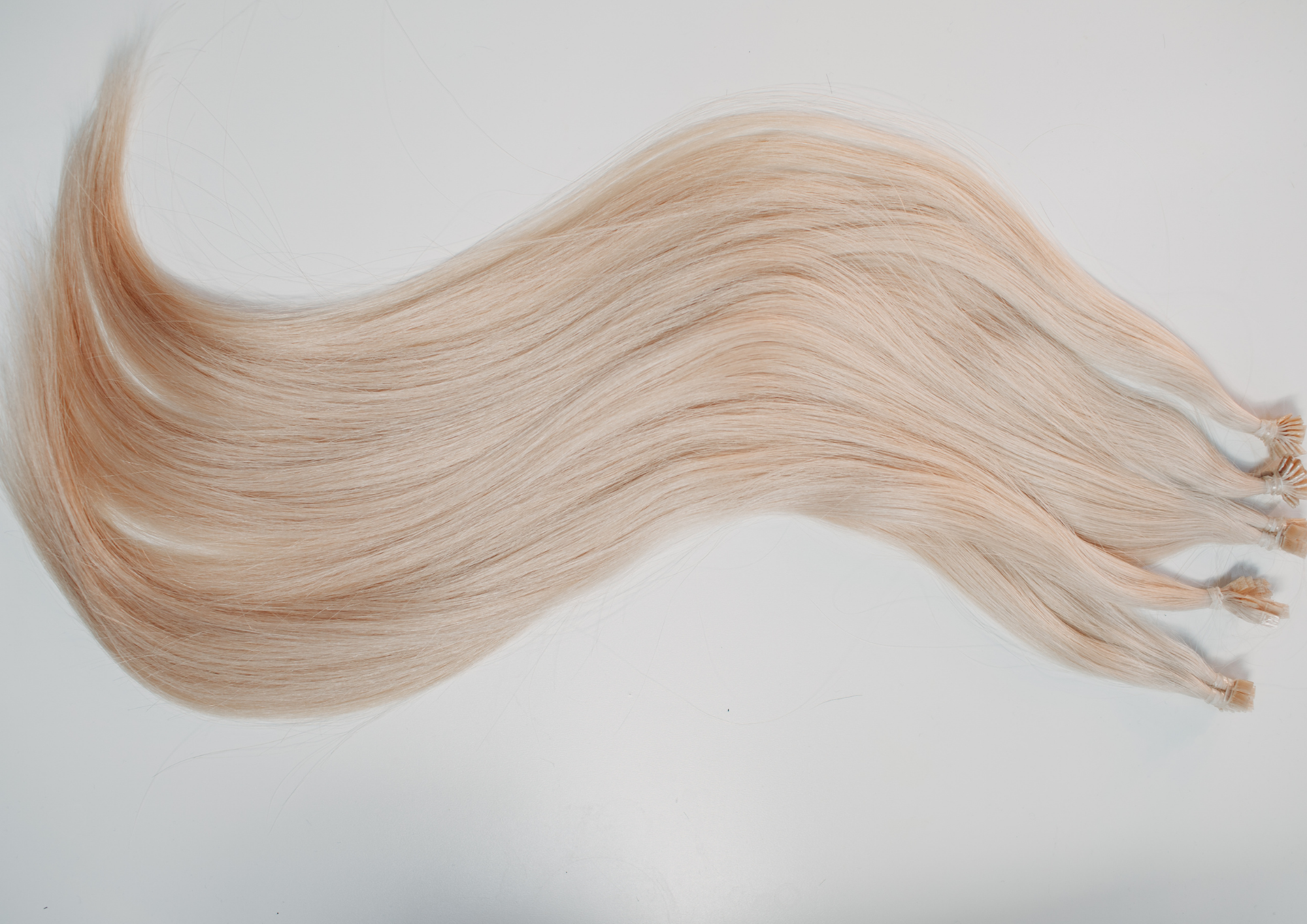
Tape-in systems generally use sections attached with adhesive tabs. They can create relatively flat attachment points, but their suitability depends on the hair, placement, product system, and maintenance habits. Oils and certain products near the attachments may affect performance, so clients need method-specific care instructions.
Bonded methods
Individual extension strands may be attached with keratin-based or other bonding systems. These methods allow detailed placement but require careful sectioning, controlled weight, and proper professional removal. Trying to pull, cut, or dissolve attachments at home can damage natural strands.
Weft-based methods
A weft consists of hair arranged along a track and attached using a method selected by the professional. Placement and weight distribution are especially important. Clients should understand how the rows will affect ponytails, parting options, scalp access, and everyday comfort.
Not every salon offers every method, and a larger menu does not necessarily indicate better service. Expertise with the recommended system is more important than the number of techniques advertised.
Color and Texture Matching Require Careful Judgment
A believable result depends on more than finding one similar shade. Natural hair often contains several tones, including brighter pieces, deeper areas, and variations between the roots and ends. Blending two or more extension colors may create a more dimensional match than selecting a single flat shade.
Color should also be assessed under useful lighting. Artificial salon light can alter how warm, cool, bright, or dark a shade appears. When practical, checking the match in natural light can reveal differences that are less visible indoors.
Texture matters just as much. Straight, wavy, curly, and coily hair respond differently to washing, humidity, and styling. Extensions that blend only after extensive daily heat styling may not be the most sustainable choice for someone seeking a simple routine.
The American Academy of Dermatology recommends choosing hair-care practices and products based on hair type. Applying that principle to extensions can make blending and maintenance more realistic.
Calculate the Total Commitment Before Deciding
The installation price represents only one part of the investment. A useful budget should account for the full period of wear.
- Initial hair and installation
- Professional maintenance or repositioning
- Blending cuts or color services when appropriate
- Recommended brushes, cleansers, and conditioning products
- Professional removal
- Replacement hair when existing pieces can no longer be reused
- Time required for washing, drying, detangling, and salon visits
Clients should request a written or clearly explained estimate of expected costs and schedules. A responsible provider will distinguish between what is known and what may change after observing retention, growth, and home-care habits.
This lifecycle perspective is common in sound purchasing decisions. The least expensive initial option may not be the lowest-cost choice if it requires more frequent replacement or does not fit the client’s routine.
Installation Should Not Be Painful
Some clients notice a new sensation immediately after extensions are installed, but sharp pain, persistent pulling, headaches, or significant scalp tenderness should not be treated as normal. These symptoms may indicate excessive tension or inappropriate placement.
Tight hairstyles and repeated pulling can contribute to traction alopecia. The American Academy of Dermatology’s information about traction alopecia explains that continued stress can damage follicles and, in advanced cases, lead to permanent hair loss.
The Mayo Clinic likewise identifies hairstyles that pull tightly as a possible cause of hair loss. Clients should tell their stylist promptly if an installation hurts rather than waiting for discomfort to become more severe.
Sudden shedding, patchy hair loss, scalp sores, persistent redness, or ongoing pain should be evaluated by a qualified healthcare professional. A stylist may recognize that something appears unusual, but diagnosing scalp and hair-loss conditions is outside the scope of a cosmetic service.
Home Care Protects Both the Extensions and Natural Hair
Care instructions differ by extension method, so generalized online advice should never replace guidance for the specific system installed. Still, several habits are broadly useful:
- Detangle patiently. Support the hair and work from the ends upward with the recommended brush or comb.
- Keep attachment areas orderly. Follow the stylist’s directions for preventing tangles and separating bonds, tabs, or rows.
- Clean the scalp appropriately. Avoid allowing oil, sweat, dry shampoo, or styling residue to accumulate.
- Dry thoroughly. Pay careful attention to concealed areas and attachment points according to professional instructions.
- Control heat exposure. Use suitable protection and avoid placing hot tools directly against attachments unless the product system specifically permits it.
- Secure hair gently for sleep. A loose braid or another recommended style may reduce tangling without creating excessive tension.
- Return on schedule. Do not stretch the maintenance period simply because the extensions still appear acceptable from the outside.
Rough brushing, excessive heat, and repeated tension can damage hair with or without extensions. The AAD’s guide to hair-care habits that may cause damage offers additional guidance on gentler washing, drying, detangling, and styling.
Professional Removal Is Part of the Service
Removal should be discussed before installation. Knowing the process in advance helps clients understand whether the hair can be reused, how long removal may take, and what condition the natural hair should be in afterward.
Picking at bonds, pulling apart adhesive tabs, cutting near attachment points, or leaving overgrown extensions in place can create unnecessary breakage. Professional removal uses the appropriate tools and products for the installed system.
After removal, some shed hairs may become visible. People naturally shed hair each day, and strands held within an attachment may not fall away until the extensions are removed. Even so, an unusual amount of loss, visible thinning, or scalp discomfort should not be dismissed without assessment.
Quality Standards Extend Beyond the Finished Photograph
Before choosing a provider, clients can ask questions that reveal how the service is managed:
- Which methods do you specialize in, and why might one suit my hair?
- How do you determine the safe amount of added weight?
- What maintenance schedule should I expect?
- Which costs are included in the initial service?
- What products should be avoided near the attachments?
- How are tools and reusable implements cleaned?
- What is the professional removal process?
- What should I do if I experience pain, slipping, matting, or irritation?
Clean working practices also form part of professional quality. The Centers for Disease Control and Prevention describes hand hygiene as a simple and effective way to reduce the spread of germs in workplaces. For reusable tools and hard surfaces, products should be selected and applied according to appropriate regulations and label instructions. The Environmental Protection Agency’s disinfectant guidance explains why intended use and required contact time matter.
An Informed Client Is Better Prepared for Long-Term Results
At Forever Young Salon, a consultation can help clients explore extension services in relation to their hair, desired result, and ability to maintain the finished look. The most valuable outcome is not simply more length or volume. It is a plan the client understands and can sustain.
Hair extensions can be a rewarding investment when method selection, weight, color, texture, maintenance, and removal are considered together. Clients should feel comfortable asking detailed questions, reporting discomfort, and requesting clear care instructions. A transformation is most successful when it looks polished, respects the natural hair, and continues to make sense long after the first photographs are taken.