Why Personalized Lash Design Creates a Better Beauty Experience
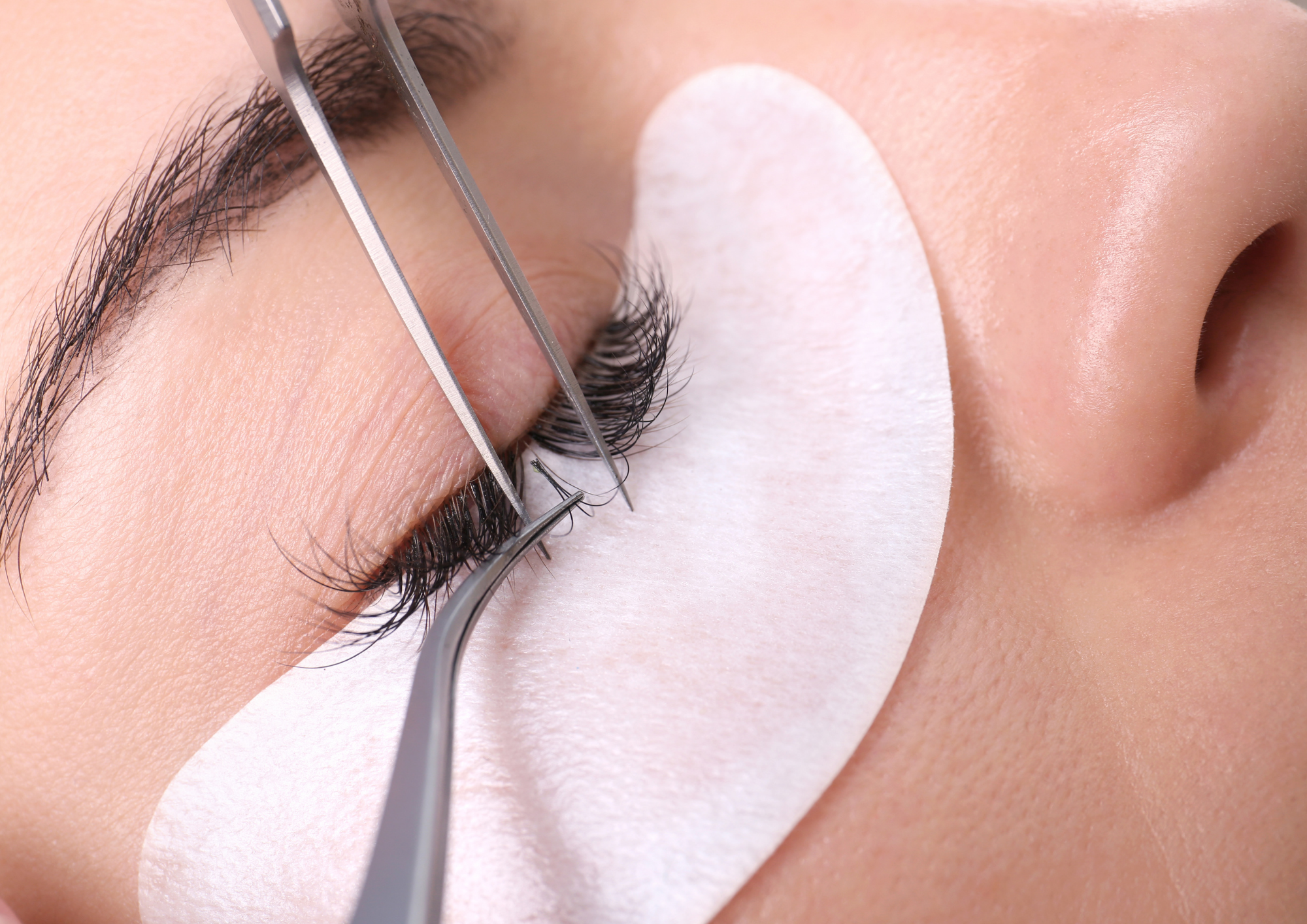
Customized lash extensions offer a thoughtful alternative to applying the same length, curl, and fullness to every client. A well-planned set considers natural lash health, eye shape, facial proportions, personal style, and daily routine. The result is not simply a more dramatic lash line. It is a design that looks intentional, feels comfortable, and remains practical between maintenance visits.
This personalized approach also illustrates an important business principle: service quality improves when professionals begin with the individual rather than a predetermined package. Consultation, technical judgment, safety practices, and aftercare all contribute to the final experience.
Customization Is More Than Choosing a Style
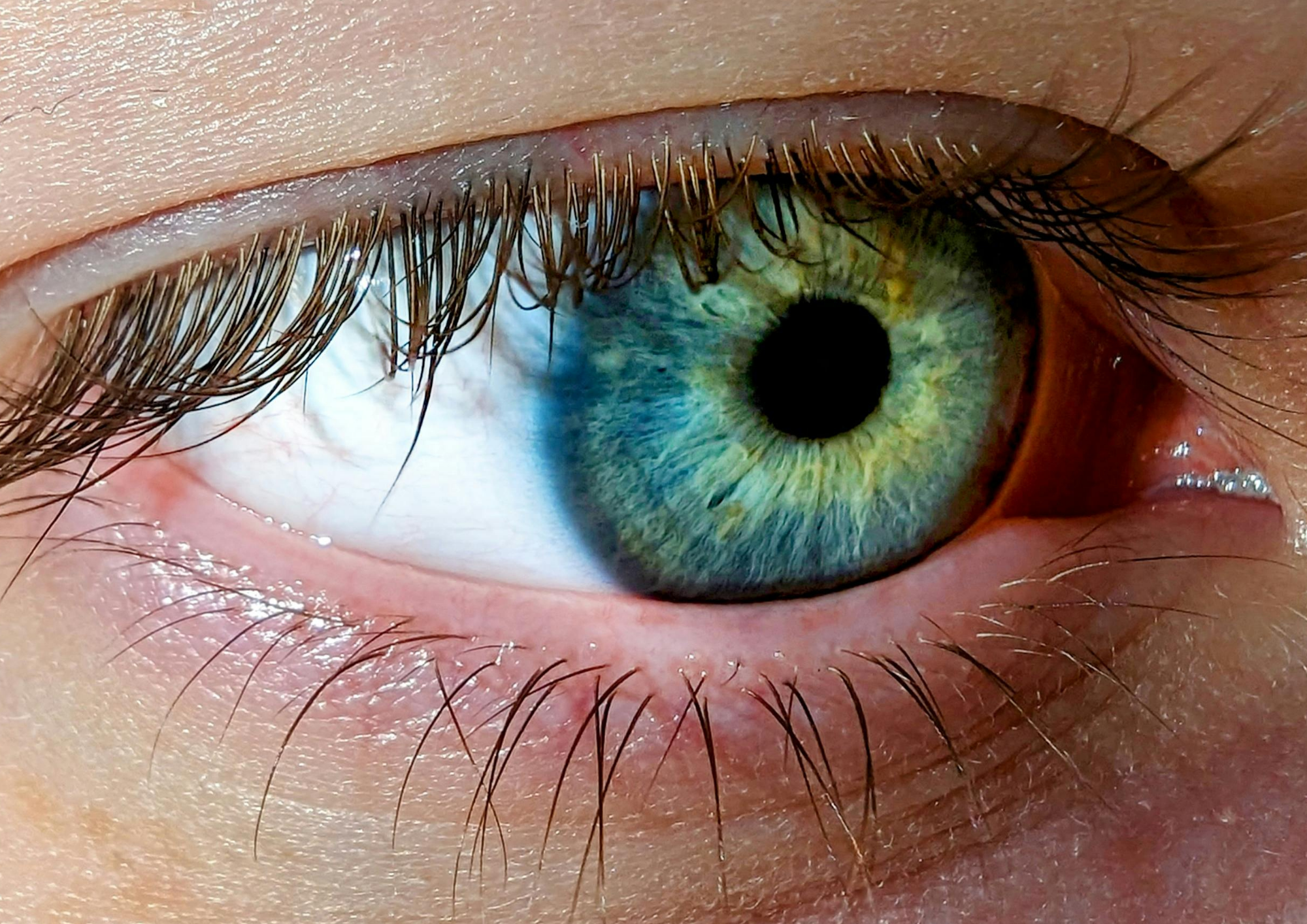
Terms such as classic, hybrid, volume, natural, and dramatic are useful starting points, but they do not fully describe how a lash set should be designed. Two clients requesting a “natural” look may need entirely different maps because their natural lashes, eye shapes, and preferences differ.
A lash artist may consider several variables before beginning:
- The length, density, and condition of the natural lashes
- Eye shape and the position of the eyelids
- Areas where the natural lash line is fuller or more sparse
- The client’s preferred amount of definition
- Whether the client regularly wears glasses or contact lenses
- Daily habits, including exercise, swimming, makeup use, and sleep position
- The amount of ongoing maintenance the client can realistically manage
These details help determine an appropriate combination of lengths, curls, diameters, and placement. Customization should always work within the limits of the natural lashes rather than treating every inspiration photo as an exact blueprint.
The Consultation Functions as a Design Brief
In business, a design brief aligns expectations before resources are committed. A lash consultation serves a similar purpose. It gives the client an opportunity to describe what she likes, while the artist evaluates what can be created comfortably and responsibly.
Questions clients should be prepared to answer
- Do you prefer subtle enhancement or noticeable fullness?
- Are there lash styles you have tried and disliked?
- Have you previously experienced irritation from adhesives, cosmetics, or tape?
- Do you have seasonal allergies, sensitive skin, or a known latex allergy?
- How often are you willing to return for maintenance?
- Do you want a style suited to everyday wear, a special event, or both?
Clear communication also helps prevent vague expectations. For example, “dramatic” could mean darker definition to one person and considerable length to another. Reference images are useful, but the artist should explain how the inspiration may be adapted to the client’s features and natural lashes.
Responsible Design Respects the Natural Lashes
More length and density are not automatically better. Extensions add weight to natural lashes, so selection should reflect what those lashes can reasonably support. A responsible artist may recommend a lighter or shorter design when the natural lashes are fine, sparse, or temporarily weakened.
Comfort is another quality indicator. Extensions should not feel excessively heavy or repeatedly pull at the lash line. They should also be separated carefully so neighboring natural lashes can continue through their individual growth cycles.
The American Academy of Ophthalmology’s guidance on eyelash extensions explains that possible concerns include allergic reactions, eyelid irritation, infection, and damage to natural lashes. This does not mean every client will experience a problem. It does demonstrate why technique, product awareness, sanitation, and honest communication matter.
Safety and Hygiene Are Part of the Service
Because lash work takes place close to the eyes, cleanliness should be visible and consistent. Clients should expect clean hands, sanitized work surfaces, properly stored supplies, and single-use items where appropriate. Tools and reusable implements should be handled according to applicable sanitation requirements and product directions.
The Centers for Disease Control and Prevention identifies hand hygiene as a practical way to reduce the spread of germs in workplaces. For beauty businesses, that simple practice supports both client safety and professional credibility.
Surface disinfection also requires more than a quick spray and wipe. The Environmental Protection Agency’s disinfectant guidance notes that products must be used according to their labels, including the stated contact time. In practical terms, the surface may need to remain visibly wet for a specified period before the disinfectant has been used as directed.
Product Awareness Helps Clients Make Informed Decisions
Lash adhesives and products used around the eyes deserve careful consideration. Clients should disclose previous reactions and ask questions when they are uncertain about an ingredient. The U.S. Food and Drug Administration’s eye cosmetic safety recommendations advise consumers to stop using an eye cosmetic if it causes irritation and to seek medical guidance if the irritation continues.
Latex sensitivity is another reason to discuss product ingredients. According to the FDA’s information about latex in cosmetics, some eyelash adhesives may contain natural rubber latex, and sensitive individuals can experience allergic reactions. A client with a known or suspected allergy should tell the lash professional before the service and consult a qualified healthcare professional when appropriate.
A patch test may provide useful information in some situations, but it cannot guarantee that a reaction will never occur. Sensitivities can develop or change over time, and exposure during a full service differs from a small preliminary test.
Aftercare Protects Comfort and Retention
A beautiful set still depends on daily care. Aftercare directions may vary according to the adhesive and products used, so clients should follow the instructions provided by their artist rather than relying on generalized social media advice.
Common care practices include:
- Cleaning the lash line gently with a lash-compatible cleanser
- Using clean hands and avoiding aggressive rubbing or pulling
- Brushing the extensions carefully with a clean spoolie when needed
- Avoiding unapproved oily or heavy products around the lash line
- Removing eye makeup gently instead of scrubbing
- Returning for professional maintenance or removal
- Resisting the temptation to pick at loose extensions
Clean lashes are important even when clients want to preserve retention. Allowing makeup, skin oils, or debris to build up around the lash line is not a sound maintenance strategy.
Know the Difference Between Normal Shedding and a Warning Sign
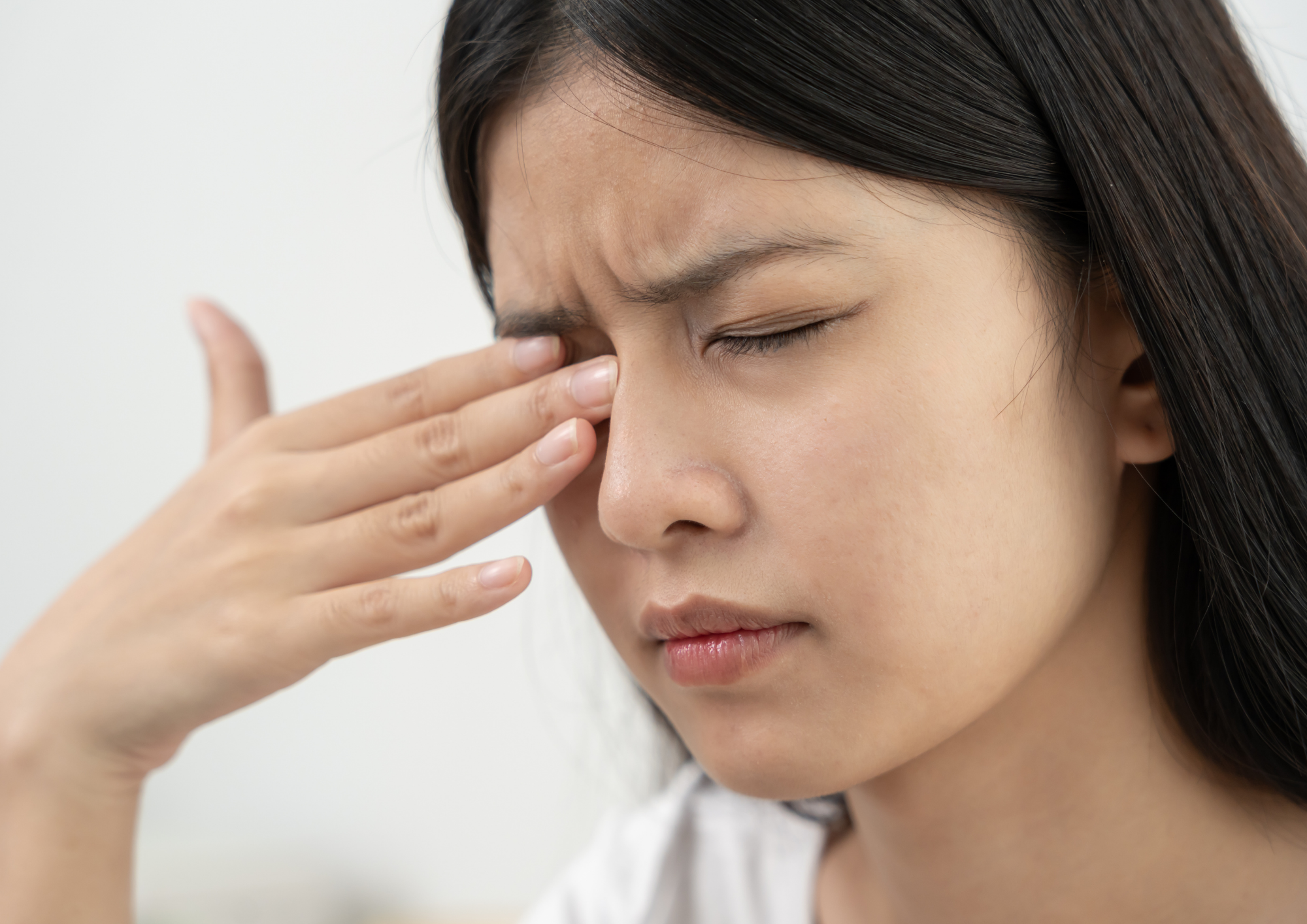
Natural lashes move through growth and shedding cycles, so losing some extensions over time is expected. A gradual change in fullness is different from persistent redness, swelling, pain, discharge, intense itching, or changes in vision.
The American Academy of Dermatology explains that contact dermatitis can develop when a substance irritates the skin or triggers an allergic response. Symptoms may include itching, a rash, or blisters. Anyone experiencing significant or continuing symptoms around the eyes should seek guidance from an appropriate medical professional. Sudden vision changes or severe eye pain require prompt medical attention.
Consistency Builds Trust in a Beauty Business
Customization should not mean improvising without a process. Strong service businesses combine personalization with consistent standards. A professional consultation, documented preferences, sanitation procedures, clear aftercare, and realistic maintenance guidance create a repeatable framework while leaving room for individual design.
Client records can also improve future visits. Notes about the lash map, curl, length range, product selection, retention patterns, and client feedback allow the artist to refine the design over time. If one area sheds faster or a style feels too bold, the next set can be adjusted based on actual experience rather than guesswork.
Businesses such as The Nail Bar & Beautique can support a more confident client experience by making the service collaborative. The artist contributes technical knowledge, while the client contributes personal preferences, lifestyle information, and feedback.
Questions to Ask Before Choosing a Lash Service
Prospective clients can evaluate a provider by asking practical questions rather than relying only on photographs:
- How will you select a style for my natural lashes and eye shape?
- What sanitation procedures do you follow between clients?
- What should I disclose about allergies, sensitivities, or previous reactions?
- What aftercare products and techniques do you recommend?
- How often will this design typically require maintenance?
- How are extensions professionally removed?
- What should I do if I experience discomfort or irritation?
Clear, specific answers signal that the provider has considered the entire client journey, not just the appearance of the finished set.
A Better Outcome Begins With Better Questions
The most effective lash design is not necessarily the longest, darkest, or trendiest option. It is the one that balances appearance, comfort, natural lash condition, lifestyle, and manageable upkeep.
For clients, the practical lesson is to arrive ready to discuss preferences and relevant sensitivities. For beauty businesses, the broader lesson is equally valuable: personalization works best when it is supported by consultation, documented standards, responsible technique, and useful education. When those elements come together, lash extensions become more than a cosmetic add-on. They become a well-designed professional service built around the person receiving it.