
What Full-Service Salons Teach Us About Customer Experience
What Full-Service Salons Teach Us About Customer Experience A Hair salon may be known for cuts and color, but the strongest full-service businesses compete on…

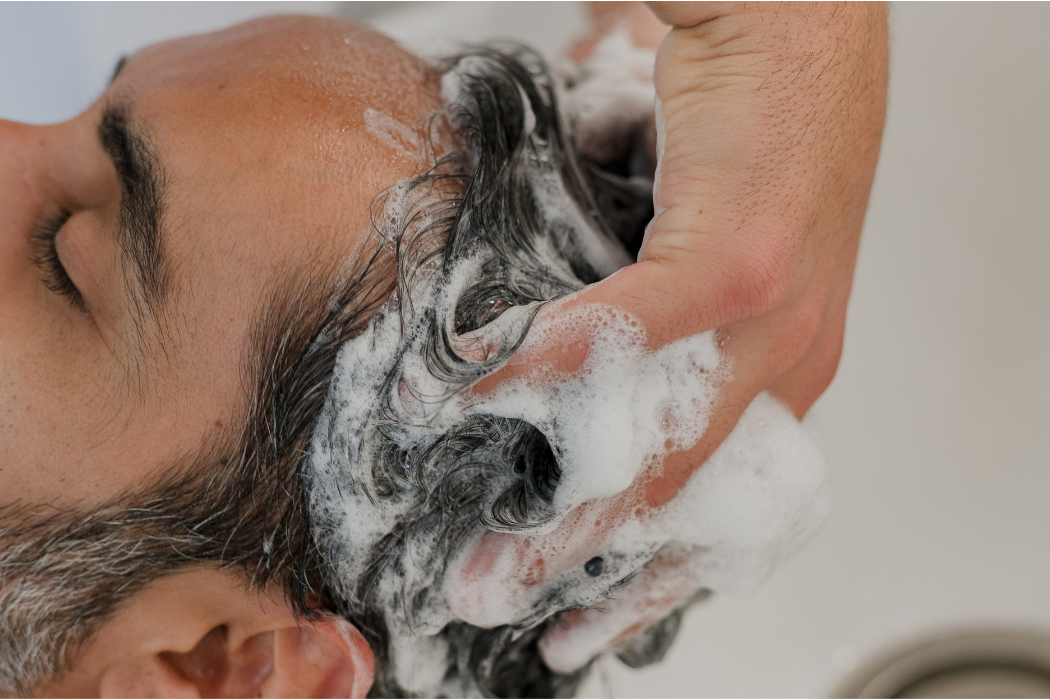
A Hair salon can expand across several communities without turning personalized service into a standardized, impersonal transaction.
That balance is one of the most interesting business challenges in the beauty industry. Clients want reliable quality, transparent communication, and professional safety practices, but they also expect a stylist to recognize their individual hair, lifestyle, and preferences.
Successful salon innovation is therefore less about adding fashionable technology and more about building an operating system that supports human expertise. Education, consultation, documentation, product controls, digital access, and career development must work together while leaving room for creativity.
Consistency is sometimes mistaken for producing the same result for everyone. In a service business, it should mean that every client benefits from the same level of attention, preparation, and communication.
The creative result can remain highly individual while the underlying process follows dependable standards. A useful salon framework might include:
This structure does not restrict artistry. It gives stylists better information and reduces preventable misunderstandings. It also helps a salon deliver a recognizable experience when clients visit different team members or locations.
A photograph can communicate inspiration, but it cannot reveal the complete process needed to achieve a result. Lighting, editing, starting color, density, texture, previous chemical services, and maintenance habits all affect what is practical.
A strong consultation converts a visual request into a series of informed decisions. The stylist needs to understand what the client likes about the reference, how frequently the client expects to maintain the result, how the hair is styled at home, and whether previous services create technical constraints.
These questions reveal priorities that may otherwise remain unspoken. They also help the stylist distinguish between a long-term transformation and a result that may be possible in one visit.
The U.S. Small Business Administration’s guidance on market research encourages businesses to understand customer demand and alternatives. A salon can apply that principle at the individual level by listening closely before recommending a service.
Initial licensing establishes an essential professional foundation, but the beauty industry continues to change. New color methods, cutting approaches, extension systems, smoothing services, products, and client expectations require ongoing learning.
The U.S. Bureau of Labor Statistics notes that cosmetologists commonly continue taking advanced courses throughout their careers to remain current with techniques and trends. For a growing salon organization, education should be a repeatable business function rather than an occasional event.
An effective development system may combine:
Dedicated training pathways can also reduce the difficult gap between graduation and confident work behind the chair. Recently licensed professionals need opportunities to refine timing, judgment, communication, and technical execution with appropriate support.
A level-based salon model can support both workforce development and consumer choice. Emerging professionals may provide selected services under structured guidance, while more experienced stylists handle work that requires advanced specialization or extensive corrective planning.
For the model to work, the differences must be explained clearly. Clients should understand that service levels may reflect experience, education, demand, and price rather than suggesting that fundamental safety standards vary between providers.
A transparent pathway can benefit the entire organization:
Career development is especially important in a labor-intensive business where growth depends on skilled people. Technology can improve scheduling or records, but it cannot replace technical judgment, listening, or the trust created during a personal service.
Color, lightener, smoothing products, heated tools, disinfectants, and other salon materials require informed handling. A modern client experience should include professional product knowledge and consistent safety procedures, even when those safeguards are not highly visible.
The U.S. Food and Drug Administration’s hair-dye guidance advises following product directions, observing warnings, wearing gloves during application, and avoiding the mixing of different dye products. Salons should also maintain manufacturer instructions and respond seriously when a client reports previous sensitivity.
Smoothing services require additional attention. The Occupational Safety and Health Administration provides specific information about formaldehyde in certain hair products, including labeling, ventilation, exposure, training, and protective measures.
In Georgia, facilities and licensed professionals must also follow requirements overseen by the Georgia State Board of Cosmetology and Barbers. Multi-location businesses need a reliable process for translating applicable rules into everyday routines at every facility.
Important operational controls include:
Online booking, text communication, stylist-matching tools, service histories, and inventory systems can make a salon easier to use. Their value should be measured by the amount of confusion they remove.
A booking system should help clients select an appropriate service duration without requiring them to understand every technical category. A stylist profile should explain specialties in useful language. Automated messages should provide essential preparation information without overwhelming the reader.
Digital convenience also creates responsibilities. Client records may contain contact information, service history, purchase details, and saved payment data. The NIST Cybersecurity Framework 2.0 Small Business Quick-Start Guide offers practical guidance for identifying important assets, protecting systems, recognizing incidents, responding, and recovering.
Basic protections include unique staff accounts, multifactor authentication, controlled access, timely updates, secure backups, and prompt removal of access when an employee leaves.
Accessibility matters as well. The U.S. Department of Justice’s web-accessibility guidance discusses barriers that can prevent people with disabilities from using business websites. Readable contrast, descriptive headings, keyboard access, labeled form fields, and scalable text make digital salon services usable by more people.
Product decisions affect service quality, employee exposure, storage needs, purchasing costs, and waste. A salon should know which products are used frequently, which expire on the shelf, and which generate avoidable packaging or chemical waste.
Useful measures might include color usage by service, product waste, retail sell-through, back-bar consumption, and the frequency of emergency supply orders. The goal is not to reduce product use blindly. It is to match purchasing with actual demand while preserving technical standards.
For cleaning and facility products, the U.S. Environmental Protection Agency’s Safer Choice Standard explains criteria used to evaluate qualifying products and ingredients. Environmental claims should be specific and supported, not treated as vague marketing language.
Salon 124 offers a useful example of education-centered growth in greater Atlanta. Founded in 1991, the organization lists Salon 124 locations in Grayson, Duluth’s Sugarloaf area, Dacula’s Hamilton Mill area, Suwanee, and downtown Monroe.
Its published story emphasizes professionalism, continuing stylist education, and consistent service. Training includes current approaches to cutting, color, and keratin or smoothing treatments. The organization also operates a dedicated New Artist Salon and Training Center where recently licensed cosmetology graduates can continue developing their skills in a working salon environment.
This structure illustrates an important business principle. Expansion becomes more sustainable when the organization develops people, documents expectations, and creates a path for knowledge to move from experienced professionals to newer team members.
The strongest multi-location salons do not scale by removing individuality. They build systems that give skilled professionals better information, safer processes, clearer career paths, and more time to focus on clients. When education and operations reinforce one another, consistency becomes a platform for creativity rather than a substitute for it.