Why Effective Hair Treatments Begin With the Right Diagnosis
Why Effective Hair Treatments Begin With the Right Diagnosis Customized hair treatments are most effective when they address the condition of the hair in front…

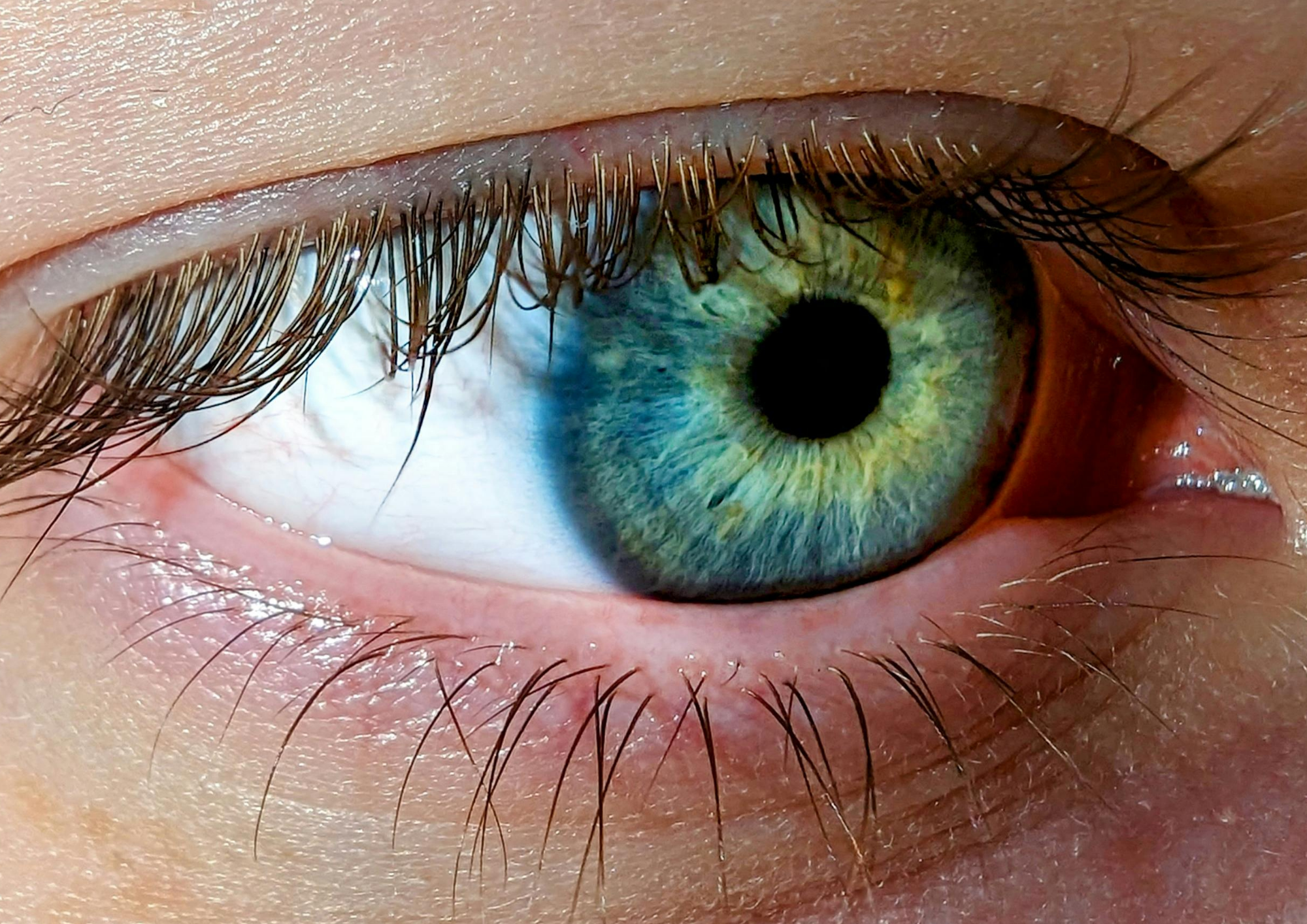
Comprehensive eye examinations evaluate how clearly a person sees while also creating a broader picture of eye health, visual function, and changes that may need further attention.
Many people associate an eye exam with reading letters from a chart and receiving a new glasses prescription. Visual acuity is important, but it is only one part of the process. A complete evaluation may also examine focusing, eye coordination, peripheral vision, pupil reactions, eye pressure, and the internal structures of the eyes.
This wider assessment matters because several eye diseases can develop before a person notices obvious symptoms. Regular care gives an optometrist an opportunity to compare findings over time and respond when a meaningful change appears.
A single measurement provides information about one moment. A series of examinations creates context. When an eye doctor can compare current findings with previous prescriptions, pressure readings, retinal observations, and symptoms, subtle changes become easier to interpret.
A useful eye-health baseline may include:
Not every test is necessary for every patient at every visit. The optometrist selects procedures based on age, symptoms, risk factors, medical history, and previous findings.
The American Optometric Association’s eye examination guidance explains how comprehensive care differs from limited vision screenings. A screening may identify a possible problem, but it does not replace an individualized examination by an eye doctor.
Medical and visual history guide the rest of the evaluation. Patients should mention more than blurry vision. Headaches, eye strain, glare, double vision, dryness, flashes, floaters, and difficulty seeing at night can all influence testing.
The doctor may ask about:
Accurate information helps the doctor connect test findings with the patient’s everyday experience. A prescription that works well for driving may not solve fatigue at a workstation, while someone who alternates between screens, tools, and printed documents may need a different solution.
Visual acuity testing measures how clearly each eye sees at specified distances. It can reveal reduced clarity, but it does not explain the cause by itself.
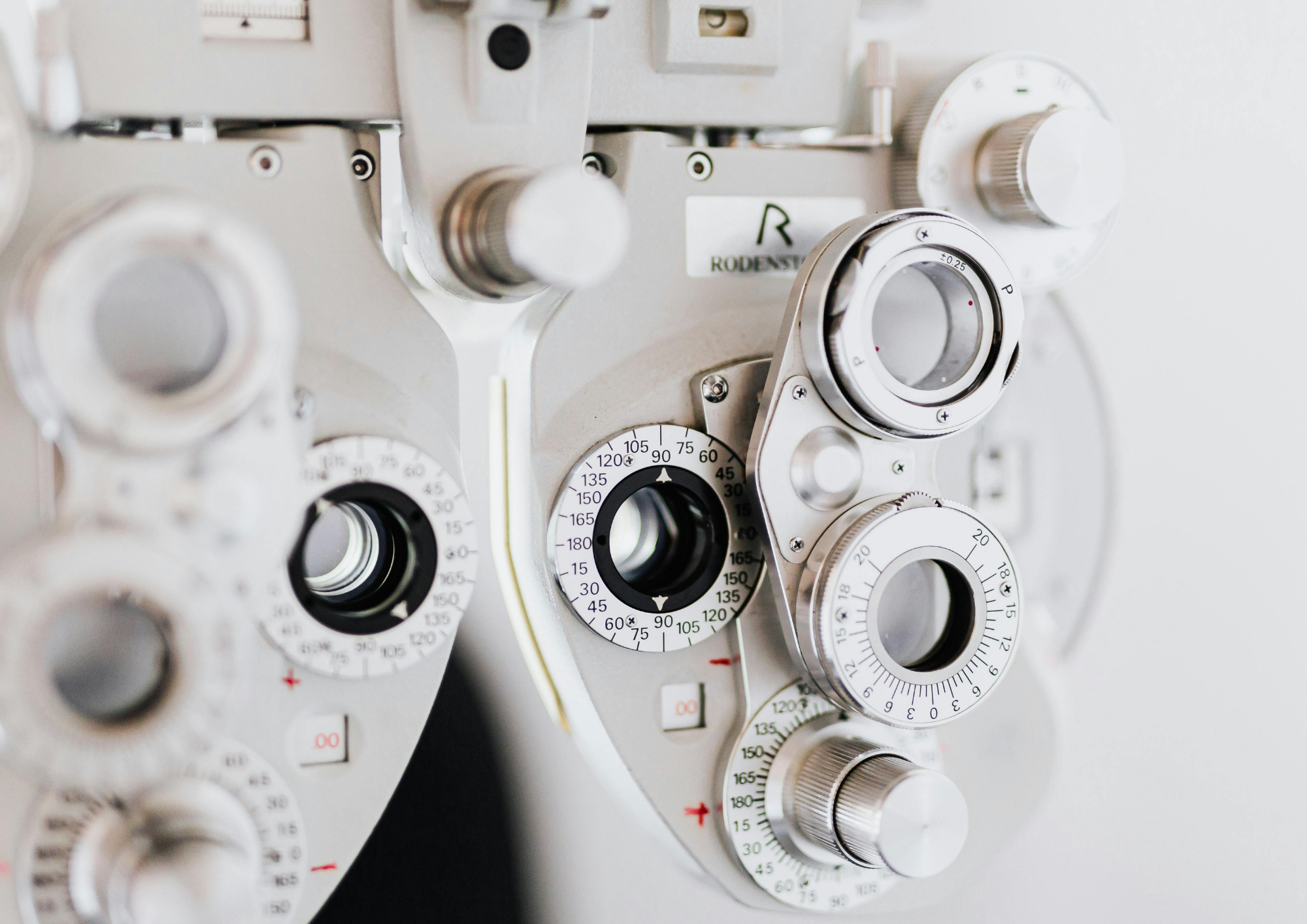
Refraction determines the lens power that provides clearer vision. The familiar comparison between different lens choices helps refine a prescription for nearsightedness, farsightedness, and astigmatism.
A prescription is not simply a number generated by a machine. The doctor considers objective measurements, the patient’s responses, visual demands, and the way both eyes work together.
These tests assess how the eyes track, align, and function as a team. Coordination problems can affect reading comfort, depth perception, and sustained near work even when each eye sees clearly on its own.
Tonometry measures pressure inside the eye. Pressure is one component of a glaucoma evaluation, but it cannot diagnose or exclude glaucoma by itself. Some people with elevated pressure never develop optic nerve damage, while others can develop glaucoma at pressure levels considered statistically normal.
A visual field assessment evaluates peripheral vision. Depending on the patient’s needs, the doctor may use a simple comparison test or an automated instrument that maps sensitivity across the field of view.
Dilating drops widen the pupils so the eye doctor can obtain a broader view of internal structures, including the retina and optic nerve. The National Eye Institute explains what happens during a dilated examination and why it can help detect disease before vision loss becomes noticeable.
Dilation can temporarily cause light sensitivity and blurred near vision. Effects vary, so patients should ask how long they may last and whether driving afterward is advisable. Bringing sunglasses can make the trip home more comfortable.
The decision to dilate depends on clinical judgment, age, symptoms, health history, and risk. Retinal imaging may provide useful documentation, but patients should not assume that every image automatically replaces a dilated examination.
The Centers for Disease Control and Prevention notes that some eye diseases have no early symptoms. This is one reason regular examinations remain important even when vision seems unchanged.
Glaucoma damages the optic nerve and can gradually reduce peripheral vision. The National Eye Institute reports that early glaucoma often has no symptoms. Evaluation may include examination of the optic nerve, eye pressure measurement, and visual field testing.
Risk can be influenced by age, family history, race or ethnicity, and other factors. The recommended follow-up schedule should be based on the individual rather than a universal timetable.
Age-related macular degeneration affects the macula, the retinal area responsible for detailed central vision. Early changes may be subtle, particularly when one eye compensates for the other.
The National Eye Institute’s AMD resource explains symptoms, risk factors, diagnosis, and treatment. Changes such as distorted lines or a new blurred area in central vision should be evaluated promptly.
Diabetes can damage retinal blood vessels and increase the risk of other eye conditions. A person may have diabetic retinal changes without noticing an immediate difference in vision.
The CDC recommends regular dilated eye care for people with diabetes and emphasizes coordination between eye care and broader diabetes management. Patients should tell their optometrist about diabetes, blood glucose management, medications, and recent health changes.
Children may not recognize or describe a visual problem. They can assume everyone sees the way they do or adapt by avoiding difficult tasks. Comprehensive pediatric evaluation can assess clarity, alignment, focusing, eye health, and visual development.
Parents should mention concerns such as squinting, closing one eye, frequent eye rubbing, holding materials unusually close, headaches, or avoiding reading. School screenings are valuable, but they do not evaluate every aspect of visual function and eye health.
Adults may experience changing prescriptions, digital eye strain, dry eye symptoms, or difficulty shifting focus between distances. Occupational needs matter. A driver, computer user, craftsperson, and outdoor worker may require different visual solutions.
As people age, the likelihood of cataracts, glaucoma, macular degeneration, and other conditions increases. Changes in contrast, glare recovery, color perception, and near vision can affect driving, reading, and mobility.
Older adults should report falls, trouble recognizing faces, increased glare, or difficulty functioning in dim light, even if an eye chart result seems acceptable.
A small amount of preparation can make an examination more efficient and informative:
Kittery Optometric Associates provides eye examinations through offices in Kittery and Wells, Maine. Its published exam process includes discussion of medical and visual history, visual acuity testing, refraction, tonometry, and personalized recommendations for corrective lenses when needed.
The practice also offers contact lens, pediatric, diabetic, dry eye, and medical eye care services. Having related services within the same practice can support continuity when a routine examination identifies a concern requiring additional evaluation or monitoring.
Maine consumers can review professional licensing information through the state’s licensee search service, which includes optometry among its regulated professions.
Regular examinations are preventive, but sudden symptoms may require urgent evaluation. Contact an eye doctor promptly for:
Severe symptoms may require emergency care. Waiting for the next routine examination can delay treatment for time-sensitive conditions.
Frequency depends on age, prescription, symptoms, medical conditions, family history, and previous findings. The eye doctor can recommend an interval based on individual risk rather than a single schedule for everyone.
Eye findings can sometimes show signs associated with systemic conditions such as diabetes or high blood pressure. An optometrist may recommend medical follow-up, but an eye examination does not replace primary care.
Not necessarily. The doctor decides when dilation is appropriate based on risk, symptoms, and clinical findings. Patients should ask what information dilation would provide in their situation.
No. A person can see clearly and still have an eye condition developing without obvious symptoms. Vision testing and eye-health evaluation answer different questions.
Contact lens evaluation usually requires additional measurements and assessment because a lens sits directly on the eye. Ask the practice what is included when scheduling care.
The greatest value of an eye examination is not simply confirming that vision is clear today. It is establishing reliable information that can be compared over time, identifying risk, and creating a plan suited to the patient’s age, health, and visual demands.
When patients arrive prepared and understand what each test contributes, the examination becomes a collaborative process. That process supports clearer vision, earlier recognition of problems, and more informed decisions about long-term eye health.