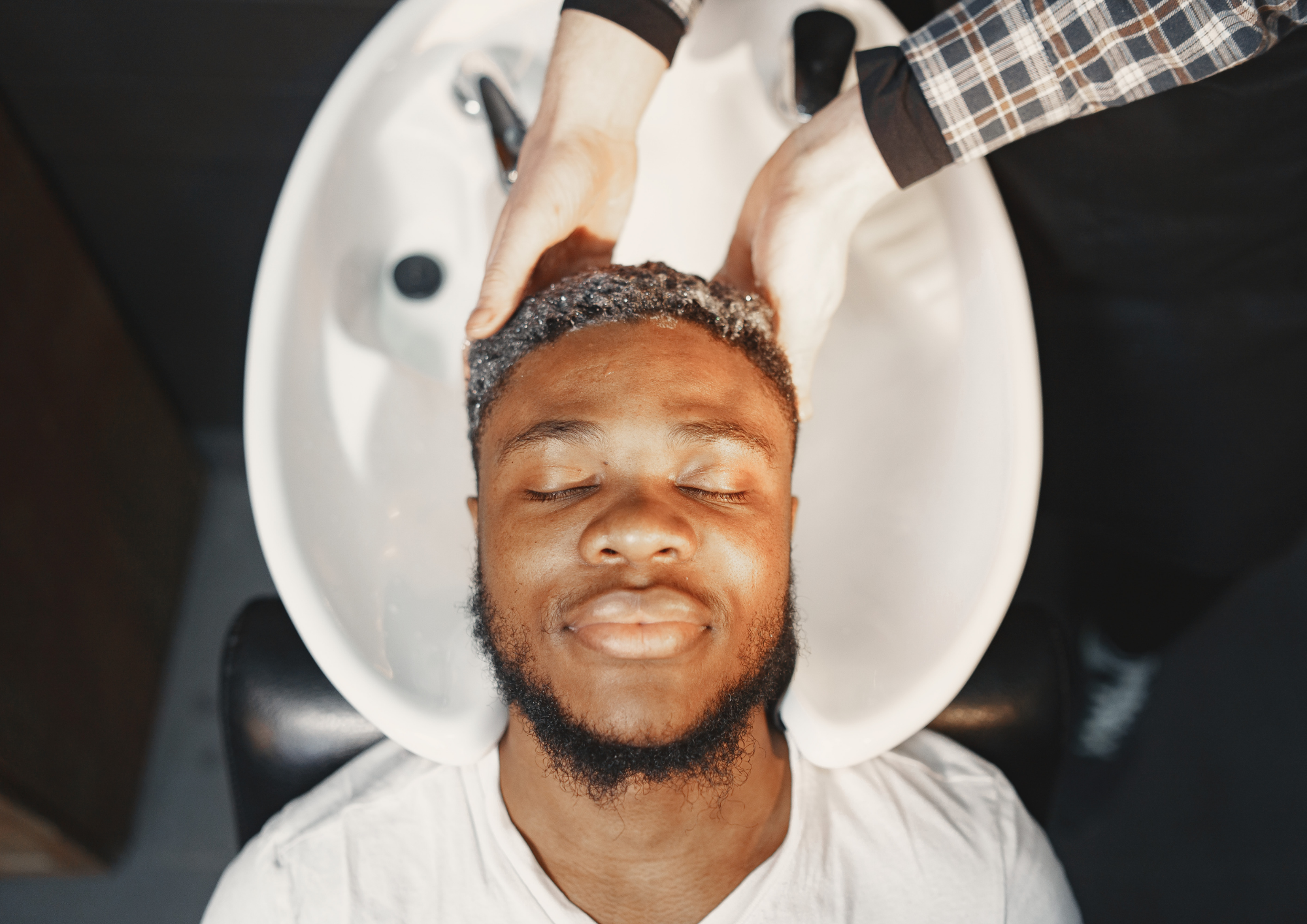
Why Effective Hair Treatments Begin With the Right Diagnosis
Why Effective Hair Treatments Begin With the Right Diagnosis Customized hair treatments are most effective when they address the condition of the hair in front…

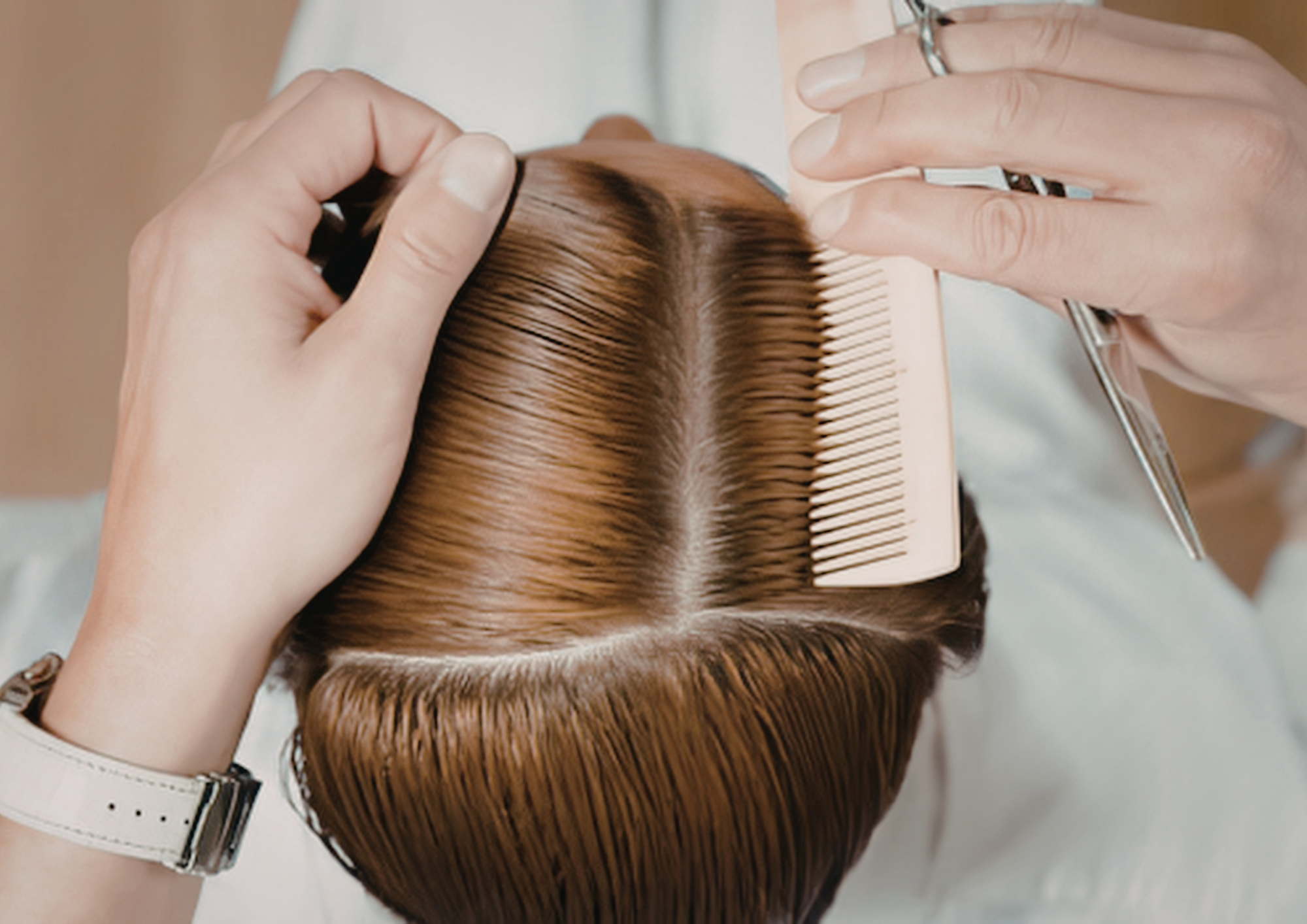
A haircut and blowout should create more than a polished first impression; the real value becomes clear when the shape remains manageable through washing, styling, and several weeks of growth.
Freshly styled hair can make almost any cut look attractive for a day. A well-planned haircut goes further. It accounts for natural texture, density, growth patterns, daily routines, and the amount of maintenance a client can realistically manage.
Understanding how stylists plan, execute, and evaluate a cut helps clients communicate more effectively and recognize the difference between a temporary finish and a durable design.
Clients frequently request a low-maintenance haircut, but that phrase can describe very different expectations. One person may be comfortable using a round brush every morning, while another wants hair that can air-dry with minimal product.
Before the consultation, consider what daily maintenance should involve:
These details are more useful than describing a style as merely short, long, modern, or professional. They help the stylist design for real conditions rather than an ideal routine that the client is unlikely to follow.
Reference photographs give the stylist a starting point, but they do not function as exact blueprints. Hair density, strand thickness, texture, previous chemical services, and head shape all affect how a design translates from one person to another.
A useful consultation identifies the specific features that make an image appealing. Is it the face-framing movement, the strong perimeter, the volume at the crown, or the way the layers reveal natural waves? Breaking an image into components makes it easier to adapt.
Clients should also explain what has not worked in the past. A history of layers becoming bulky, bangs separating, or ends appearing thin gives the stylist practical information that may not be visible in an inspiration photo.
A haircut changes from the moment it is completed. Short layers gain weight, fringes begin to obstruct vision, and carefully shaped outlines gradually soften. The goal is not to stop growth but to anticipate how the design will evolve.
Strong grow-out depends on several factors:
A client who wants longer intervals between salon visits may benefit from a softer outline or a shape that tolerates gradual growth. Someone who enjoys a sharply defined bob or short crop should expect more frequent refinement.
Wet cutting can offer control, clean sectioning, and consistent tension. Dry hair reveals natural expansion, curl contraction, movement, and the true relationship between sections. Neither approach is universally superior.
A stylist may establish the main structure while the hair is wet and refine it after drying. Curly, wavy, or highly directional hair may require additional assessment in its natural state. The technique should follow the design and hair type.
The American Academy of Dermatology’s curly-hair guidance notes that textured hair can be prone to dryness and breakage. Conditioning, careful detangling, and techniques suited to the curl pattern can help preserve the appearance of the finished shape.
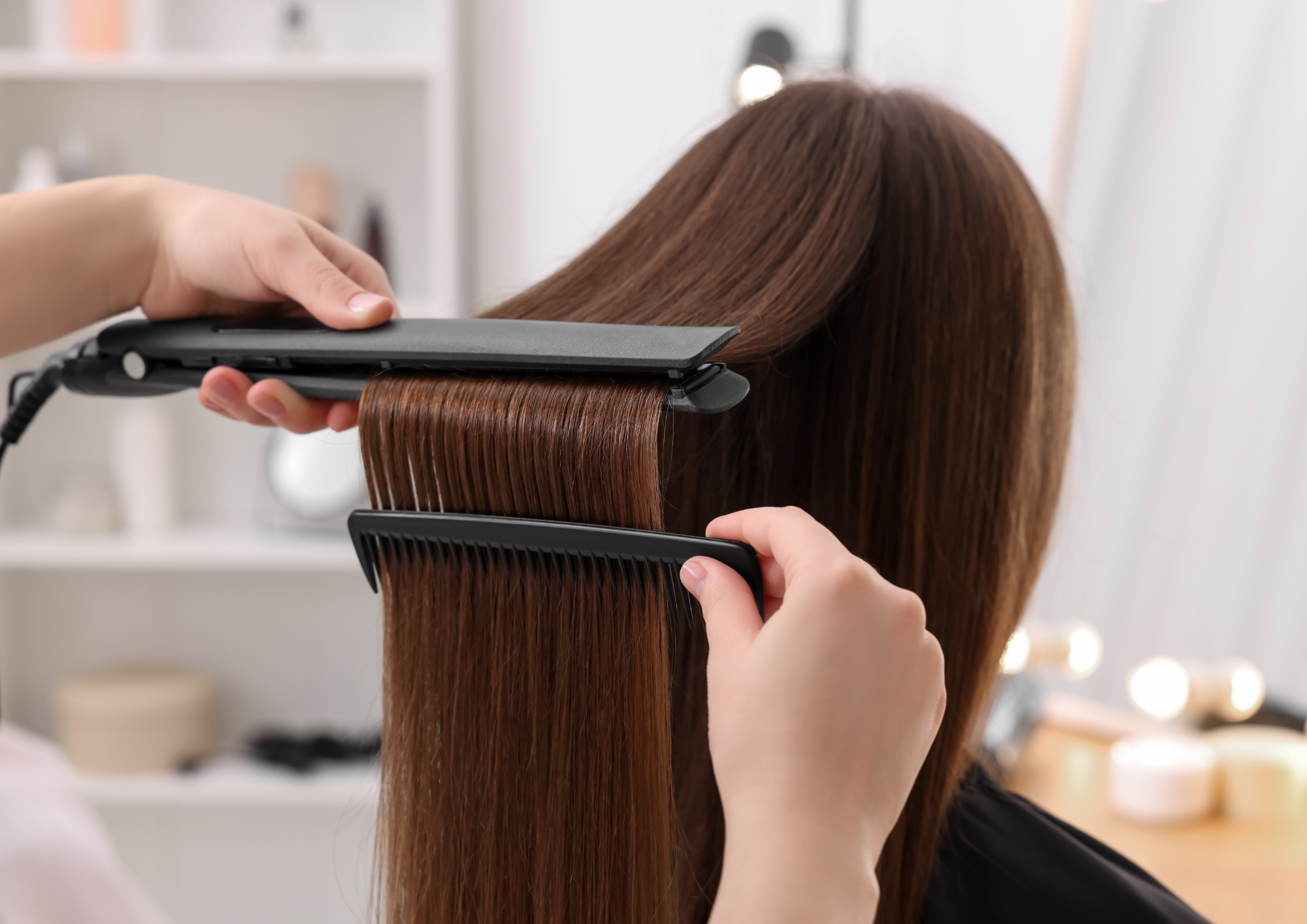
A professional blowout is not only decorative. Once the hair is dry, the stylist can examine weight distribution, perimeter balance, movement, and how the layers connect. Small adjustments made at this stage can improve the overall result.
The finish also demonstrates how the haircut responds to tools and airflow. A stylist can show where to place volume, how to direct face-framing sections, and which areas need less manipulation.
Clients should use this time to ask practical questions:
A good salon finish should teach the client something about recreating the style rather than making the result dependent on professional tools alone.
More heat does not necessarily create a better blowout. Airflow direction, section size, distance from the dryer, and continuous movement all affect efficiency.
The American Academy of Dermatology recommends limiting excessive heat, partially air-drying when possible, and using flat irons on dry hair at low or medium settings. These practices can reduce unnecessary stress on the hair fiber.
A laboratory study indexed by the National Library of Medicine found greater surface damage as dryer temperature increased under the tested conditions. The study also indicated that keeping a dryer moving at a reasonable distance could be less damaging than holding high heat close to the hair.
Hair that requires intense heat every day may indicate a mismatch between the chosen design and the client’s natural texture or routine. Adjusting the haircut, finish, or product strategy may create a more sustainable result.
A haircut service and a standalone blow-dry service solve different needs. The correct choice depends on whether the underlying shape needs modification.
A cut with a finished blow-dry is appropriate when the client wants to remove length, reshape layers, adjust the perimeter, or correct balance. A standalone styling service may suit someone preparing for an event or seeking a polished finish without changing the haircut.
Diviniti Salon & Spa offers women’s cuts with a blow-dry, men’s and children’s cuts, blow-dry styling, straightening, braids, iron-work add-ons, formal styling, and other hair services in Matthews, North Carolina. The salon also states that pricing can vary according to stylist experience, time demand, hair length, condition, and consultation.
This type of menu distinction helps clients reserve an appropriate amount of time. Someone requesting a major transformation should describe that goal in advance rather than selecting a simple styling service and expecting the cut to be added later.
The most useful product routine is not necessarily the largest one. Each product should have a clear function, such as moisture, heat protection, volume, hold, smoothing, or curl definition.
The U.S. Food and Drug Administration provides safety information about hair products, including cleansers, dyes, and smoothing products. Clients should review labels, disclose sensitivities, and discontinue a product if it causes an unexpected reaction.
Diviniti uses professional Aveda hair-care products. Product recommendations should still be personalized because fine, dense, curly, color-treated, and dry hair have different needs. Ask the stylist to identify which item is essential, how much to apply, and whether it belongs near the roots or only on the ends.
Recreating a salon result becomes easier when the process is reduced to repeatable steps:
The Cleveland Clinic recommends gentle brushing and moderated heat, particularly for fragile, damaged, or chemically treated hair. A wide-tooth tool and gradual detangling from the ends upward can reduce avoidable pulling.
Haircutting combines creative judgment with licensed technical practice. North Carolina consumers can review licensing, sanitation, and salon information through the North Carolina Board of Cosmetic Art Examiners.
Professional development continues after initial licensure. The Professional Beauty Association’s education resources illustrate the industry’s emphasis on continuing technical and business training. Ongoing education helps stylists refine consultation, cutting, product, and texture-specific skills.
Timing depends on the design, length, texture, and desired level of polish. Short structured cuts and bangs often show growth sooner than long layers. Ask the stylist when the specific shape is likely to lose balance.
No. Growth occurs at the follicle, so cutting the ends does not increase its rate. Trimming can remove splitting or weathered ends, helping the hair look neater and reducing further splitting along the shaft.
Follow the salon’s instructions. Many haircut services include cleansing, but product buildup, tangles, or an uncommunicated natural texture can affect assessment. If the stylist wants to observe the normal curl pattern, arrive with the hair prepared as requested.
Contact the stylist and explain what happens after washing. The issue may involve product amount, drying direction, tool selection, or how the cut behaves without a professional finish. Specific feedback is more useful than simply saying the hair feels different.
The strongest haircut is not defined by opening-day polish alone. It should align with the client’s natural texture, support a realistic styling routine, and retain a coherent shape as it grows.
Consultation establishes the requirements, cutting creates the structure, and the blowout tests how the design performs when dry. When these stages work together, clients leave with more than a finished style. They gain a practical plan for managing their hair with greater consistency and confidence.