Why Effective Hair Treatments Begin With the Right Diagnosis
Why Effective Hair Treatments Begin With the Right Diagnosis Customized hair treatments are most effective when they address the condition of the hair in front…

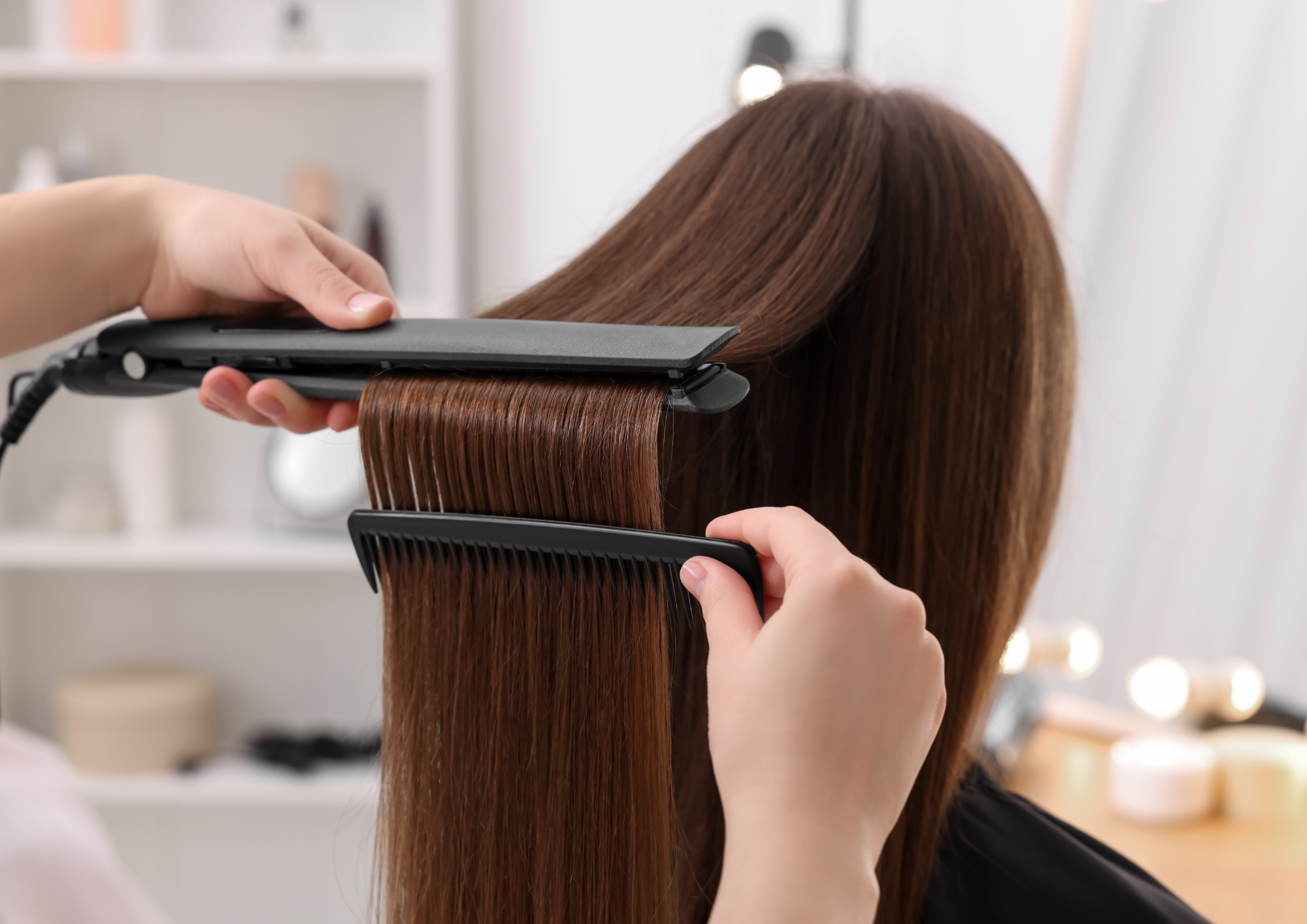
Precision haircuts are built around proportion, texture, movement, and daily practicality rather than a single trend or cutting technique.
A successful haircut should look intentional from multiple angles, respond well to the natural behavior of the hair, and remain manageable after the salon finish is gone. Achieving that result requires more than shortening the ends. It involves consultation, technical planning, controlled execution, and clear guidance for maintaining the shape at home.
For clients, understanding these elements makes it easier to communicate with a stylist and evaluate whether a haircut truly supports their needs.
The consultation is the planning stage of a professional haircut. A stylist needs to understand what the client wants, but also how that request will work with the hair’s density, texture, growth pattern, condition, and existing shape.
Useful consultation topics include:
Face shape can influence a design, but it should not be treated as a rigid rule. Lifestyle, personal style, hair behavior, and comfort often matter more. Someone who regularly air-dries may need a different structure from a person who prefers a polished blowout every morning.
Clients can improve the consultation by bringing two or three reference images. The most helpful photographs show hair with a similar texture and density. It is equally useful to explain what should be avoided, such as short layers, a heavy fringe, excessive thinning, or a perimeter that feels too blunt.
Hair grows across a curved surface, changes direction around the crown and hairline, and moves differently as density increases or decreases. A precise cut accounts for those variables rather than applying one formula to the entire head.
Several technical decisions shape the outcome:
These choices are adjusted throughout the service. Precision does not mean that every strand is cut identically. It means each decision contributes to the intended shape.
Readers interested in the biological structure behind hair behavior can consult the National Library of Medicine’s overview of skin appendages, which discusses the follicle and hair shaft. Hair is not living tissue once it extends beyond the skin, so damaged ends cannot biologically repair themselves. Conditioning products may improve feel and appearance, but cutting remains the direct way to remove split or severely weathered ends.
Fine hair often benefits from a strong perimeter that preserves visual density. Too many short layers or aggressive texturizing can make the ends appear sparse. Strategic layering may still add movement, but it should support fullness rather than remove more weight than the hair can afford.
Dense hair may require internal weight removal, longer layers, or additional service time. The goal is not simply to make the hair thinner. Weight should be removed where it improves movement while preserving enough structure for the style to hold its shape.
Waves and curls can contract differently from one section to another. A stylist must consider spring, curl pattern, moisture level, and how the client normally wears the hair. Some designs are best refined in the hair’s natural state, while others use a combination of wet and dry assessment.
The American Academy of Dermatology’s curly-hair guidance recommends practices such as conditioning thoroughly and detangling carefully to help reduce dryness and breakage. These habits can also make a well-designed curly haircut easier to maintain.
Short cuts expose small inconsistencies quickly. Transitions, outlines, crown behavior, and side-to-side balance all require close attention. A clipper cut may take less time than a major transformation, but it still depends on thoughtful shaping and controlled finishing.
A blowout or natural-texture finish does more than make the client look polished. It allows the stylist to inspect the haircut when dry, see how the sections connect, and make minor refinements.
This is also an opportunity for practical education. The stylist can demonstrate how much product to apply, where to direct airflow, how to encourage volume, and which brush or diffuser technique supports the shape.
Heat should be used deliberately. The American Academy of Dermatology advises limiting excessive heat, partially air-drying when possible, and using flat irons on dry hair at low or medium settings. A haircut that depends on maximum heat every day may not be a practical match for someone who prefers low-maintenance styling.
The Cleveland Clinic also recommends gentle brushing and moderated heat, particularly when hair is fragile, chemically treated, or exposed to dry conditions.
Not every haircut requires the same amount of time. A routine reshape, a dramatic change, and a dense-hair transformation involve different levels of consultation and technical work.
A standard custom cut may be appropriate when the client wants to refresh an existing shape without making a major change. A transformative service is more suitable when removing substantial length, changing the silhouette, or working with more hair than usual. Short clipper-based styles may require their own service category and finishing process.
Southwest Hair and Day Spa distinguishes between custom, transformative, luxury, and clipper-based haircut options. Its haircut services begin with consultation and include an appropriate finish, while the luxury format adds treatment and relaxation elements. This type of tiered menu helps clients select time and resources that better match the complexity of their goals.
When uncertain, describe the current hair and intended change before selecting a service. Important details include the present length, density, texture, and whether the goal involves bangs, significant layering, or a large amount of length removal.
Technical ability develops through foundational training, supervised practice, and continued education. The Indiana Professional Licensing Agency provides cosmetology and barber licensing information for professionals working in the state.
Licensing establishes a regulatory baseline, but stylists also need to keep developing their skills as techniques, tools, products, and client expectations change. The Professional Beauty Association offers continuing education resources for beauty professionals and salon owners.
Product knowledge is another part of professional service. The U.S. Food and Drug Administration maintains safety information about hair products, including cleansing, coloring, and smoothing products. Clients should disclose known sensitivities and stop using any product that causes an unexpected reaction.
A haircut will gradually change as hair grows, but thoughtful home care can preserve its balance and finish between salon visits.
If a fringe or neckline needs attention before the rest of the cut, ask whether a focused maintenance service is available. Attempting a quick correction at home can alter the proportions and make the next full haircut more difficult to balance.
The ideal interval depends on length, shape, texture, hair condition, and personal preference. Short geometric cuts may need more frequent refinement, while longer styles can sometimes maintain their structure for a longer period.
Both approaches can be appropriate. Wet cutting provides control and consistent sectioning, while dry cutting reveals natural movement, shrinkage, and weight. Many stylists combine the two based on the desired outcome.
Cutting does not change growth at the follicle. However, removing damaged or splitting ends can improve the appearance of the hair and reduce the chance of splits traveling farther up the shaft.
A transformation may require a longer consultation, more detailed sectioning, additional drying time, and repeated refinement. Dense or very long hair can also increase the time required to complete the service properly.
Contact the salon and explain which part of the routine is not working. The issue may involve technique, product choice, or how the cut behaves when air-dried. Clear feedback helps the stylist recommend a practical solution.
The true test of a haircut comes after the first wash. A strong design should support the client’s natural texture, fit the time available for styling, and grow out with reasonable balance.
Technical accuracy is important, but precision also means making appropriate decisions for the individual. When consultation, structure, finishing, and home-care education work together, a haircut becomes more than a temporary visual change. It becomes a practical design that continues to perform in everyday life.