Why Effective Hair Treatments Begin With the Right Diagnosis
Why Effective Hair Treatments Begin With the Right Diagnosis Customized hair treatments are most effective when they address the condition of the hair in front…

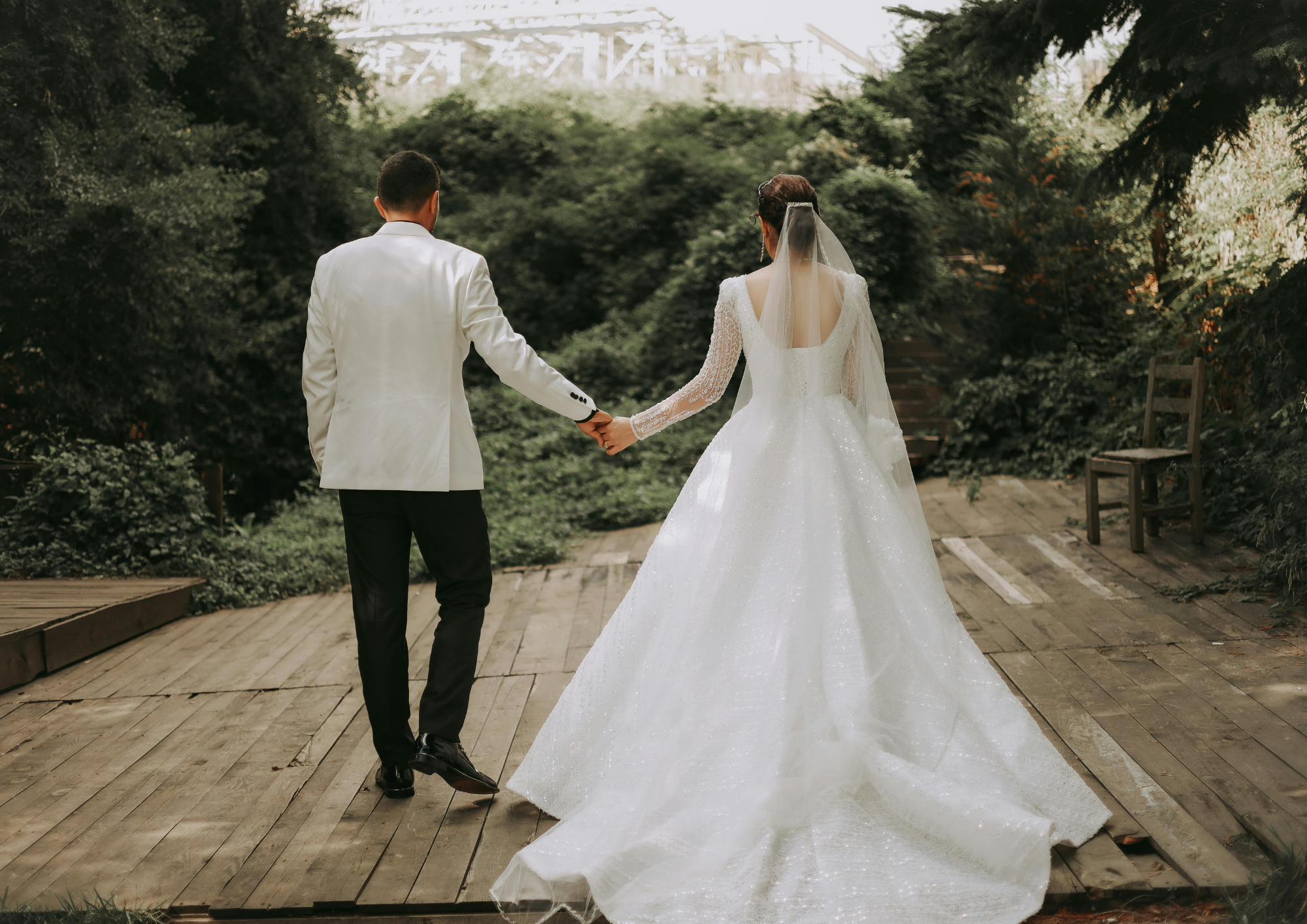
Bridal hair and makeup services work best when they are treated as part of the wedding’s operating plan, not as a last-minute finishing touch.
A beautiful result matters, but so do timing, communication, comfort, durability, and coordination. Hair and makeup affect the photography schedule, transportation, the ceremony start time, and the experience of everyone getting ready. A thoughtful plan helps the beauty team do its best work while allowing the wedding party to enjoy the morning without unnecessary pressure.
It is tempting to begin by collecting photographs of hairstyles and makeup looks. Inspiration is useful, but the first practical question is when everyone must be ready.
Work backward from the moment the bride needs to leave for photographs, a first look, or the ceremony. The process may require several hours when multiple attendants are receiving services. The Knot’s wedding beauty timeline guidance notes that the total schedule often depends on the size of the bridal party, the number of artists, and the required departure time.
The finished schedule should include more than service durations. Build in time for arrivals, artist setup, dressing, photography, touch-ups, and small delays. A fifteen-minute buffer can prevent one late start from affecting the rest of the day.
A useful initial inquiry gives the salon enough detail to estimate staffing, timing, travel, and cost. Before contacting a provider, gather:
Providing this information at the outset reduces back-and-forth communication and makes the initial proposal more accurate.
A bridal trial is not simply a preview. It is a structured test of appearance, comfort, technique, and durability. It gives the bride and stylist an opportunity to translate inspiration into a look suited to the bride’s features, hair characteristics, attire, and wedding environment.
Brides recommends planning beauty trials well before the wedding, particularly when major hair changes or a new makeup direction are being considered. The exact timing can vary, but the trial should occur early enough to make thoughtful adjustments without rushing.
Bring practical reference materials to the session:
Choose inspiration images featuring hair length, density, curl pattern, and skin tone reasonably similar to your own. A style photographed on very thick hair may require padding or extensions when recreated on fine hair. Recognizing that difference early allows the stylist to offer realistic options.
After the trial, photograph the look from the front, sides, and back in indoor and natural light. Wear it for several hours if possible. Pay attention to whether pins create discomfort, curls relax too quickly, the complexion becomes overly shiny, or eye products cause irritation.
The trial should end with a documented plan. Record the chosen style, accessories, product preferences, part placement, lip color, and any agreed changes. These notes help reduce uncertainty on the wedding morning.
A successful bridal look needs to complement more than the dress. It should function through movement, weather, photography, hugs, dancing, and possibly several changes of location.
Consider the following factors when choosing a style:
For an outdoor celebration, review the National Weather Service Event Ready Guide and monitor the local forecast as the date approaches. The goal is not to predict conditions months ahead, but to create sensible alternatives for heat, rain, wind, or severe weather.
Wedding preparation can encourage people to experiment with intensive treatments, new products, or frequent heat styling. Significant changes close to the event can introduce avoidable risk.
The American Academy of Dermatology advises limiting excessive heat and tension because both can contribute to breakage or hair damage. In the weeks before the wedding, use heat protection, avoid overly tight daily styles, and follow professional guidance about conditioning or trimming.
Makeup hygiene deserves equal attention. The U.S. Food and Drug Administration’s eye cosmetic safety guidance emphasizes clean applicators, avoiding shared cosmetics, and discontinuing products that cause irritation. Brides should tell their artist about allergies, sensitivities, contact lenses, or recent reactions before application begins.
Avoid introducing aggressive skin treatments or unfamiliar products immediately before the event. Consistency is generally more useful than an ambitious last-minute routine. Anyone experiencing persistent irritation, hair loss, or a scalp condition should consult an appropriate healthcare professional.
Neither option is automatically better. The right decision depends on logistics, group size, budget, and the desired atmosphere.
A salon provides professional lighting, chairs, mirrors, wash stations, and convenient access to tools and products. It may be the most efficient choice for a smaller party or a wedding located near the salon. The tradeoff is that transportation must be added to the timeline.
On-location service reduces movement for the wedding party, but the space must support the team. Ask the venue whether the room has enough electrical outlets, tables, chairs, ventilation, natural light, and space for artists to work without blocking photographers or attendants.
Travel charges, artist minimums, lodging requirements, parking, and early-start fees should be discussed before signing an agreement. These are operational costs, not hidden beauty details, and they can materially affect the final budget.
A professional proposal should make responsibilities clear. Review what is included, how many artists will attend, when services begin, what deposit is required, and how changes are handled.
Useful questions include:
Licensing and professional development also matter. The Kentucky Board of Cosmetology publishes salon licensing requirements, while the Professional Beauty Association provides continuing education resources for industry professionals. These resources help consumers understand that professional beauty service involves technical knowledge, sanitation practices, and ongoing education.
Style portfolios are important, but reliability is equally valuable. Look for clear communication, transparent policies, relevant experience, and examples of work on hair textures and features similar to those in the bridal party.
A List Salon offers natural, traditional, and glam bridal styling and makeup options, along with trials and both salon-based and on-location planning. Its published service information also addresses group minimums, travel, deposits, and extension rentals, giving couples useful details to consider before requesting a final quote.
Whatever provider is selected, confirm the final headcount and schedule in writing. Designate one person other than the bride to answer logistical questions, direct arriving attendants, and communicate with vendors on the wedding morning.
The strongest plan is simple enough to follow. Ask participants to arrive on time with hair and skin prepared according to the artists’ instructions. Keep the work area organized, provide water and light food, and limit unnecessary interruptions.
Place the dress, jewelry, shoes, fragrance, invitation suite, and other photography items in a separate area before beauty services begin. This allows the photographer to work without moving through the styling stations.
Finally, schedule the bride’s services so they are neither rushed at the end nor completed excessively early. The precise order should come from the beauty team because service complexity, artist availability, and photography plans all influence the sequence.
Wedding-day beauty succeeds when creative choices and practical planning support each other. An early inquiry, a purposeful trial, a realistic timeline, and clearly documented expectations give the salon team room to deliver polished work.
The result is not only a hairstyle or makeup application that photographs well. It is a calmer preparation period, fewer preventable surprises, and a bride who can move into the celebration feeling prepared, comfortable, and entirely herself.