Why Eye Health Belongs in Every Personal Performance Plan
An Optometrist helps people protect more than clear sight because comfortable, reliable vision supports learning, work, mobility, safety, and everyday independence.
People routinely maintain the equipment they depend on. Businesses update software, inspect machinery, and replace worn tools before a failure interrupts operations. Personal health deserves the same forward-looking approach, especially when vision is involved in nearly every task from reading financial reports to driving home after dark.
Eye care should not begin only when words become blurry. A practical vision plan combines periodic examinations, suitable correction, healthy screen habits, protective eyewear, and prompt attention to unexpected symptoms. Together, these measures can reduce avoidable disruption and help people perform comfortably through different stages of life.
Treat Vision as Essential Infrastructure
Clear sight is often taken for granted until a change begins interfering with work. Even a modest prescription shift can make detailed tasks more demanding. Headaches, squinting, fluctuating focus, glare, or difficulty seeing at night may also affect concentration and confidence.
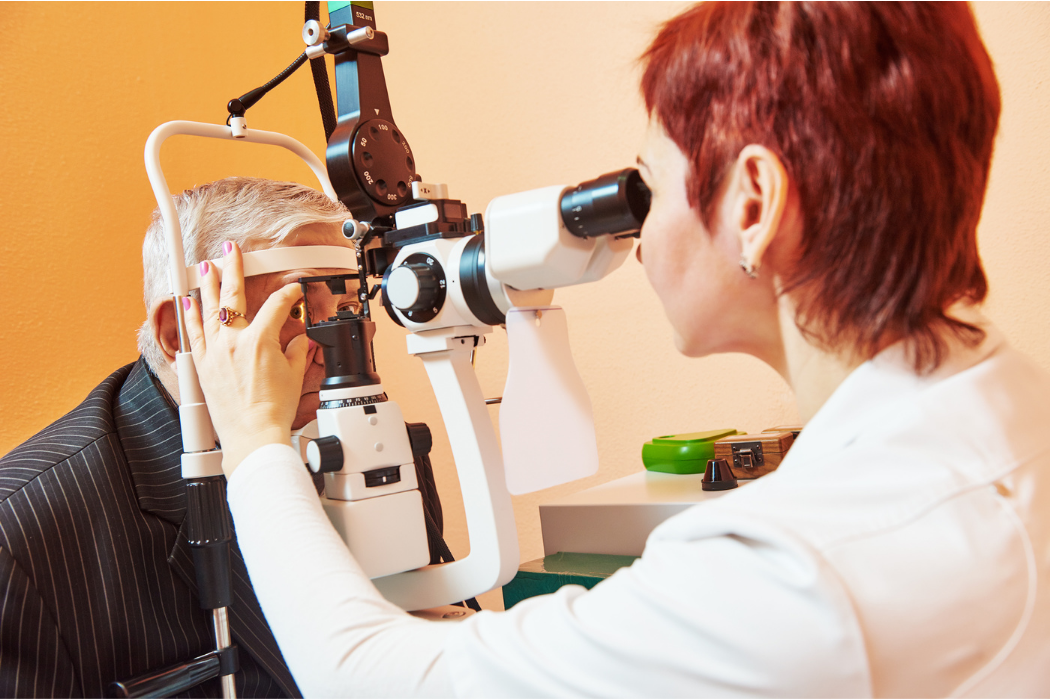
A comprehensive eye examination provides more information than a quick check of how well someone can read a chart. Depending on the patient’s needs, an eye doctor may evaluate visual acuity, focusing, eye coordination, peripheral vision, eye pressure, pupil response, and the health of internal eye structures.
The National Eye Institute explains that a dilated eye exam can reveal diseases before they cause noticeable vision loss. The appropriate examination schedule depends on age, health, family history, symptoms, and individual risk factors, so it should be discussed with an eye care professional rather than selected from a universal online timetable.
Prepare for an Eye Exam Like an Important Review
Good decisions depend on accurate information. Patients can make an examination more productive by arriving with relevant details instead of trying to recall everything during the visit.
Useful information includes:
- Current glasses, sunglasses, and contact lenses
- A list of prescription and nonprescription medications
- Personal conditions such as diabetes or high blood pressure
- A family history of glaucoma, macular degeneration, or other eye disease
- Previous eye injuries, infections, or surgeries
- Changes in driving, reading, screen comfort, or night vision
- The visual demands of work, hobbies, sports, and school
Be specific when describing symptoms. Explain when they occur, how long they last, whether one or both eyes are affected, and which activities make them better or worse. This context can help distinguish a prescription concern from a surface, focusing, coordination, or health issue that requires further evaluation.
Design a Better Screen-Work System
Digital work has made visual comfort a productivity issue. Long periods of close focusing can be associated with tired eyes, temporary blur, dryness, headaches, and neck or shoulder discomfort. Simply purchasing a new accessory does not necessarily address the cause.
The National Institute for Occupational Safety and Health recommends regular screen breaks and reducing glare in home work environments. The American Optometric Association also describes the 20-20-20 approach: after 20 minutes of screen use, look at something approximately 20 feet away for 20 seconds.
A practical workstation review should include:
- Screen position: Place the primary display directly in front of the user at a comfortable distance.
- Text size: Enlarge type rather than leaning forward or squinting.
- Lighting: Reduce reflections from windows and overhead fixtures.
- Blinking: Make a conscious effort to blink fully during concentrated work.
- Task rotation: Alternate screen work with phone calls, meetings, or distance-focused activities.
- Vision correction: Tell the eye doctor the actual distance between the eyes and the work screen.
Persistent discomfort deserves an examination. It should not automatically be blamed on blue light, aging, or a demanding week when an uncorrected prescription, dry eye, binocular vision issue, or another condition may be contributing.
Make Children’s Vision Part of the Learning Plan
Children do not always recognize or explain a vision problem. A child may assume everyone sees the same way or may adapt by avoiding visually demanding activities.
Possible signs that deserve attention include sitting unusually close to a screen, covering one eye, frequent squinting, losing a place while reading, headaches after near work, or avoiding activities that previously seemed enjoyable. These behaviors do not confirm an eye condition, but they provide useful information for a pediatrician or eye doctor.
The American Academy of Ophthalmology advises comprehensive evaluation when a child fails a vision screening, has concerning visual behavior, reports symptoms, or has relevant risk factors. Screening is valuable, but it has a different purpose from a complete eye examination.
Parents can support the process by recording teacher observations, bringing screening results, and explaining whether the concern appears during reading, sports, computer use, or distance viewing.
Connect Eye Care With Whole-Body Health
Eyes are not isolated from the rest of the body. A medical history involving diabetes, hypertension, autoimmune disease, or certain medications can change what the eye doctor needs to assess and how frequently monitoring may be appropriate.
Diabetes is a particularly important example. The Centers for Disease Control and Prevention notes that diabetes increases the risk of retinopathy, glaucoma, and cataracts. The agency emphasizes comprehensive care, including dilated eye examinations, because diabetes-related eye disease may progress without obvious early symptoms.
Patients should coordinate information across their healthcare team. Bring current medication details and relevant laboratory or blood-pressure information when requested. If an eye doctor recommends follow-up with a primary care physician or specialist, completing that referral is part of the plan rather than an optional extra step.
Select Vision Correction for the Work It Must Perform
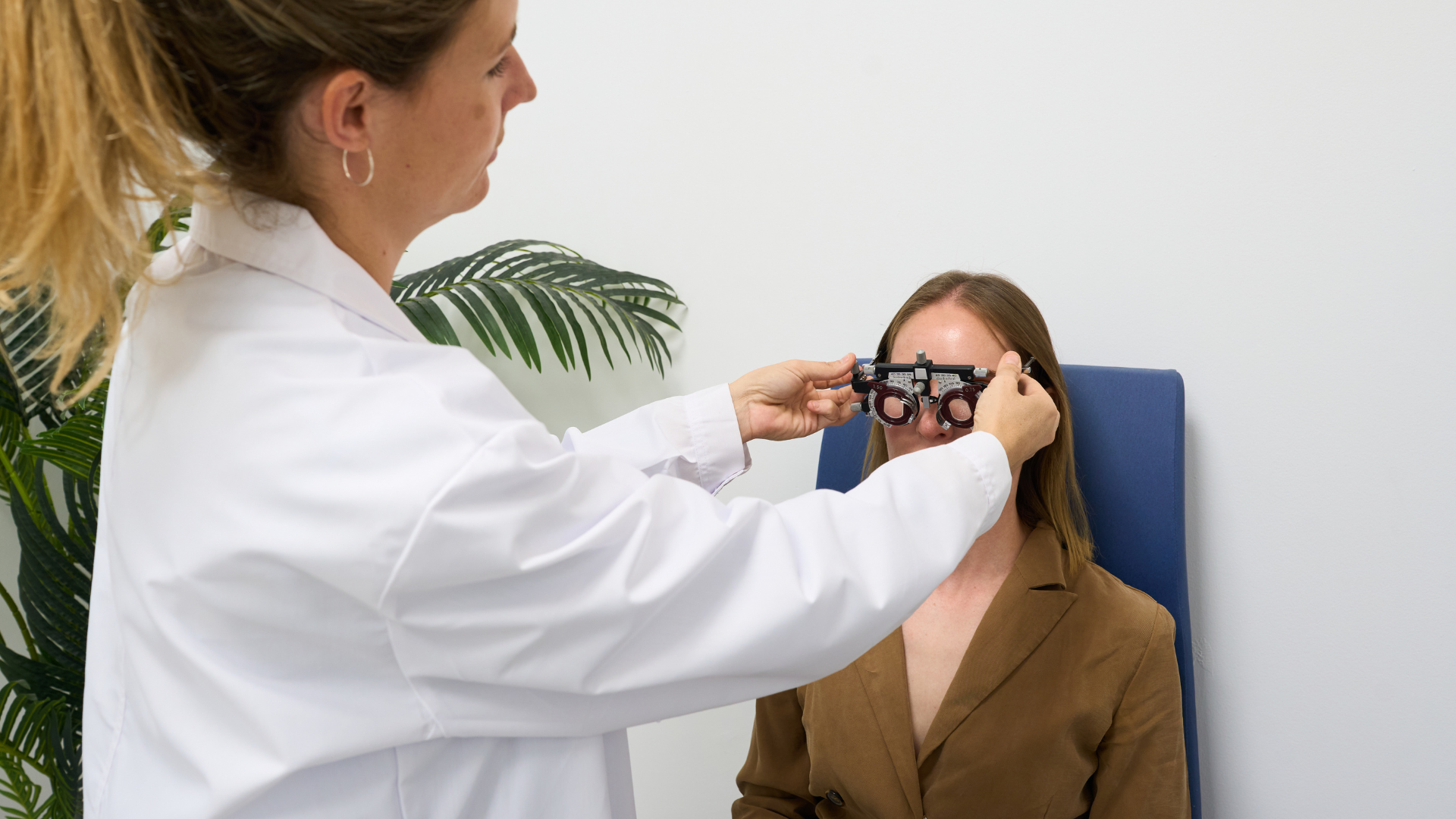
A prescription is only one part of successful vision correction. Frame fit, lens design, working distance, lighting, peripheral vision, and daily activities all influence whether glasses function well.
Someone who moves between a laptop, large monitor, and meeting room may have different needs from a driver, warehouse employee, student, technician, or outdoor worker. When choosing eyewear, describe the actual tasks rather than asking only which frame looks best.
Contact lenses offer another useful option, but they require consistent care. The CDC identifies contact lenses as medical devices and warns that improper wear, cleaning, or storage can increase infection risk. Wearers should follow the prescribed replacement schedule, wash and dry their hands before handling lenses, and keep lenses away from water. Backup glasses are also valuable when irritation, illness, travel, or a damaged lens makes contact wear impractical.
Control Preventable Environmental Risks
Visual performance also depends on protecting the eyes from hazards. Safety eyewear should match the activity, whether the risk involves chemicals, flying particles, dust, tools, yard work, or occupational exposure.
The CDC’s workplace eye-safety guidance recommends properly fitted protective eyewear with adequate coverage and peripheral vision. Ordinary prescription glasses are not automatically a substitute for task-appropriate safety equipment.
Outdoor protection matters as well. The National Eye Institute recommends sunglasses and a hat to reduce ultraviolet exposure. Look for sunglasses that provide appropriate UVA and UVB protection rather than judging protection by lens darkness alone.
Unexpected symptoms require a different response from routine maintenance. Sudden vision loss, a curtain-like shadow, new flashes or numerous floaters, severe eye pain, chemical exposure, or a penetrating injury should not wait for the next regular examination. Seek immediate professional guidance and avoid rubbing or pressing an injured eye.
How HD Eyecare Supports Family Vision Care
Located at 6000 Denton Highway, Suite 100 in Watauga, Texas, HD Eyecare provides eye care for children and adults in Watauga, Fort Worth, and nearby communities.
Its public service information lists comprehensive, pediatric, and diabetic eye examinations along with care for dry eye, allergies, conjunctivitis, computer-related vision concerns, and common eye diseases. Dr. Doan and the team also provide contact lens fittings, custom-frame assistance, urgent eye care, and co-management for patients whose treatment involves surgery.
This range allows a family to connect routine vision correction with ongoing eye-health monitoring. Patients can discuss how school, work, medical conditions, digital devices, driving, and lifestyle affect their individual needs instead of treating every eye examination as an identical transaction.
Texas residents who want to research professional credentials can use the Texas Optometry Board’s official license-verification service.
Build a Repeatable Vision-Care Routine
A sustainable plan does not need to be complicated. It should make important actions easy to remember and repeat.
- Ask how often examinations are appropriate. Base the schedule on personal risks and professional guidance.
- Record visual changes. Note problems with screens, driving, reading, glare, comfort, or depth perception.
- Review medical information. Keep medication lists and relevant health history current.
- Improve the workstation. Adjust lighting, text size, viewing distance, and break habits.
- Use correction as directed. Maintain glasses and follow contact lens care instructions.
- Match protection to the hazard. Use suitable eyewear for work, home projects, sports, and sunlight.
- Know the urgent warning signs. Have a plan for obtaining prompt help when vision changes suddenly.
Eye care is a form of personal risk management with immediate and long-term value. It supports the ability to learn, work accurately, travel safely, and remain independent. By combining professional examinations with thoughtful daily habits, people can make vision a maintained asset rather than a problem addressed only after it begins disrupting life.