The Business Case for Prioritizing Annual Eye Exams in Modern Healthcare
Preventive healthcare has become a central focus across industries, and vision care is no exception. As organizations and individuals place greater emphasis on long-term wellness and productivity, routine eye exams are increasingly recognized as a critical component of overall health management.
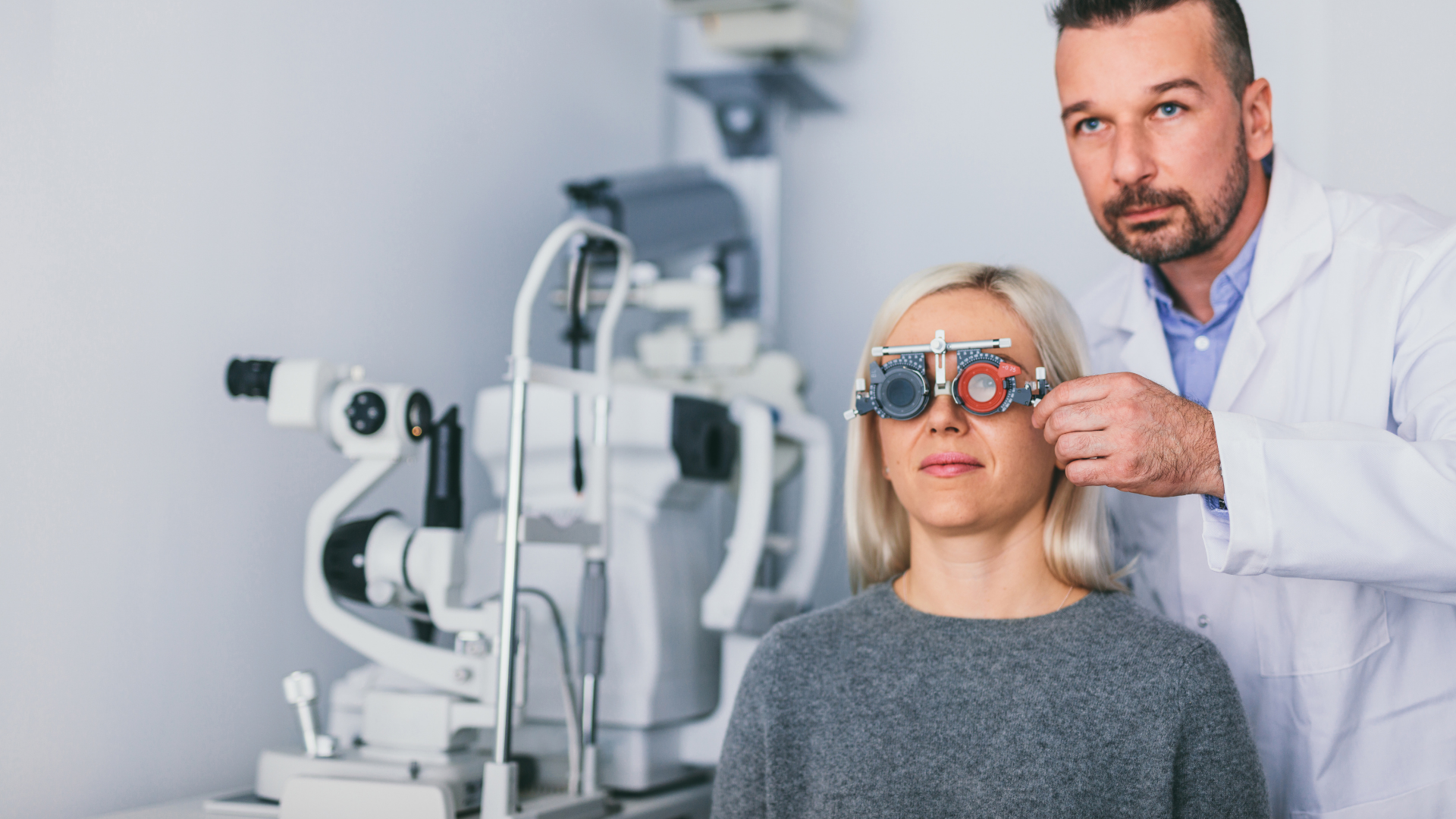
For those seeking annual eye exams in Concord, NC, the value extends far beyond updating a prescription. These evaluations support early detection, reduce long-term healthcare costs, and contribute to improved quality of life.
The Shift Toward Preventive Vision Care
Healthcare systems are evolving from reactive models to preventive strategies. Instead of addressing issues after symptoms appear, the focus is now on identifying risks early and implementing proactive solutions.
Annual eye exams align with this approach by providing regular monitoring of ocular health. Many vision-related conditions develop gradually, often without noticeable symptoms in the early stages.
By scheduling consistent evaluations, patients can detect potential issues before they become more complex and costly to treat.
Economic Impact of Early Detection
From a business and healthcare economics perspective, early detection plays a significant role in cost management. Treating advanced eye conditions often requires more extensive interventions, including specialized procedures and long-term care.
Routine eye exams help reduce these costs by identifying conditions at an earlier, more manageable stage. This not only benefits patients but also supports more efficient use of healthcare resources.
Studies referenced in eye examination research highlight the importance of regular screenings in minimizing long-term financial and health burdens.
Productivity and Workplace Performance
Clear vision is essential for productivity in both professional and personal environments. Employees who experience uncorrected vision problems may face challenges with focus, efficiency, and overall performance.
Annual eye exams ensure that prescriptions remain accurate and that any underlying issues are addressed promptly. This contributes to improved concentration, reduced eye strain, and enhanced work output.
Organizations that encourage routine eye care often see benefits in employee well-being and performance metrics.
Comprehensive Health Insights
Eye exams provide valuable insights into overall health. During a comprehensive evaluation, eye care professionals can detect signs of systemic conditions such as diabetes, hypertension, and neurological disorders.
This makes routine eye exams an important part of a broader healthcare strategy. Identifying these indicators early allows for timely medical intervention and improved outcomes.
The ability to assess both ocular and systemic health in a single appointment adds significant value to regular eye care.
Technological Advancements in Eye Care
Modern eye exams are supported by advanced diagnostic technologies that enhance accuracy and efficiency. Digital imaging, automated testing systems, and high-resolution scans provide detailed insights into eye health.
These tools enable clinicians to detect subtle changes that may not be visible through traditional methods. The result is more precise diagnoses and better-informed treatment plans.
Technology also improves the patient experience by streamlining the examination process and reducing appointment times.
Personalized Patient Care
Personalization is becoming a key trend across healthcare services, and eye care is no exception. Annual eye exams are tailored to individual needs based on factors such as age, lifestyle, and medical history.
This customized approach ensures that each patient receives relevant and effective care. Whether addressing vision correction or monitoring specific conditions, personalized evaluations lead to better outcomes.
Patients benefit from recommendations that align with their unique circumstances and long-term health goals.
The Role of Professional Expertise
While technology enhances the capabilities of eye exams, the expertise of the provider remains essential. Skilled professionals interpret diagnostic data, identify patterns, and develop appropriate care plans.
Working with a trusted provider such as Northpoint Eye Studio ensures that patients receive comprehensive evaluations supported by clinical experience and advanced tools.
This combination of expertise and innovation is critical for delivering high-quality vision care.
Addressing Barriers to Routine Eye Exams
Despite the benefits, some individuals delay eye exams due to time constraints or the absence of noticeable symptoms. However, many eye conditions develop silently, making regular evaluations essential.
Increasing awareness about the importance of preventive care is helping to overcome these barriers. Flexible scheduling and efficient exam processes also make it easier for patients to prioritize their eye health.
Encouraging routine eye exams as part of a standard healthcare routine can lead to better long-term outcomes.
Long Term Benefits of Consistent Eye Care
Maintaining a schedule of annual eye exams supports long-term vision health and overall well-being. Early detection, accurate diagnosis, and timely intervention all contribute to improved outcomes.
Patients who engage in consistent eye care are more likely to preserve their vision and avoid complications associated with untreated conditions.
This proactive approach aligns with broader trends in healthcare that emphasize sustainability and preventive strategies.
Conclusion
Annual eye exams are a vital component of modern healthcare, offering both clinical and economic benefits. They support early detection, enhance productivity, and provide valuable insights into overall health.
With advancements in technology and a growing emphasis on preventive care, routine eye exams have become more effective and accessible than ever before.
By prioritizing regular evaluations, individuals can protect their vision, improve their quality of life, and contribute to a more efficient healthcare system.