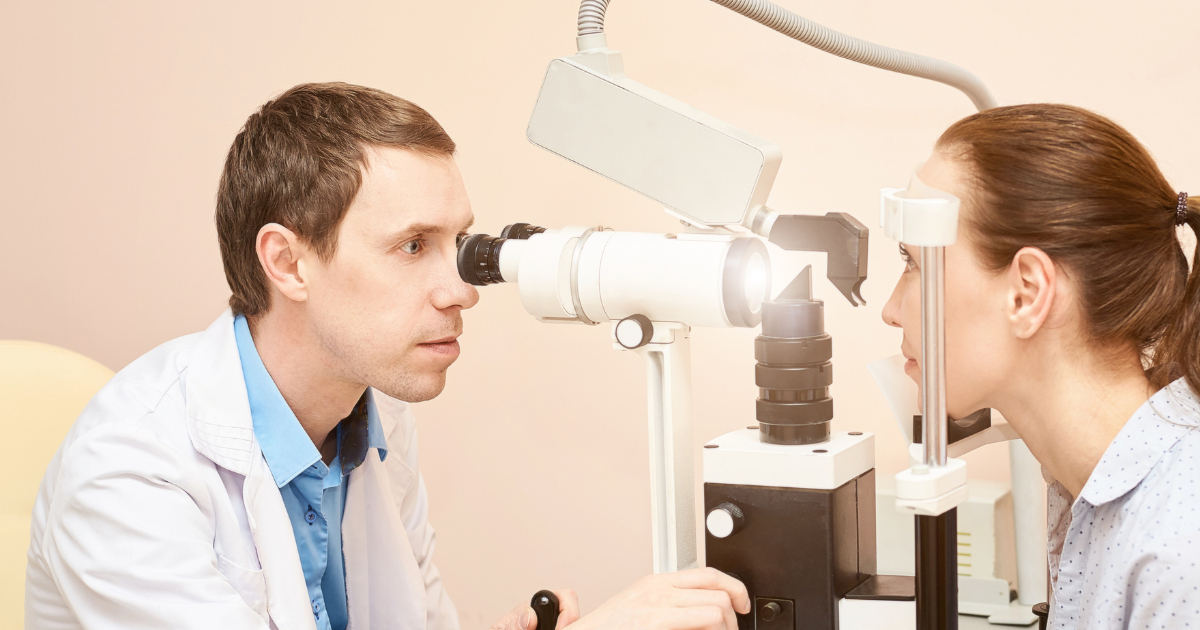
How to Turn an Eye Exam Into a Better Everyday Vision Plan
How to Turn an Eye Exam Into a Better Everyday Vision Plan Effective routine eye care becomes more useful when patients connect clinical testing with…

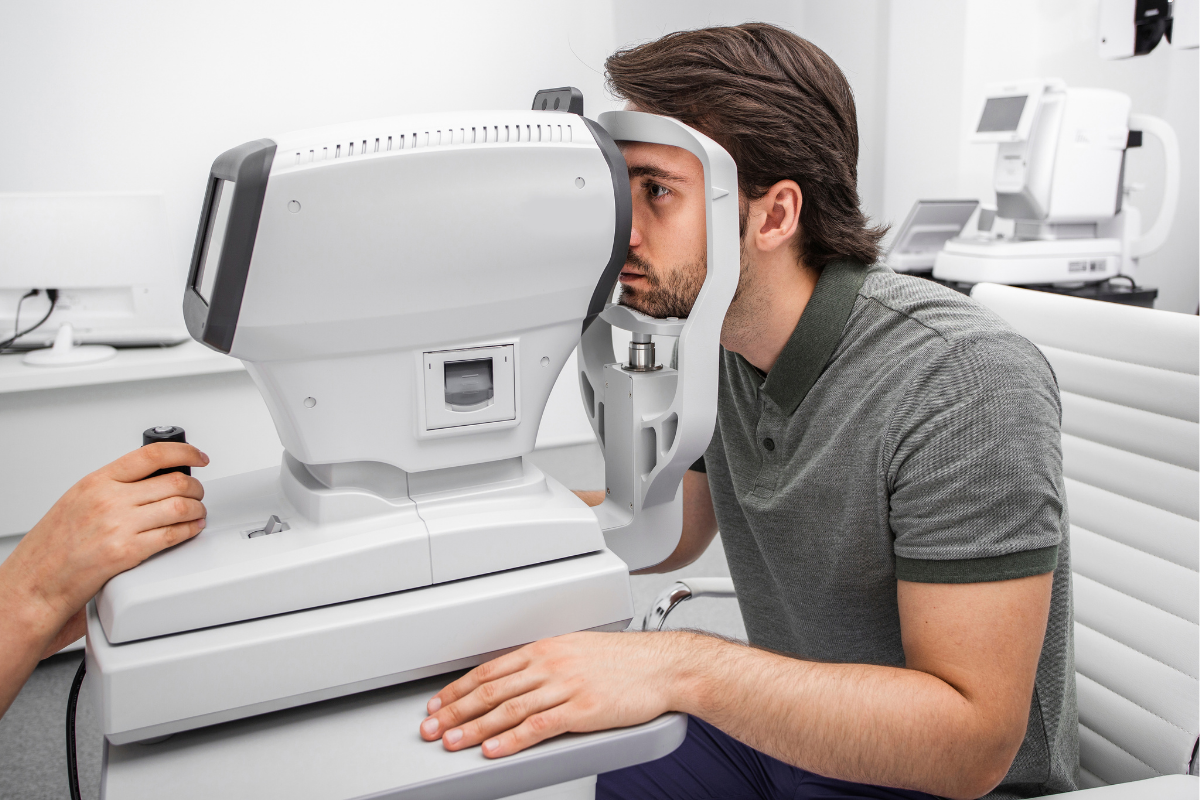
The Systemic eye disease services in Watauga, TX are becoming an increasingly important part of modern healthcare as research continues to show strong links between eye health and overall medical conditions. In today’s healthcare landscape, eye care is no longer viewed as an isolated service but as a critical component of comprehensive, preventive health management.
As healthcare systems evolve, integration and early detection have become strategic priorities. Vision care professionals are uniquely positioned to identify early signs of systemic disease because the eyes provide a direct view of blood vessels, nerves, and connective tissue.
From a business and operational standpoint, integrating systemic eye disease services into primary eye care improves outcomes, reduces long-term costs, and supports proactive patient management. This approach aligns with broader healthcare innovation trends that emphasize prevention over reactive treatment.
Systemic eye disease services focus on identifying ocular signs that may be linked to conditions affecting the entire body. Diseases such as diabetes, hypertension, autoimmune disorders, and neurological conditions often manifest early symptoms in the eyes.
Comprehensive eye exams that include advanced imaging, retinal evaluation, and optic nerve assessment allow eye care providers to detect subtle changes before patients experience noticeable symptoms.
From a healthcare management perspective, early detection is one of the most effective tools for improving patient outcomes. Identifying systemic disease indicators during routine eye exams enables earlier medical intervention and coordinated care.
This proactive approach reduces the likelihood of advanced complications, lowers healthcare costs, and supports better long-term quality of life. According to public health research, early detection of vision-related complications significantly improves treatment success for chronic conditions.
Advances in diagnostic technology have transformed the scope of eye care services. Tools such as optical coherence tomography (OCT), digital retinal imaging, and automated visual field testing provide detailed data that supports evidence-based decision-making.
These technologies allow eye care professionals to monitor disease progression over time, compare historical data, and collaborate more effectively with primary care physicians and specialists.
Chronic disease management requires ongoing monitoring and interdisciplinary coordination. Eye care providers play a vital role by offering consistent evaluations that can reveal changes related to systemic health.
For patients with diabetes or hypertension, regular eye exams are often one of the most reliable ways to assess disease impact and treatment effectiveness. This makes systemic eye disease services a valuable component of long-term care strategies.
Vision health directly affects workplace productivity, safety, and performance. Unmanaged systemic conditions can lead to visual impairment, fatigue, and reduced concentration, all of which impact employee effectiveness.
From a business perspective, encouraging preventive eye care supports a healthier workforce and reduces absenteeism. Employers increasingly recognize vision care as a strategic investment in employee well-being.
Education is essential to successful healthcare outcomes. Patients who understand the connection between eye health and systemic disease are more likely to follow care recommendations and seek timely medical attention.
Effective systemic eye disease services include clear communication about findings, risks, and next steps. This transparency builds trust and encourages collaborative care between patients and healthcare providers.
Not all eye exams are designed to detect systemic disease indicators. Specialized training, advanced equipment, and a comprehensive approach are required to identify subtle clinical signs accurately.
HD Eyecare provides services that emphasize precision, early detection, and coordination with broader healthcare networks. Their approach reflects a growing recognition that eye care is an integral part of whole-body health management.
Modern healthcare innovation depends on collaboration. Eye care providers often work alongside primary care physicians, endocrinologists, neurologists, and cardiologists to ensure patients receive comprehensive care.
This interdisciplinary approach improves diagnostic accuracy and ensures that systemic conditions are addressed efficiently. According to healthcare research, coordinated preventive care leads to better outcomes and reduced long-term costs.
Longitudinal data plays a critical role in managing systemic disease. Regular eye exams create a valuable clinical record that helps providers track changes over time and identify emerging risks.
This data-driven approach supports informed decision-making and allows care plans to be adjusted proactively rather than reactively.
Access to systemic eye disease services at the community level strengthens public health outcomes. Local availability reduces barriers to care and encourages routine monitoring, particularly for high-risk populations.
By offering comprehensive services within the community, eye care practices contribute to earlier diagnoses and more effective disease management.
Systemic eye disease services represent a significant advancement in preventive healthcare. By identifying early signs of chronic conditions, supporting interdisciplinary collaboration, and leveraging advanced diagnostics, these services deliver value far beyond vision correction.
For individuals seeking systemic eye disease services in Watauga, TX, choosing a provider that prioritizes early detection and integrated care supports better health outcomes and long-term wellness. As healthcare continues to evolve, eye care remains a critical and strategic component of comprehensive health management.